


- Offering a free VPN plan can attract users, but paid or trial-limited models drive higher revenue and long-term sustainability.
- The PureVPN reseller program allows resellers to sell subscriptions without managing infrastructure, apps, or customer support.
- Paid or trial-based tiers ensure steady recurring revenue, better user quality, and improved retention metrics.
- Mobile devices now account for over 60% of VPN usage, highlighting the importance of supporting Android and iOS in reseller programs.
- Clear value differentiation between free and paid offerings helps justify pricing, encourages upgrades, and maintains service credibility.
Starting a VPN reseller operation often begins with fundamental strategic choices that shape the future of your business. Among the first is deciding whether to offer a free plan or remain strictly paid, a decision that influences how you attract users, establish credibility, and generate sustainable revenue.
This choice impacts trust, conversion rates, and the long-term profitability of your operations. For those exploring a VPN reseller program, the challenge extends beyond simply gaining customers, it is about maintaining service value, managing resources effectively, and building a business model that can scale efficiently.
This blog examines both sides of the free-versus-paid decision and provides a clear framework to guide your strategy.
What Makes a Free Plan Tempting for Resellers?
A free plan seems like a simple mechanism to attract attention. For many potential users, especially new to VPNs, a zero-cost entry lowers the barrier to test services. For resellers, free tiers promise a wider reach, faster growth in sign-ups, and potentially more opportunities for upgrades or referrals.
In markets with high mobile penetration, a free plan may drive adoption, especially within a Vpn reseller program for android. Mobile-first users often hesitate to pay until they experience value. A free tier satisfies that initial hesitation while giving them a risk‑free way to explore VPN benefits.
Globally, VPN adoption has surged: by 2025, more than 1.75 billion people reportedly use VPNs. Over 60 percent of consumer VPN usage is now attributed to mobile devices, showing the growing dominance of smartphones and tablets over desktops.
Risks and Challenges When Offering a Free VPN Plan
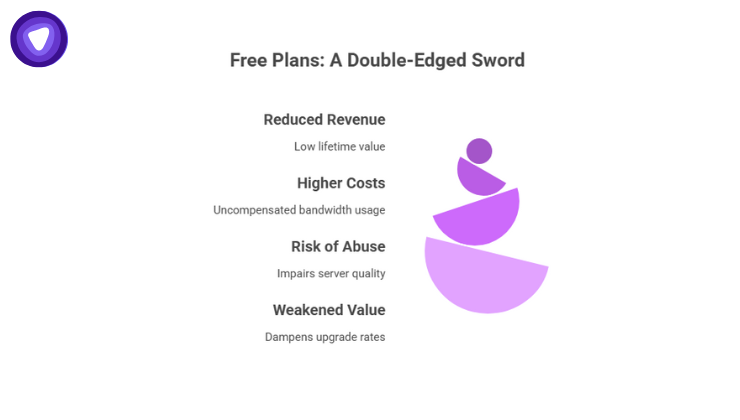
Even though free plans may attract many users, they bring real challenges that can erode profitability and degrade service quality.
Reduced Revenue Per User
Users on free plans rarely convert to paid subscriptions. If a large share of your user base remains free, the lifetime value per customer can remain low. That weakens long-term revenue streams and makes it harder to sustain quality infrastructure or support teams.
Higher Infrastructure and Support Costs
Every free user consumes bandwidth, potentially uses support, and adds to server load. If many of them never convert, you bear the cost without compensation. That situation often undermines overall margins, especially if servers cost scale with usage.
Risk of Abuse, Fraud, or Low-Value Usage
Free accounts tend to attract users who only need temporary access or intend to use VPNs for minimal, often transient tasks. Some may even misuse the VPN for illicit or questionable activities. This behavior can impair server quality and degrade performance for legitimate, paying users.
Weakened Perceived Value
When a service offers a free tier, some users and potential paying customers, may perceive the overall service as lower value. That perception can dampen upgrade rates and hamper retention.
When Offering a Free Plan May Make Sense
Under certain conditions, a free plan can serve as a powerful growth tool for a reseller.
| Condition / Goal | Why a Free Plan Makes Sense |
| The target audience is price‑sensitive (e.g., emerging markets, mobile-first users) | A free plan reduces financial barrier and encourages trial, especially on Android devices under “Vpn reseller program for android.” |
| The infrastructure supports scalable growth with low marginal cost per additional user | If your server and bandwidth costs do not increase proportionally with users, free users impose minimal incremental cost. |
| The user journey includes clear upgrade triggers (speed limits, limited server access, device caps) | Users testing free services may convert when they need better speed, more servers, or additional devices boosting paid conversions. |
| The primary goal is user acquisition or building an audience base, not immediate profit | Free tier acts as top-of-funnel lead generation; later monetization comes via upselling or referrals. |
When these conditions align, a free plan becomes less a liability and more a strategic investment in growth.
Why Many Top VPN Reseller Models Rely on Paid-Only Tiers or Trial-Limited Offers
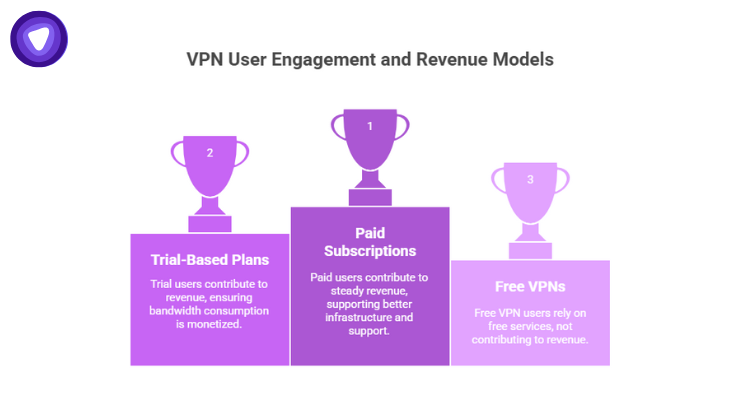
Leading operators of what people consider the best vpn reseller program models frequently avoid offering permanent free plans. Instead, they employ time-bound free trials or limited-feature trials. This is a conscious strategy rooted in maximizing balance between value and profitability.
Focus on Sustainable Recurring Revenue
Paid-only or trial-based plans ensure that every user consuming bandwidth contributes to revenue. That steadier income supports better infrastructure, faster servers, and higher-quality support. In fact, 64 percent of VPN users worldwide have paid subscriptions, while only 30 percent rely on free VPNs.
Higher Overall User Quality
Paid users are more likely to use the service responsibly, with serious intent. They are also more likely to stay long-term, leading to better retention metrics and predictable revenue.
Clear Value Differentiation
By restricting free access or trials, the paid offering remains clearly superior often with faster speeds, more server locations, and reliable support. That differentiation helps justify the cost and encourages upgrades.
Common Mistakes When Implementing a Free VPN Plan
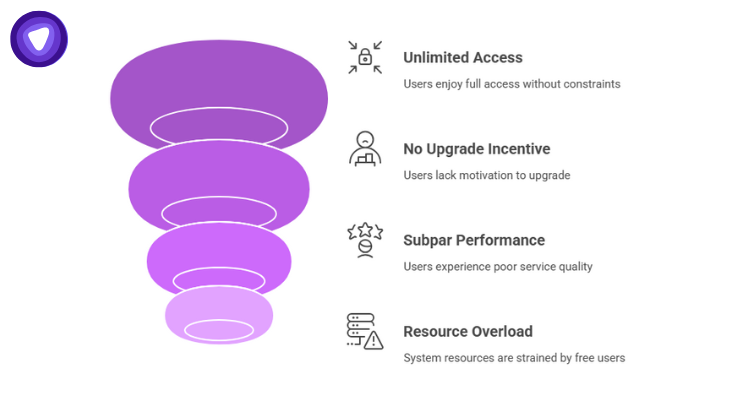
Free-tier failures often follow predictable patterns. These mistakes can undermine conversion potential and harm a reseller’s reputation.
- Unlimited Free Access With No Constraints: If free users get access to full bandwidth, all servers, multiple devices, and unlimited data, they have little reason to upgrade.
- No Structured Upgrade Path or Incentive: Without clear limitations and value propositions on premium tiers (e.g., speed, server variety, support), free users may remain indefinitely free.
- Subpar Performance or Limited Servers on Free Tier: Poor experience leads to bad first impressions, reducing the chance of conversion.
- No Resource Management: High server load, bandwidth spikes, or support overload caused by free users can degrade service quality overall, increasing churn even among paying users.
Reseller programs that implement free plans without these safeguards risk building a large but low-quality user base and saddling themselves with unsustainable costs.
Deciding Whether a Free Plan Fits Your VPN Reseller Program: A Checklist
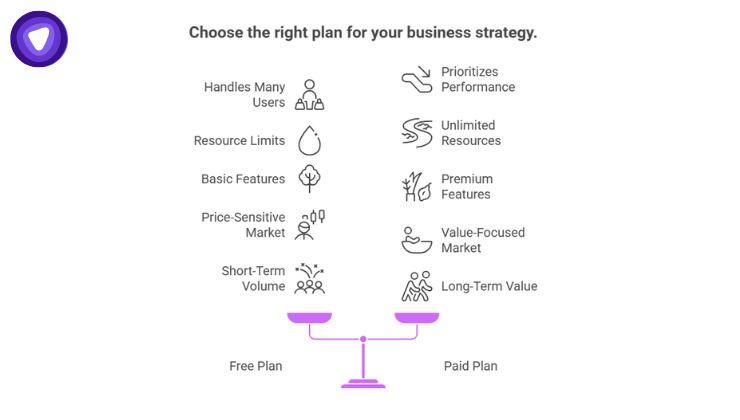
If you can answer yes to most of these, a free plan might be strategically sound. If not, a trial-based or paid-only model is likely more sustainable.
- Can your infrastructure handle many free users without degrading performance for paid users?
- Do you have mechanisms to limit resource use for free accounts (e.g., bandwidth caps, limited server access, limited devices)?
- Do you have a compelling premium offering that adds real value over free such as fast servers, global coverage, multi-device support, or dedicated IPs?
- Is your target market price-sensitive or focused on trying services before committing e.g., mobile-first users, users new to VPNs, or users in developing regions?
- Are you aiming for long-term, high-value customers rather than short-term volume?
Recommendations for Most Resellers
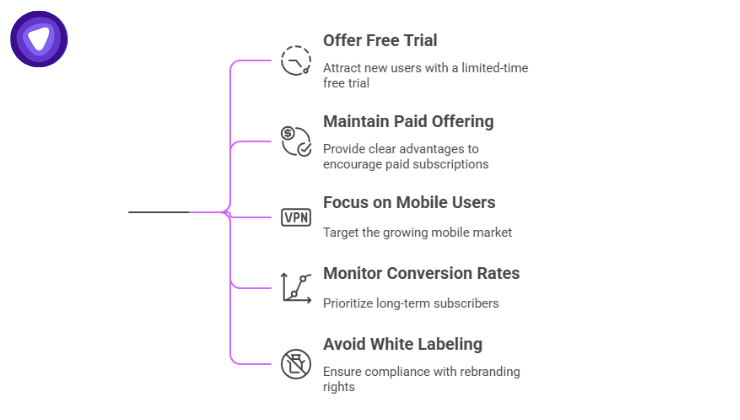
Based on the analysis above, the majority of resellers will find the most balanced path in this approach:
- Offer a limited-time free trial rather than a permanent free plan
- Keep the main offering paid, with clear, defined advantages: better speed, full server access, device limits lifted, support, etc.
- Focus on mobile users (using “Vpn reseller program for android” as a selling point), but ensure infrastructure can handle load
- Monitor conversion rates, prioritize long-term subscribers, not just sign-ups
- Avoid referring to a “white label VPN reseller” unless you have explicit rebranding rights
This strategy preserves value, protects user experience, and builds a sustainable business rather than chasing volume alone.
Where the PureVPN Reseller Program Fits
The PureVPN Reseller Program helps entrepreneurs and businesses start earning immediately without managing servers, apps, or customer support. Resellers gain access to a fully operational VPN service that works across Windows, macOS, iOS, and Android, making it easy to reach both desktop and mobile users.
This lets resellers focus on marketing, driving conversions, and building recurring revenue instead of technical infrastructure.
With the program, resellers earn commissions on every subscription sold while benefiting from scalable infrastructure and reliable service. Marketing materials, tutorials, and analytics support better user acquisition and conversion strategies.
Final Thoughts
Choosing how to run your VPN reseller program is a strategic decision that shapes growth potential, profitability, and user quality. Offering a free plan can make sense under the right conditions, particularly when targeting mobile-first, cost-conscious users but only if supported by strong infrastructure, clear upgrade incentives, and realistic conversion expectations.
For most resellers, a trial-based entry with paid core offerings yields the most balanced and sustainable outcome.