

Launching a VPN today is not about proving technical feasibility. That part is solved.
The real risk sits in the launch model itself: delayed timelines, hidden infrastructure costs, and limited control once the product is live. Buyers at this stage are not evaluating encryption standards. They are evaluating how quickly they can launch, how cleanly they can scale, and how much operational risk they are taking on from day one.
This guide breaks down a practical path to launching a white label VPN built for speed, ownership, and predictable growth.
The Practical Framework for Launching a White Label VPN
A successful launch follows a clear sequence. Each step removes uncertainty, reduces operational drag, and sets the foundation for long-term margins.
Step 1: Lock Your Commercial Positioning
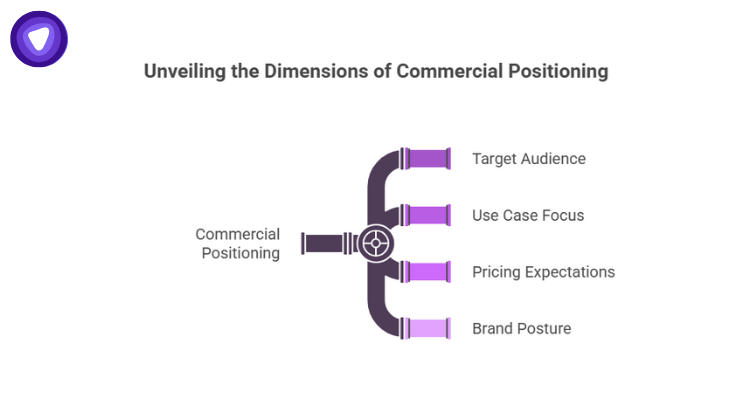
Before infrastructure, apps, or pricing tables, the first decision is commercial. You need to define who the VPN is for, how it is positioned, and what problem it is explicitly solving. This includes your target audience, use case focus, pricing expectations, and brand posture.
This step is critical because VPN churn remains high across the industry. According to Statista, global VPN usage exceeded 1.6 billion users in 2023, but retention dropped sharply for undifferentiated services. Clear positioning reduces early churn and simplifies onboarding.
At this stage, white label VPNs outperform reseller models because they allow full control over pricing, branding, and packaging. Solutions like PureVPN White Label VPN Solution support this by allowing partners to define pricing tiers and business rules without being locked into fixed reseller margins.
Step 2: Go With a Ready-to-Use Platform
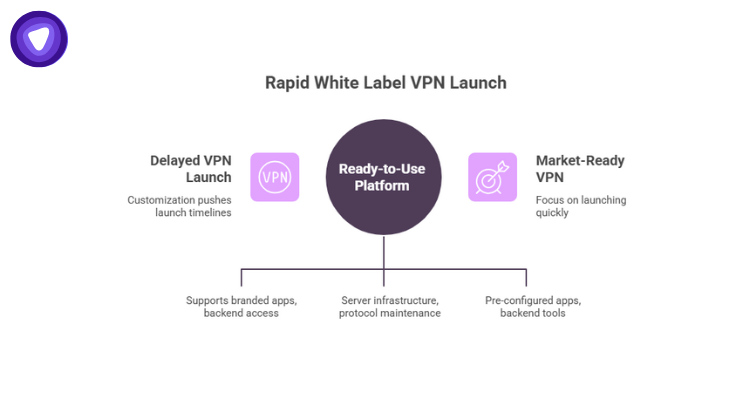
The most common delay in launching a white label VPN comes from choosing providers that require customization after onboarding. This pushes launch timelines into weeks or months.
Execution here means selecting a platform that already supports branded apps, backend access, and operational workflows. A provider should handle server infrastructure, protocol maintenance, and security updates without ongoing intervention from your team.
PureVPN White Label VPN Solution is built for immediate deployment, providing pre-configured apps and backend tools so your VPN is market-ready from day one, eliminating setup delays and letting you focus on launching quickly.
Read more on key considerations to make before choosing a White Label VPN Solution.
Step 3: Brand and Configure Apps Instantly
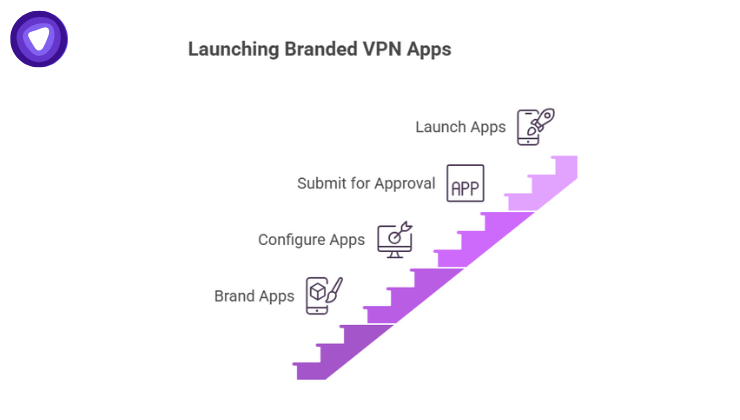
Once onboarded, branding and app configuration should be the only customization required. This includes logos, color systems, app names, and storefront presentation across platforms.
From an execution standpoint, this step determines how quickly your VPN becomes customer-ready. App store approval timelines depend heavily on polish and consistency. Apple’s App Store Review Guidelines continue to reject VPN apps that lack proper documentation, stability, or UX clarity.
PureVPN’s white label offering supports branded apps across iOS, Android, Windows, macOS, and Linux, allowing businesses to launch simultaneously instead of staggering releases. This shortens time-to-revenue and improves brand credibility at launch.
Step 4: Launch Across All Platforms
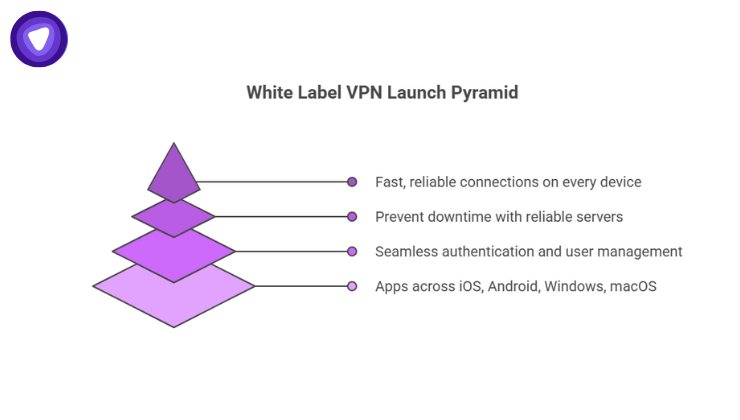
Launching a white label VPN is not just about availability; it is about accessibility, ensuring users can connect immediately across devices:
- Deploy apps across all major platforms, including iOS, Android, Windows, and macOS.
- Maintain backend consistency for seamless authentication and user management.
- Ensure server availability and session stability to prevent downtime.
- Optimize performance so users experience fast, reliable connections on every device.
With PureVPN White Label VPN Solution, platform deployment is handled as part of the launch flow, eliminating the need for separate development or QA cycles for each operating system.
Step 5: Set Scalable Pricing and Billing
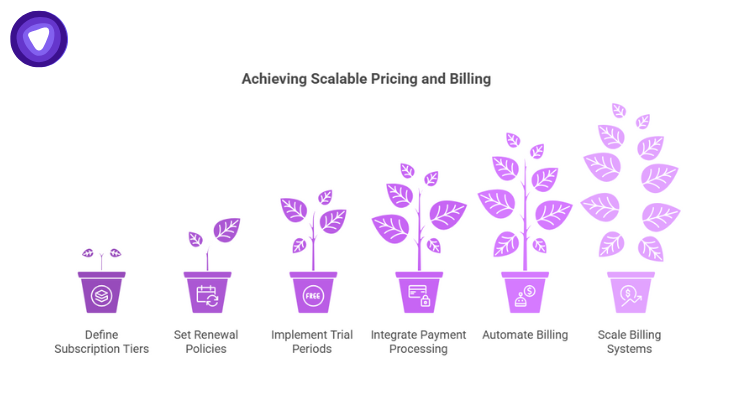
Pricing and billing are the systems that drive revenue and growth. This step involves defining subscription tiers, renewal policies, trial periods, and payment processing. A scalable setup ensures that as customer volume increases, billing remains automated, accurate, and frictionless.
PureVPN supports billing APIs that allow businesses to automate subscriptions and integrate with existing payment systems, keeping overhead low while scaling customer volume.
Step 6: Operate, Support, and Scale
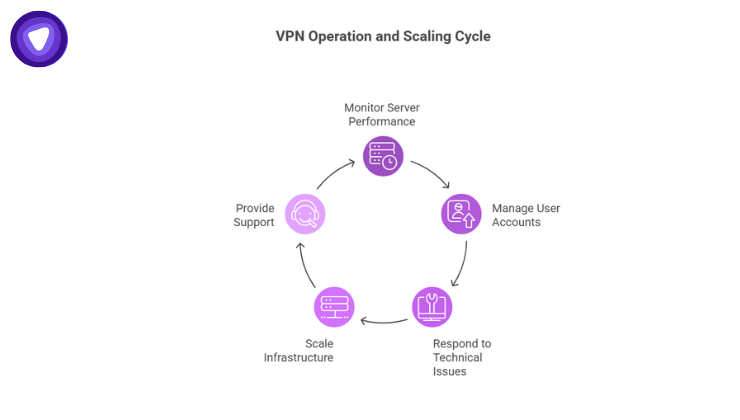
Once your VPN is live, smooth operation and reliable support are critical to retaining customers and handling growth. This step involves monitoring server performance, managing user accounts, and responding to technical issues quickly. Scalability is key, your system should handle more users and traffic without requiring a rebuild or major infrastructure changes.
PureVPN White Label VPN Solution supports this by providing a centralized admin console, automated user management, 24/7 technical support, and backend infrastructure that scales as your customer base grows, ensuring you can operate efficiently and expand without disruption.
Step 7: Protect Long-Term Control
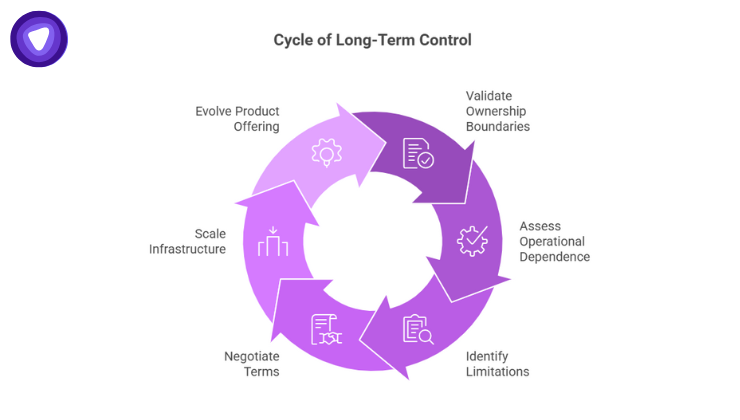
Launching is only half the decision. The real risk shows up six to twelve months later, when customer volume grows and operational dependence becomes visible. At that point, limitations around data access, migration flexibility, or pricing control can quietly lock you into a provider you did not intend to stay with.
Execution here means validating ownership boundaries early. This includes who controls customer data, whether you can adjust pricing without renegotiation, how easily you can scale server capacity, and what happens if you need to evolve the product offering.
This is where white label platforms built for long-term partnerships differ from short-term reseller setups.
PureVPN White Label VPN Solution is structured to support scaling without renegotiating core terms, allowing businesses to retain operational control as usage, revenue, and infrastructure demands increase.
Read more on the fastest way to launch your own VPN proiduct.
White Label VPN Launch Comparison
The table below highlights the key differences between building a VPN in-house and using a ready-to-launch white label platform, showing how a solution like PureVPN White Label VPN accelerates deployment while reducing operational complexity.
| Launch Area | Build In-House | PureVPN White Label VPN Solution |
| Time to Market | 6–12 months | Days to weeks |
| App Development | Required | Included |
| Infrastructure Costs | High, ongoing | Included |
| Billing Automation | Custom build | API-based |
| Platform Coverage | Staggered | All major OS |
| Operational Support | In-house team | 24/7 technical support |
Final Thoughts
Launching a white label VPN is no longer about technical capability. It is about reducing risk, accelerating launch, and protecting margins from day one. Providers that offer partial control or reseller constraints limit growth once traction begins.
For businesses ready to launch without experimentation, PureVPN White Label VPN Solution offers a direct path to market with full brand ownership, operational stability, and predictable scaling.