


What actually breaks when a white label VPN is added to an existing business infrastructure?
For most businesses, the answer is not encryption or server coverage. It is integration.
VPN services touch network routing, user access, billing, support, and brand experience all at once. If those connections are weak, the VPN becomes an operational liability instead of a revenue layer. Decision makers evaluating white label VPN options at this stage are looking for a service that fits into what already exists without forcing process changes or hidden overhead.
What Integration Means in Practice
Integration is about how a white label VPN connects with existing network architecture, user management, billing systems, support workflows, and scaling requirements without disrupting how the business already operates.
- Network Infrastructure Fit
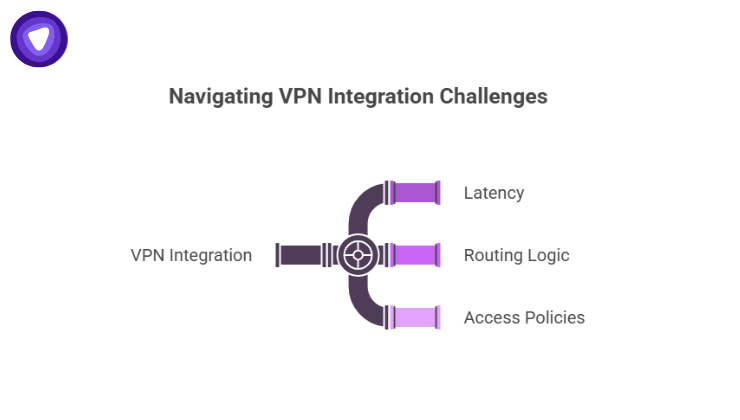
Any white label VPN must operate within an existing network environment that already has defined routing rules, access boundaries, and performance expectations. Integration issues arise when VPN traffic introduces unpredictable latency, forces new routing logic, or conflicts with internal access policies.
Businesses need to understand how VPN servers, traffic flow, and access points will coexist with their current infrastructure without creating operational risk.
1.User Provisioning and Access Control
White Label VPN Business Integration: Add VPN to Your StackWhite Label VPN Business Integration: Add VPN to Your Stack
User management is already standardized in most organizations, whether for customers, employees, or partners. A white label VPN should integrate into these existing workflows so that access can be granted and revoked using the same logic applied to other services.
When VPN access exists outside established user management systems, delays and inconsistencies appear during onboarding and offboarding.
2.Branding Within the Product Experience
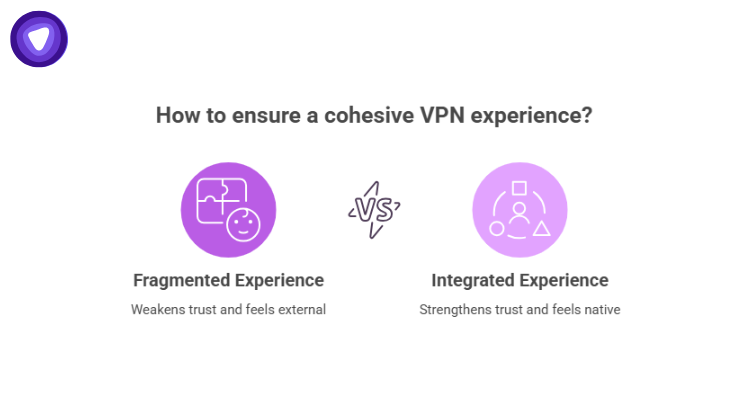
From an integration perspective, branding is not cosmetic. If a VPN application feels external or inconsistent with the rest of the product ecosystem, customers notice. This creates a fragmented experience that weakens trust and makes the VPN feel like an add-on rather than a native service.
3.Billing and Revenue Integration
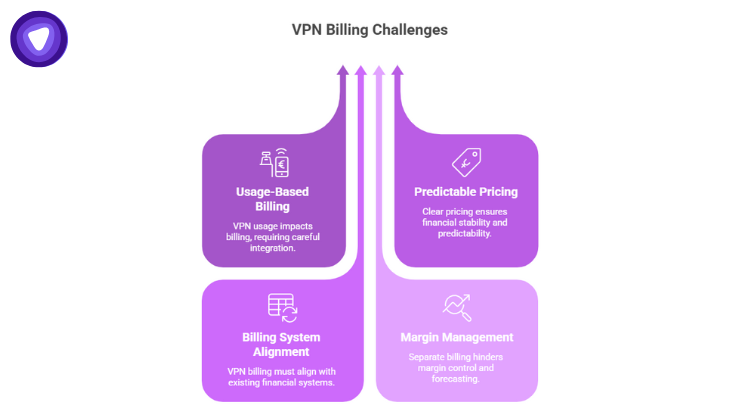
VPN services introduce usage-based variables that can complicate billing if not integrated properly. Businesses need clear visibility into usage, predictable pricing structures, and alignment with existing billing systems. When VPN billing operates separately, finance teams lose control over margins and forecasting accuracy.
4.Support Operations Alignment
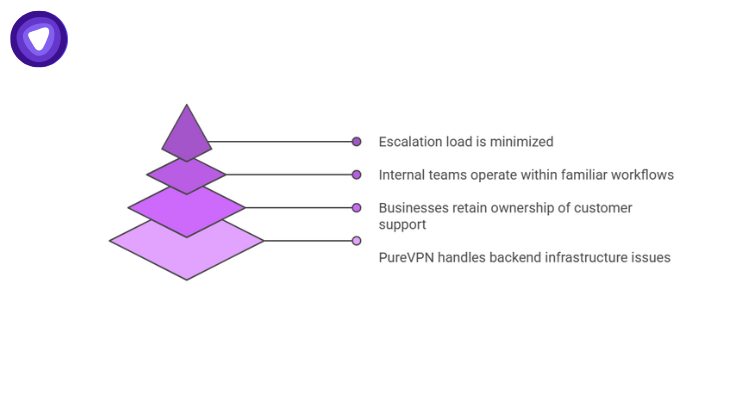
Support integration is often overlooked until after launch. When VPN issues arise, businesses must understand who owns the resolution and how escalations are handled.
Without clear separation, internal teams end up troubleshooting infrastructure they do not control, increasing response times and support costs.
5.Scalability Within Existing Systems
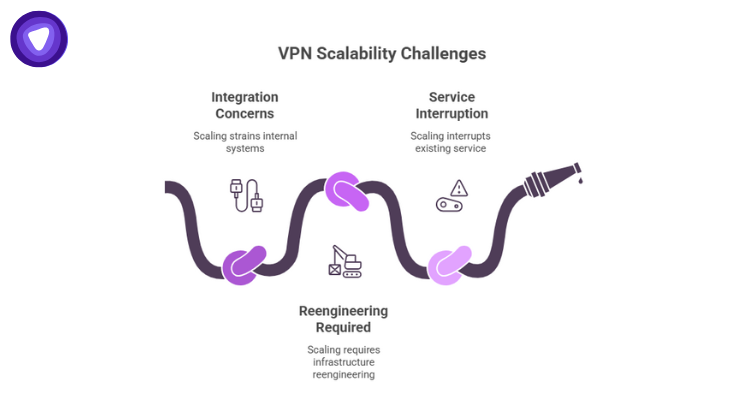
Scalability is an integration concern, not a growth phase problem. As user volumes increase and geographic reach expands, VPN services that were loosely integrated begin to strain internal systems. Businesses need confidence that scaling the VPN will not require reengineering infrastructure or interrupting service.
6.Deployment and Operational Readiness
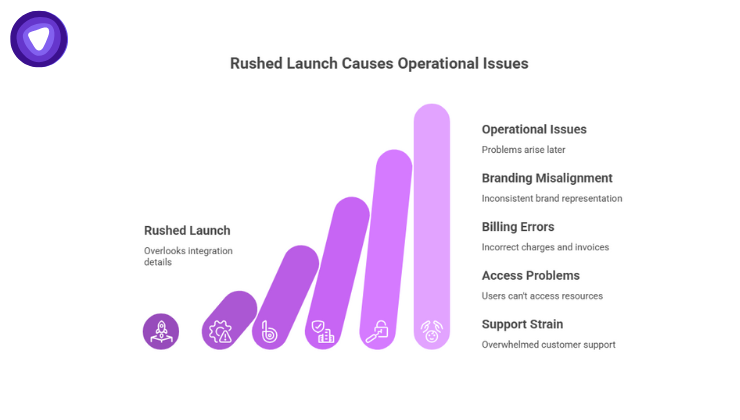
Deployment speed matters, but integration readiness matters more. A rushed launch that overlooks integration details often leads to operational issues later. Businesses need a deployment process that balances speed with alignment to branding, billing, access control, and support structures.
PureVPN White Label VPN Solution offers a structured deployment with API and SDK access, pre-configured Dedicated Servers, Dedicated IPs, and fully branded clients. Standard deployments enable fast launch, while advanced setups allow deep customization of user provisioning, access control, and billing integration.
Final Thoughts
Integrating a white label VPN is a decision about control, not capability. The right solution fits into existing infrastructure, supports established workflows, and scales without increasing operational complexity.
Businesses evaluating options at this stage are not comparing features in isolation, but assessing how cleanly a VPN integrates across network architecture, access control, branding, billing, and support. PureVPN White Label VPN Solution is designed to meet those integration requirements without forcing businesses to adapt their operations around the VPN.