


A slow connection, a security breach, or a confusing app can turn your brand into yesterday’s news before your first invoice is paid. For companies launching a white label VPN, the platform you choose determines whether your product scales smoothly or collapses under its own growth.
This comparison focuses on what truly matters when evaluating a white label VPN that will carry your brand: infrastructure reliability, built-in security, deep branding control, user management, and monetization flexibility.
How Buyers Evaluate White Label VPN Platforms
When comparing white label VPN platforms, buyers focus on durability: whether the platform scales without extra work, maintains consistent security, and keeps branding and monetization under control.
Infrastructure, administration, and backend ownership determine how reliably the VPN performs as the business grows.
1.Infrastructure Stability
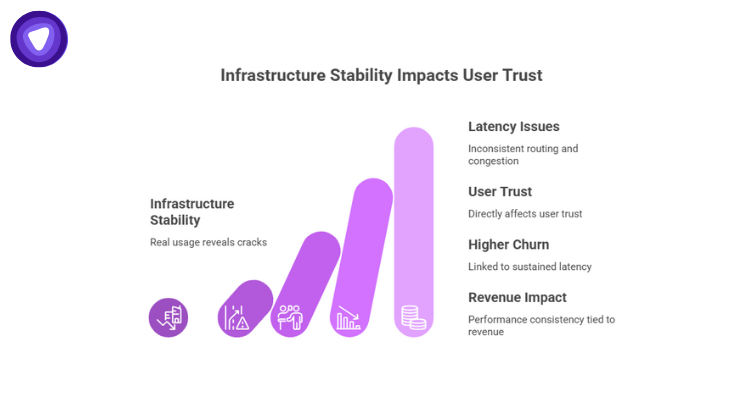
Infrastructure performance becomes visible only under real usage. Platforms built on shared or constrained environments often show cracks once traffic patterns stabilize and peak usage increases. Latency, inconsistent routing, and congestion directly affect user trust.
According to connectivity analysis reports, sustained latency issues in privacy services are closely linked to higher churn during peak usage windows. Performance consistency is therefore tied to retention and revenue.
PureVPN White Label VPN Solution operates on a large global server network with optimized routing and capacity planning. Businesses benefit from access to thousands of servers across multiple regions, designed to maintain stable performance as user volumes increase without requiring infrastructure changes.
2.Built-In Security
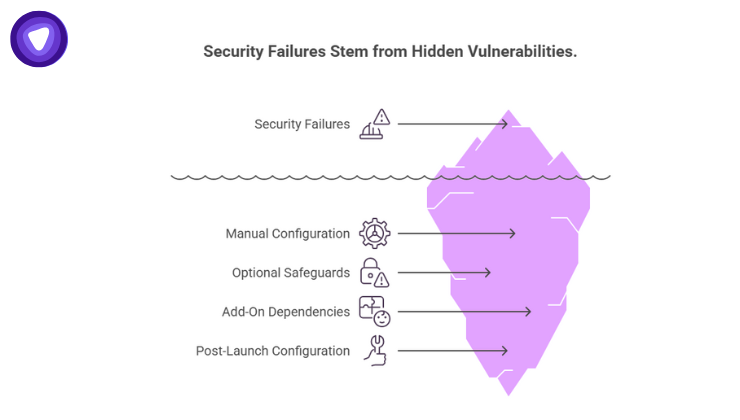
Security failures rarely happen because teams ignore security. They happen because platforms rely on manual configuration or optional safeguards. Buyers compare how much security is enforced by default and how much responsibility remains with the partner.
Encryption standards, protocol availability, kill switch behavior, and DNS leak protection must be native to the platform. Anything that depends on add-ons or post-launch configuration increases exposure.
PureVPN White Label VPN Solution enforces AES-256 encryption, secure VPN protocols such as OpenVPN and WireGuard, DNS leak protection, and an automatic kill switch at the platform level.
These protections are applied consistently across user connections, reducing operational risk for businesses.
3.Brand Control
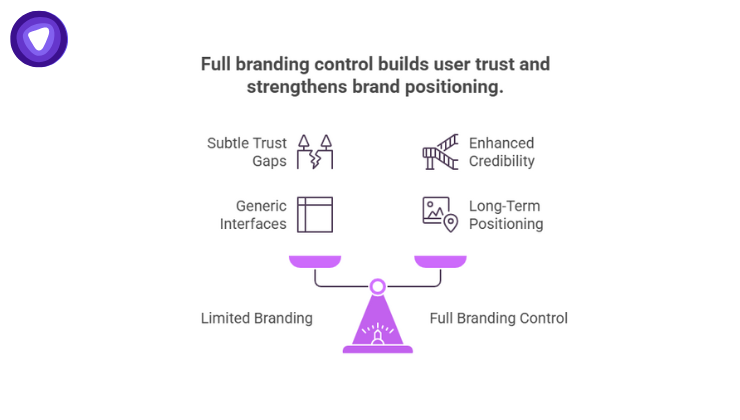
White labeling only works when the VPN feels like a first-party product. Limited branding creates subtle trust gaps, especially when users encounter generic interfaces or third-party identifiers. Buyers compare how much ownership they have over the product experience.
This includes branded applications, dashboards, emails, and customer touchpoints. Control over presentation supports credibility and long-term brand positioning.
PureVPN White Label VPN Solution supports full branding across client apps and user interfaces, allowing partners to deploy the VPN under their own name, visuals, and identity. This ensures the VPN reinforces the brand rather than diluting it.
Read more on setting up your branded VPN apps.
4.User and Access Management
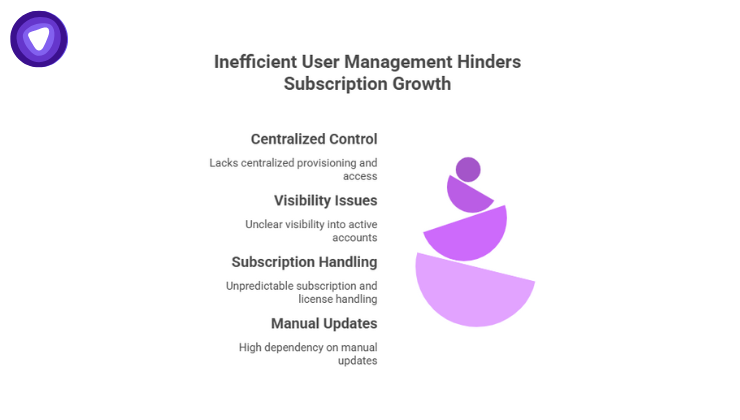
As subscriptions grow, inefficient user handling turns into a support burden. Buyers evaluate how easily they can manage users, control access, and track active accounts without manual processes.
Here is where clarity matters more than flexibility.
Buyers look for user management that supports growth without increasing operational overhead:
- Centralized user provisioning and access control
- Clear visibility into active and inactive accounts
- Predictable subscription and license handling
- Reduced dependency on manual updates
5.Pricing and Monetization Control
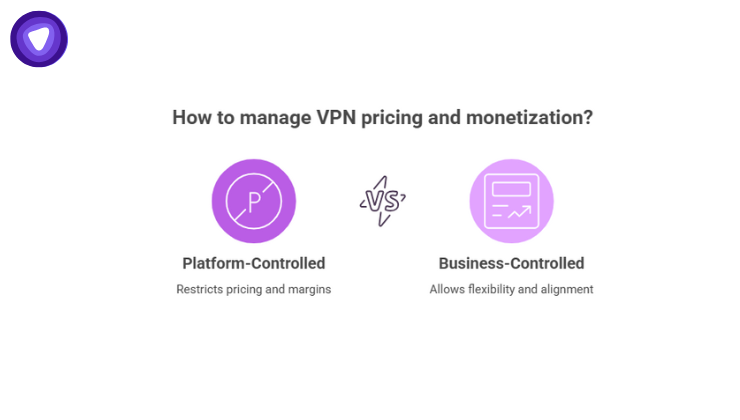
A VPN becomes a business when pricing can adapt to market needs. Some platforms restrict pricing models or introduce backend cost variability that erodes margins over time. Buyers compare how much freedom they retain over monetization.
Control over pricing tiers, subscription lengths, and packaging allows businesses to align revenue strategy with customer demand rather than platform constraints.
PureVPN White Label VPN Solution enables partners to define their own pricing structures while maintaining predictable backend costs. This supports sustainable margins and flexible go-to-market strategies.
6.Operational Support Exposure
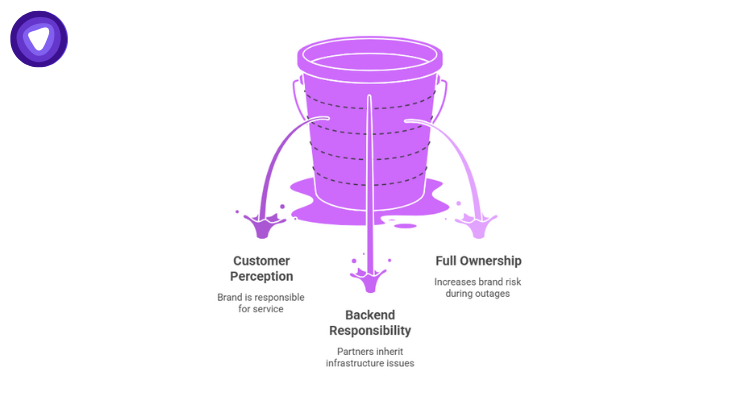
Customers associate service reliability with the brand they pay, not the platform behind it. Buyers compare how much backend responsibility they inherit when infrastructure issues occur.
Platforms that push full operational ownership onto partners increase brand risk, especially during outages or performance degradation.
PureVPN White Label VPN Solution reduces this exposure through a mature infrastructure supported by experienced network operations. Partners benefit from backend stability without carrying full technical responsibility.
7.Scalability Without Rework
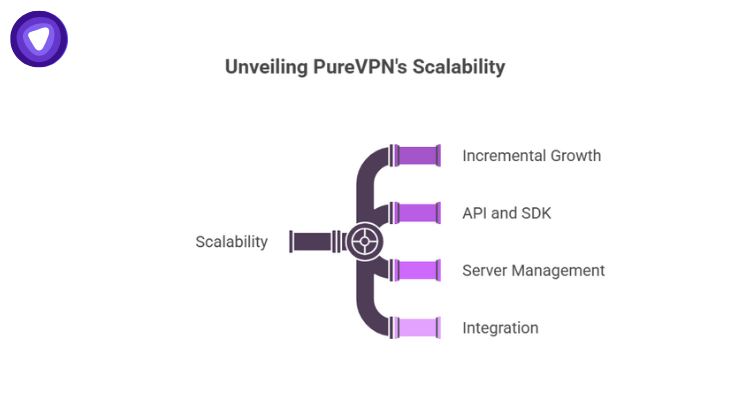
Growth introduces new demands, including higher concurrency, regional expansion, and stricter performance expectations. Buyers assess whether a platform can support these changes without forcing a rebuild or migration.
Scalability should feel incremental, not disruptive.
Platform Comparison Summary
This table summarizes the key areas decision-makers evaluate and shows how PureVPN White Label VPN Solution addresses each one, providing the stability, control, and scalability businesses need to build a reliable VPN product.
| Decision Area | What Is Evaluated | PureVPN White Label VPN Solution |
| Infrastructure | Performance under load | Global server network |
| Security | Default protections | AES-256, secure protocols |
| Branding | Product ownership | Full white label control |
| User Management | Administrative efficiency | Centralized management |
| Monetization | Pricing flexibility | Partner-defined pricing |
| Support Risk | Backend reliability | Reduced operational exposure |
| Scalability | Growth readiness | Expansion without rework |
See how PureVPN White Label VPN Solution fulfills these requirements.
Final Thoughts
White label VPN platforms may look similar at launch. The difference lies in how much control remains with the business as usage grows and expectations rise. Infrastructure limits, security gaps, and administrative friction are costly once customers rely on the service.
PureVPN White Label VPN Solution is built to support VPN businesses beyond the initial rollout. With stable infrastructure, enforced security, deep branding control, and scalable operations, it provides a foundation that supports long-term ownership rather than short-term convenience.