


By 2026, over 60 percent of new VPN services are expected to launch using white label solutions, allowing companies to enter the market without building infrastructure from scratch.
This approach lets businesses brand an existing VPN platform as their own while the provider manages servers, apps, encryption, and billing.
This guide explains what white label VPN solutions include, how they work, and why they are widely used by companies entering the privacy and cybersecurity market.
- White Label VPN Advantage: Businesses can launch branded VPN services without building infrastructure, apps, or encryption from scratch.
- Essential Features: Includes global servers, branded apps, encryption protocols, admin dashboards, subscription management, API integration, and customer management tools.
- Cost Efficiency: Significantly reduces development and operational costs compared to building a VPN internally.
- Infrastructure Reliability: Ensures stable connections, fast speeds, and maintains user trust without partners managing complex servers.
- Business Focus: Enables companies to focus on branding, customer acquisition, and growth while leveraging a fully functional, secure VPN platform.
The Growing Demand for VPN Services
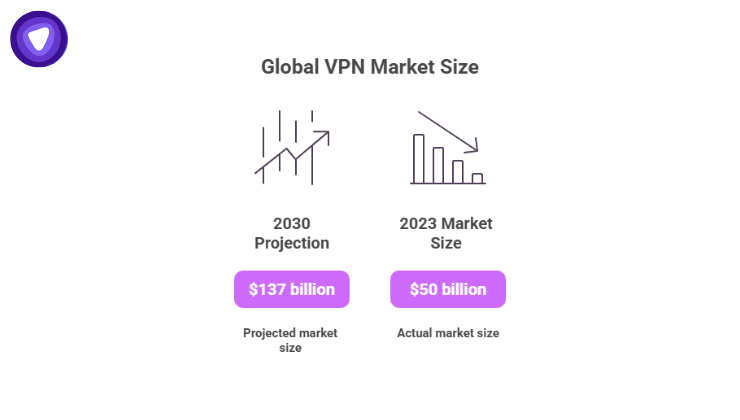
Global demand for VPN services continues to rise as businesses and individuals place greater importance on privacy and secure internet access. Recent data reflects this trend:
- The global VPN market is projected to reach $137 billion by 2030.
- 31 percent of internet users worldwide use a VPN regularly.
- Remote work remains widespread, with 28 percent of employees working remotely worldwide in 2024.
These trends create consistent demand for VPN services across consumers, freelancers, businesses, and digital agencies.
What Is a White Label VPN Solution?
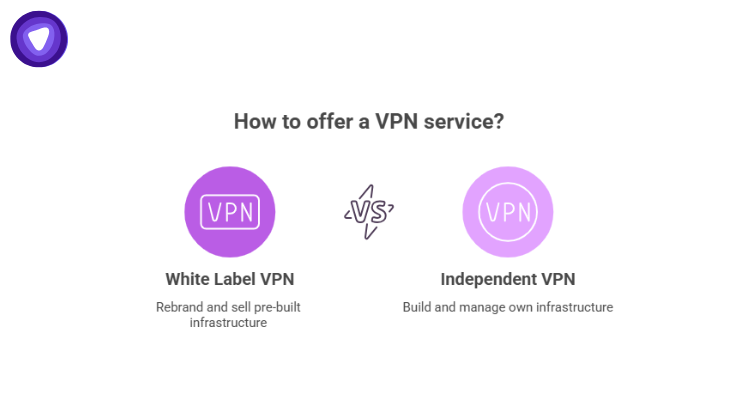
A white label VPN solution is a pre-built VPN infrastructure that companies can rebrand and sell as their own service. The provider supplies the technical system that powers the VPN, while the partner controls:
- Brand identity
- Pricing
- Marketing
- Customer relationships
- Distribution channels
From the user’s perspective, the service appears as a fully independent VPN brand even though the infrastructure runs on the provider’s network.
Core Components of a White Label VPN Solution
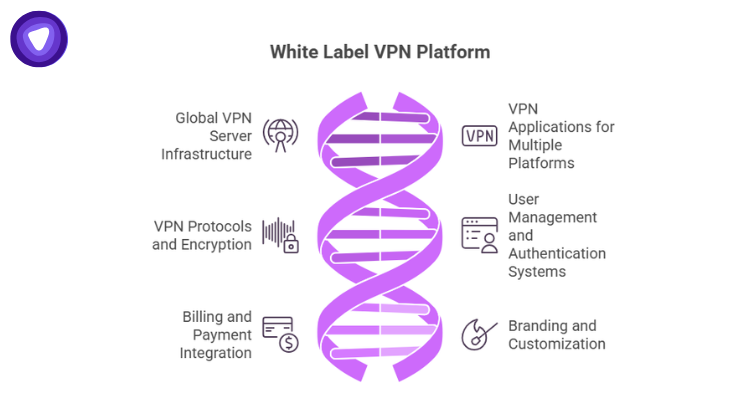
A complete white label VPN platform contains several technical and operational components.
1. Global VPN Server Infrastructure
The backbone of any VPN service is its server network. Typical infrastructure features include:
- Servers across multiple countries
- High bandwidth capacity
- Secure data centers
- Load balancing systems
- Network monitoring and uptime management
This infrastructure routes encrypted user traffic through secure tunnels across global locations.
2. VPN Applications for Multiple Platforms
White label VPN providers typically offer ready-to-deploy applications that partners can brand as their own. Supported platforms usually include:
- Windows
- macOS
- Android
- iOS
- Linux
The apps handle encryption, server selection, and connection management while maintaining the reseller’s brand identity.
3. VPN Protocols and Encryption
Security protocols protect user traffic.
Most white label platforms support modern tunneling technologies such as:
- WireGuard
- OpenVPN
- IKEv2
These protocols encrypt traffic between the user device and VPN server to prevent interception.
4. User Management and Authentication Systems
White label platforms include centralized systems that manage:
- Account creation
- Subscription validation
- Device limits
- Login authentication
Administrators receive access to dashboards that track users, subscriptions, and activity.
5. Billing and Payment Integration
Many platforms include built-in billing tools that support:
- Subscription plans
- Payment gateway integration
- Renewals and trials
- Promotional pricing
This removes the need to build separate billing infrastructure.
6. Branding and Customization
White label VPN platforms allow partners to customize:
- App interface design
- Company name and logo
- Domain integration
- Customer communication templates
- Support channels
Users experience the VPN as a standalone branded product.
Additional Security Features Often Included
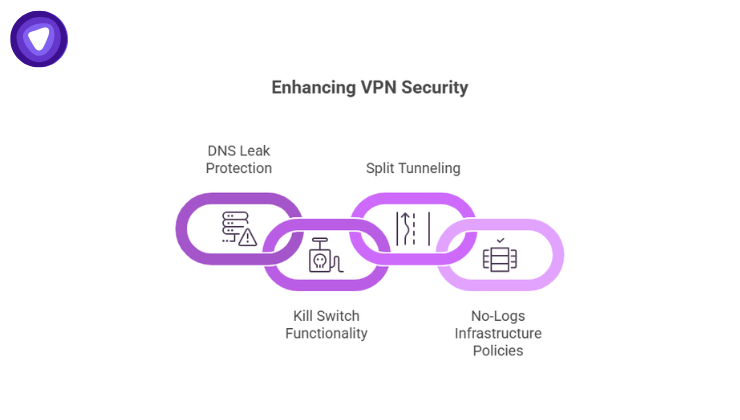
Beyond core encryption, many white label VPN platforms include additional security capabilities that improve privacy and reliability.
Common examples include:
- DNS leak protection to prevent accidental exposure of user requests
- Kill switch functionality that blocks internet traffic if the VPN disconnects
- Split tunneling to route specific apps through the VPN
- No-logs infrastructure policies that limit stored user data
These security features improve trust and reduce operational risk for businesses offering VPN services.
API and Integration Capabilities
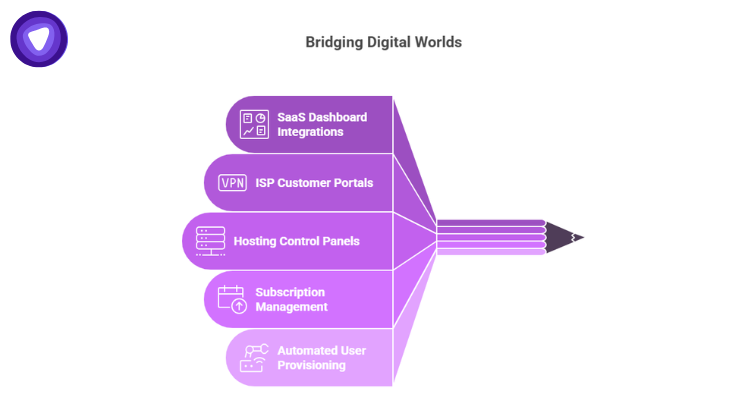
Many white label VPN platforms provide API access and integration tools that allow businesses to connect the VPN service with existing systems. Typical integration capabilities include:
- SaaS dashboard integrations
- ISP customer portals
- Hosting control panels
- Subscription management platforms
- Automated user provisioning systems
These integrations allow companies to deliver VPN access directly through their existing services.
Performance and Network Optimization
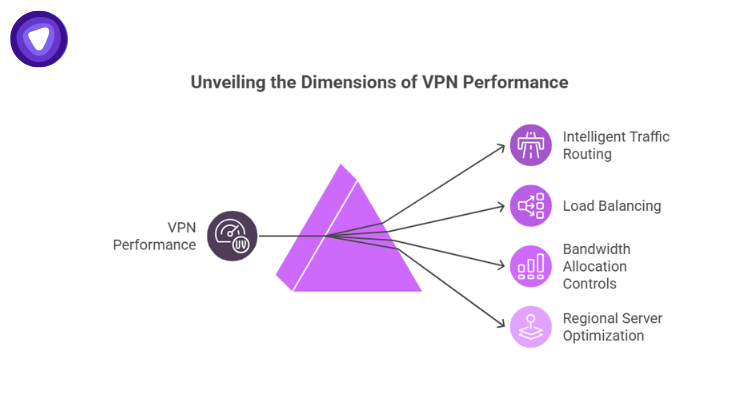
Speed and connection stability strongly influence VPN user satisfaction. Quality white label platforms optimize performance through:
- Intelligent traffic routing
- Load balancing across servers
- Bandwidth allocation controls
- Regional server optimization
A distributed server infrastructure improves connection reliability and reduces latency for users across different regions.
How White Label VPN Solutions Work
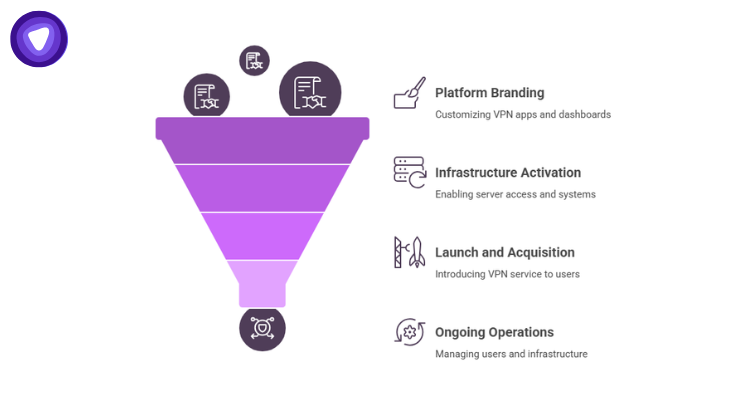
Understanding the workflow behind a white label VPN service helps explain how businesses launch and operate these platforms.
Step 1: Partner Agreement with the Provider
A company first partners with a white label VPN provider and receives access to infrastructure, applications, and dashboards.
Step 2: Platform Branding and Setup
VPN apps and dashboards are customized with:
- Logos
- Color themes
- Domain names
- Company branding
The platform is then prepared for public launch.
Step 3: Infrastructure Activation
The provider activates infrastructure access including:
- Server network access
- Authentication systems
- Billing integration
- Admin dashboards
The VPN service becomes operational at this stage.
Step 4: Launch and Customer Acquisition
The partner launches the VPN service under their brand and begins acquiring users through:
- Subscription websites
- SaaS platforms
- Hosting providers
- Cybersecurity services
Step 5: Ongoing Operations and Support
Daily operations focus on:
- User onboarding
- Subscription management
- Customer support
- Marketing
The provider maintains infrastructure, servers, and security updates.
What Businesses Gain from White Label VPN Solutions
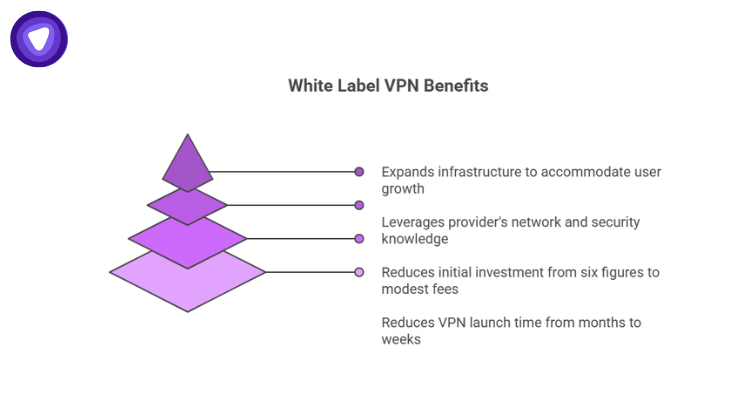
Companies choose white label VPN solutions because they simplify development while enabling entry into a growing market.
Faster Market Entry
Building a VPN platform internally may take 12 to 24 months. White label solutions reduce launch time significantly to a few days to weeks.
Lower Development Costs
Building a VPN platform from scratch often requires six‑figure development budgets for apps and infrastructure, plus hundreds of thousands in initial investment for servers and security audits.
White label VPN solutions reduce these costs to modest setup fees (often $500–$2,000) and manageable monthly service charges, with infrastructure and maintenance handled by the provider.
Technical Expertise from the Provider
Providers maintain:
- Network routing systems
- Encryption protocols
- Infrastructure monitoring
- Security updates
Partners benefit from this expertise without managing the infrastructure directly.
Scalability
As the user base grows, infrastructure capacity expands through additional servers and optimized routing. This allows businesses to scale their VPN service without rebuilding the platform.
Key Features Often Included in White Label VPN Platforms
These features form the essential backbone of a white label VPN service, ensuring that partners can deliver a secure, fully branded, and user-friendly experience without managing complex infrastructure themselves.
| Feature | Purpose |
| Global VPN Servers | Provides secure routing through multiple geographic locations |
| Branded VPN Applications | Allows partners to launch apps under their own brand |
| Encryption Protocols | Protects user traffic with secure tunneling technologies |
| Admin Dashboard | Enables account management, analytics, and monitoring |
| Subscription Management | Handles billing, plan creation, and renewals |
| API Integration | Connects the VPN platform with websites or SaaS services |
| Security Updates | Maintains encryption standards and system stability |
| Customer Management Tools | Tracks subscriptions, users, and account activity |
Who Uses White Label VPN Solutions

Industries that commonly adopt white label VPN services include:
- Hosting providers
- Cybersecurity companies
- SaaS platforms
- Digital privacy brands
- Telecom and ISP companies
Why Infrastructure Reliability Matters
Reliable infrastructure is critical for VPN services because users expect stable connections, fast speeds, and secure data handling. Poor infrastructure can result in slow connections, frequent server downtime, and ultimately a loss of user trust.
White label VPN providers maintain large, globally distributed server networks, allowing partners to offer a dependable VPN service without managing complex infrastructure themselves.
Evaluating a White Label VPN Provider
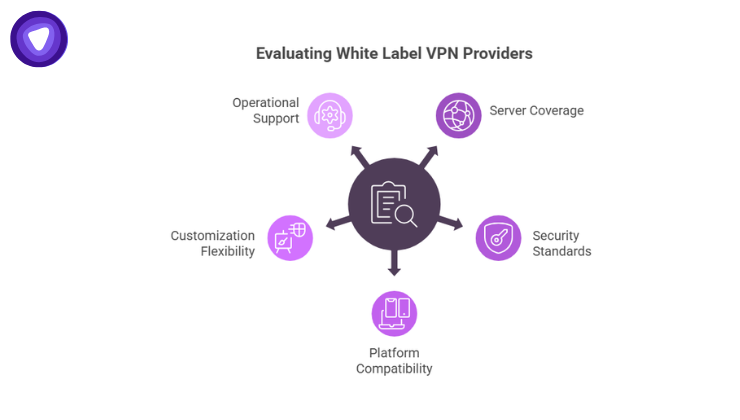
Businesses evaluating providers should review several factors:
Server coverage
A broad server network improves reliability.
Security standards
Modern encryption protocols and regular updates are essential.
Platform compatibility
Apps should support major operating systems.
Customization flexibility
Branding and pricing should remain under partner control.
Operational support
Providers should maintain infrastructure monitoring and technical support.
How PureVPN White Label VPN Solution Fits
PureVPN’s White Label Solution provides a complete, ready-to-use VPN platform that partners can brand as their own. It combines a global server network, secure encryption protocols, and multi-platform apps with integrated billing and user management tools.
This allows businesses to launch a fully functional VPN service quickly, focus on customer acquisition and branding, and scale operations without handling the complexities of infrastructure, security updates, or application development.
Final Thoughts
White label VPN solutions offer a practical and efficient way for businesses to enter the growing privacy and cybersecurity market without building complex infrastructure from scratch. By providing a fully functional platform, including servers, apps, encryption, billing, and user management, these solutions allow partners to focus on branding, customer acquisition, and growth.
With the ability to scale operations quickly and maintain high levels of security and performance, white label VPNs have become a strategic choice for companies looking to offer reliable, branded VPN services while minimizing development costs and technical complexity.