

- Travel Wi-Fi monetization: Turns free guest connectivity into revenue, data, and brand engagement rather than a cost center.
- Captive portals and branded networks: Essential for controlling guest interactions and collecting consented data.
- Hotels and airlines: Can monetize through premium tiers, sponsored access, loyalty logins, and partnerships without charging all users.
- Security: Secure and reliable Wi-Fi protects guests and supports monetization by maintaining trust and reducing operational risk.
- White label solutions: PureVPN enables scalable, branded, and secure Wi-Fi networks across multiple properties and regions, simplifying implementation and maximizing revenue opportunities.
Free Wi-Fi was never meant to be invisible infrastructure. It was introduced as a service differentiator, a reason to choose one hotel, airline, or lounge over another. Over time, it turned into a silent operational expense that delivers little measurable return.
Travel brands now face a simple reality. Connectivity is expected, usage is heavy, and operating costs keep rising. The opportunity is no longer about offering access. It is about travel Wi-Fi monetization done in a way that respects the guest experience while creating real commercial value.
This shift is already underway across hotels, airlines, airports, cruise lines, and serviced apartments. Brands that treat Wi-Fi as a platform instead of a utility are capturing new revenue streams, richer customer data, and stronger brand presence without charging guests at the point of connection.
Free Wi-Fi Is Not Free to Operate
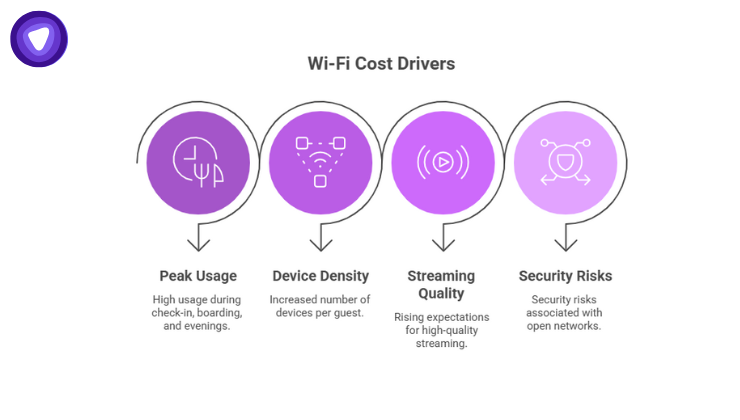
Wi-Fi costs extend far beyond bandwidth. Travel operators fund infrastructure upgrades, security layers, maintenance contracts, support staff, and compliance requirements across multiple regions.
Key cost drivers include:
- High peak usage during check-in, boarding, and evenings
- Increased device density per guest
- Rising expectations for streaming quality
- Security risks tied to open networks
According to a survey, over 70 percent of hotel guests connect at least two devices per stay, increasing load on access points and backend systems. This usage growth directly impacts hotel Wi-Fi revenue models that rely solely on cost absorption.
Airlines face similar pressures. Passenger data usage onboard aircraft has doubled since 2019, driven largely by video streaming and cloud applications.
Free access without a monetization layer turns Wi-Fi into a permanent margin drain.
Travel Wi-Fi Monetization Explained
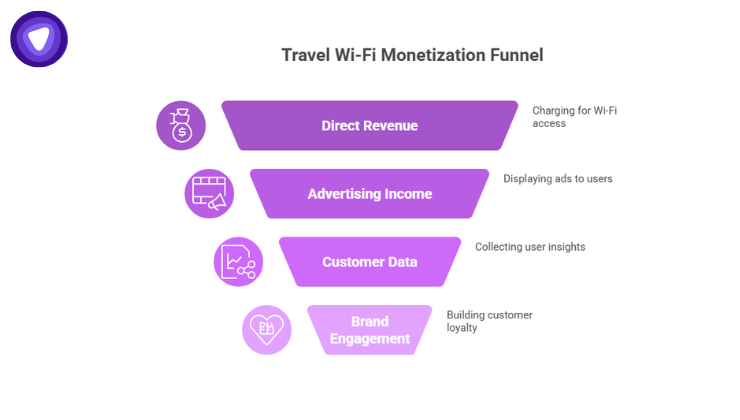
Travel Wi-Fi monetization refers to structured methods that convert guest connectivity into measurable business value without degrading the user experience.
This value can take several forms:
- Direct revenue
- Advertising and sponsorship income
- Customer data and insights
- Brand engagement and loyalty reinforcement
Modern monetization does not rely on charging guests per hour. That model failed because it conflicted with expectations. Today’s approach integrates connectivity into the broader commercial ecosystem of the travel brand.
The Role of Captive Portal Wi-Fi
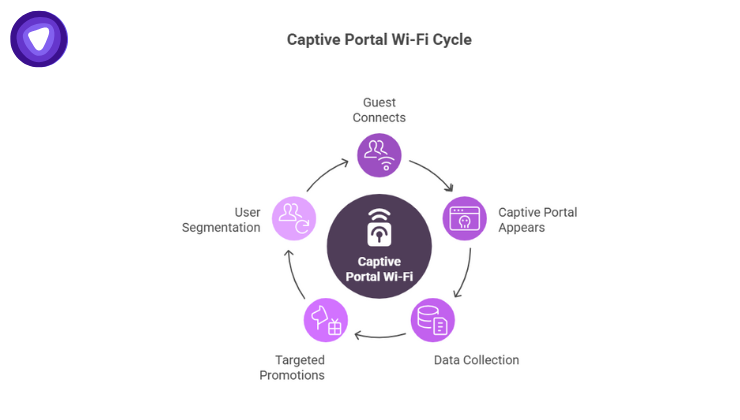
Captive portal Wi-Fi is the foundation of most modern monetization strategies. It is the branded access page guests see before connecting to the network.
A well designed captive portal Wi-Fi system allows brands to:
- Control the first digital interaction with guests
- Collect consented data such as email or loyalty ID
- Deliver promotions or partner offers
- Segment users by location, device, or stay duration
More importantly, captive portals transform anonymous traffic into measurable interactions. That data fuels smarter pricing, marketing, and operational decisions across properties and routes.
Wi-Fi Monetization for Hotels
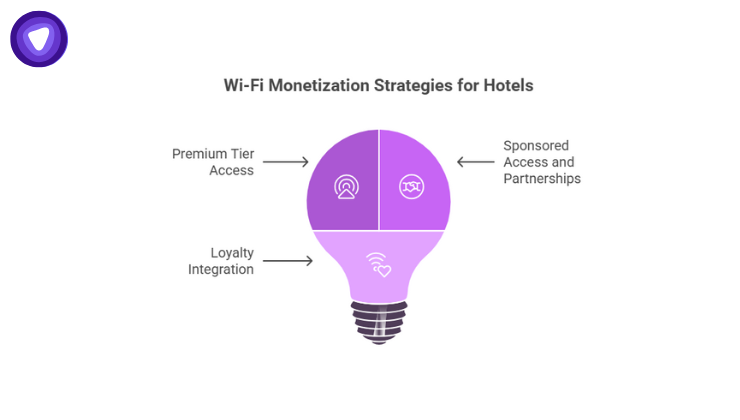
Hotels have the clearest path to monetization because Wi-Fi touches nearly every guest moment.
Premium Tier Access
Many properties now offer:
- Complimentary standard access
- Paid high speed tiers for streaming or work
- Dedicated bandwidth for conference guests
This hybrid free Wi-Fi business model preserves expectations while allowing revenue from guests who value performance.
Business travelers are 42 percent more likely to pay for premium connectivity when it guarantees stable video calls.
Sponsored Access and Partnerships
Hotels partner with:
- Local attractions
- Transport providers
- Dining and retail brands
Guests access Wi-Fi after viewing or interacting with a sponsored message. This model directly supports hotel Wi-Fi revenue without charging the end user.
Loyalty Integration
Wi-Fi login tied to loyalty programs improves retention and data quality. Guests receive seamless access across stays while hotels gain insights into device behavior and visit frequency.
Airline Wi-Fi Monetization Is Shifting
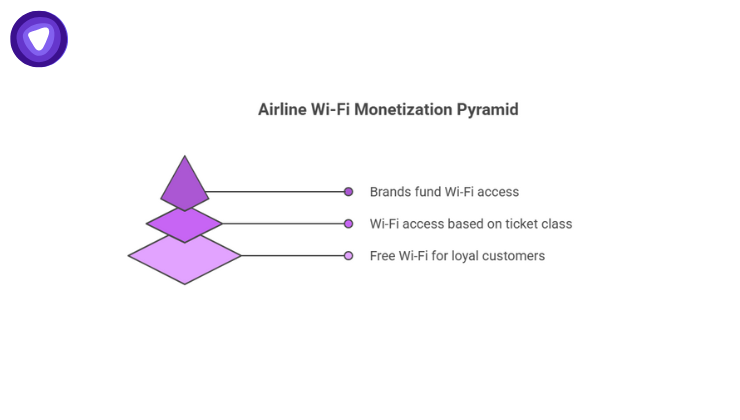
Airline Wi-Fi monetization used to depend on per flight access fees. That approach is rapidly declining.
Leading airlines now focus on:
- Sponsored connectivity funded by brands
- Tiered access based on ticket class
- Loyalty based free access
Connectivity also supports onboard commerce, app usage, and destination marketing, extending value beyond direct access fees.
Branded Wi-Fi Networks Strengthen Trust
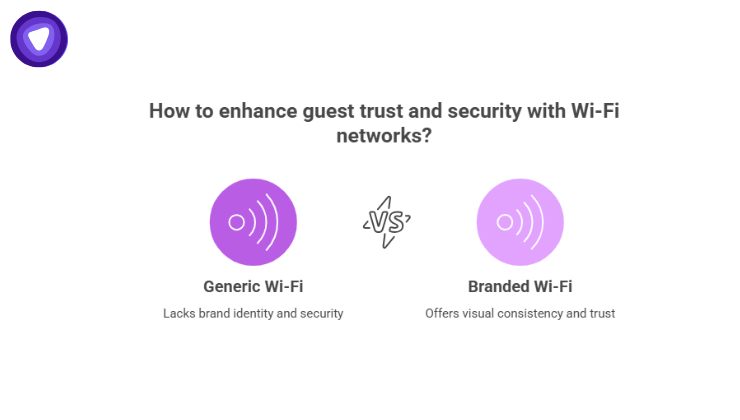
Guests notice when Wi-Fi feels generic. They also notice when it feels secure, consistent, and aligned with the brand they chose.
Branded Wi-Fi networks deliver:
- Visual consistency across properties and vehicles
- Reduced phishing and spoofing risk
- Higher trust during login
Brand ownership over the network experience is critical for long term travel Wi-Fi monetization.
Data Is the Quiet Revenue Engine
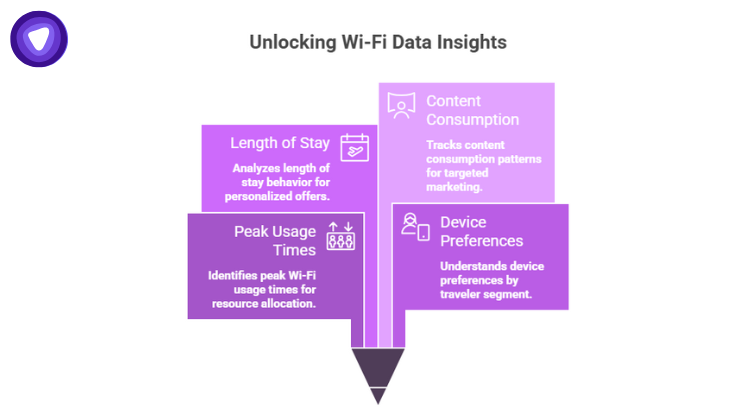
Not all monetization is immediate cash flow. Some of the most valuable outcomes come from insight.
Wi-Fi data helps travel brands understand:
- Peak usage times
- Device preferences by traveler segment
- Length of stay behavior
- Content consumption patterns
When combined with consented marketing systems, this data improves pricing strategies, staffing models, and campaign performance.
Monetization Models Compared
Each model supports travel Wi-Fi monetization differently. The strongest strategies combine two or more approaches rather than relying on a single stream.
| Model | Revenue Type | Guest Impact | Best Fit |
| Premium Access | Direct payment | Low when optional | Business hotels, airlines |
| Sponsored Access | Advertising | Minimal | Airports, resorts |
| Loyalty Login | Indirect | Positive | Hotel chains |
| Data Insights | Indirect | Invisible | Multi property brands |
| Branded Portals | Mixed | Positive | All travel sectors |
Security Cannot Be an Afterthought
Monetization fails when guests do not trust the network..
Secure access layers, encrypted traffic routing, and user isolation protect both guests and operators. Security also supports regulatory compliance across regions without disrupting access speed.
Where White Label Wi-Fi Solutions Fit
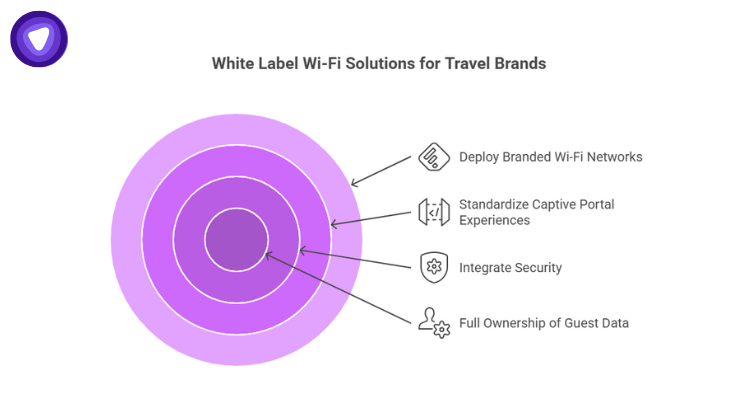
As travel brands scale across locations and regions, managing consistent Wi-Fi monetization becomes complex.
This is where white label connectivity platforms offer value. They allow brands to:
- Deploy branded Wi-Fi networks globally
- Standardize captive portal experiences
- Integrate security without heavy infrastructure
- Maintain full ownership of guest data
Instead of relying on fragmented local vendors, brands gain a unified system aligned with their identity and business goals.
A Practical Approach with PureVPN White Label VPN Solution
For travel operators seeking control over travel Wi-Fi monetization, PureVPN’s White Label VPN Solution provides a structured path forward. It enables secure, branded Wi-Fi environments that scale across hotels, airlines, lounges, and managed properties.
The platform supports captive portal integration, encrypted traffic handling, and centralized management while allowing the brand to remain front and center. This keeps monetization strategies consistent without introducing technical friction for guests or staff.
By combining security and branding at the network level, travel brands can protect users, preserve trust, and activate monetization models that work across regions.
Turning Connectivity into a Strategic Asset
Free Wi-Fi no longer needs to sit quietly on the expense line. When approached deliberately, it becomes a channel for revenue, insight, and brand reinforcement.
Travel Wi-Fi monetization succeeds when connectivity is treated as part of the guest journey rather than background infrastructure. Brands that align access, security, and branding will extract value without compromising experience.
The difference is not technology alone. It is intent, ownership, and execution at scale.