

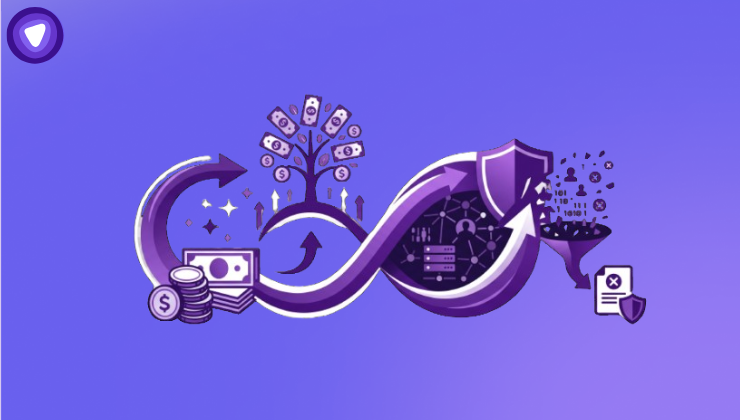
- Recurring by nature: Data broker exposure is not a one-time problem. Brokers constantly refresh listings from public records and breaches, which is why removal works as a recurring subscription instead of a single fix.
- Real financial stakes: Consumers lost more than $12.5 billion to fraud in 2024, and broker-sold data like addresses and phone numbers feeds directly into scams.
- Natural fit for existing subscriptions: Digital businesses already running subscriptions, such as VPN, antivirus, and identity protection providers, are best positioned to add this service since they already have the billing infrastructure and customer base.
- Flexible integration: A data broker removal platform can be added as an add-on tier, a bundled premium feature, or a standalone product, and each model changes revenue impact differently.
- Faster path with white label: White label infrastructure lets a business launch data broker removal in weeks under its own brand, without building broker relationships or compliance workflows from scratch.
Every digital business already sells access. Access to storage, to bandwidth, to software features locked behind a paywall. Data broker removal flips that model. It sells the removal of access, the kind that data brokers have quietly built around every internet user for two decades. That single shift, from adding value to stripping exposure, is turning into one of the most reliable subscription categories in privacy tech.
Digital businesses that already run recurring billing are in a strong position to add this service. That includes VPN providers, antivirus suites, and identity protection apps. The infrastructure exists. The customer base exists. What is missing for most companies is a clear picture of how a data broker removal platform generates recurring income. The timing to launch one has never been better.
What a Data Broker Removal Platform Actually Does
A data broker removal platform scans data broker sites and public record databases for a user’s personal details. Names, addresses, phone numbers, relatives, and property records get listed and resold without direct consent. The platform then files opt-out or deletion requests on the user’s behalf and tracks broker responses. It repeats the process on a schedule, because brokers frequently re-list the same data.
This is not a one-time cleanup job. Data brokers refresh their listings from public records, data breaches, and third-party purchases. A name removed today can resurface in a few months. That resurfacing pattern is exactly what turns a data broker removal platform into a subscription product rather than a single transaction.
Where the Data Comes From
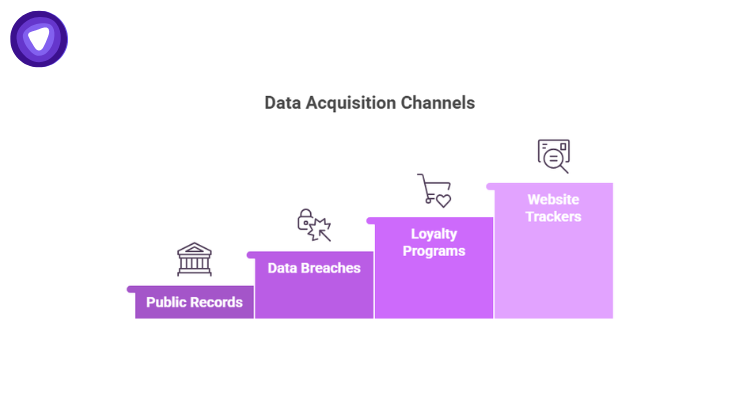
Personal data reaches brokers through several channels:
- Public records such as property deeds, court filings, and voter registrations
- Data breaches that leak names, emails, and account details
- Loyalty programs and app permissions that quietly share user data
- Website trackers and mobile SDKs that build behavioral profiles
The global data broker market was valued at roughly $294 billion in 2025, based on recent industry sizing. That scale explains why removal cannot be a manual, occasional task. The supply of new personal data entering broker databases never stops, so the demand for ongoing removal never stops either.
Why Removal Has Become a Recurring Need, Not a One-Time Fix
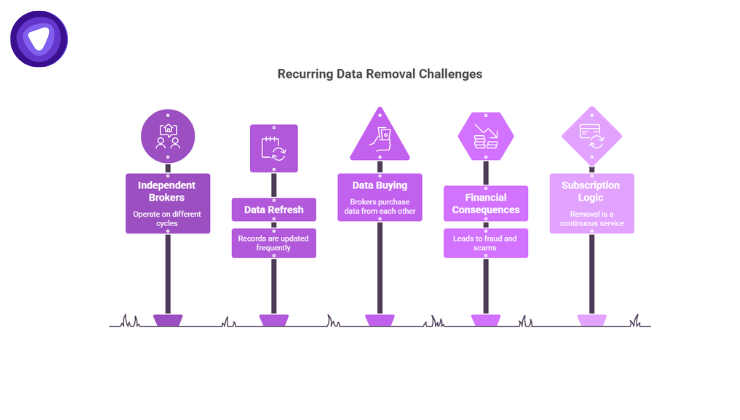
Most consumers assume that removing their information once is enough. It rarely is. Brokers operate independently, refresh their records on different cycles, and often buy data from each other. A data broker removal platform that runs continuous scans and refiles requests solves a problem that keeps regenerating itself.
This ongoing exposure has real financial consequences. Consumers reported losing more than $12.5 billion to fraud in 2024, a jump of 25 percent over the prior year. Broker-sold data, including addresses and phone numbers, feeds directly into scams like impersonation fraud and account takeover attempts. When people understand that link, a recurring removal service stops feeling optional.
The Subscription Logic Behind Removal
The mechanics of removal map naturally onto a subscription:
- Initial scan identifies where a user’s data appears.
- Removal requests get filed across dozens or hundreds of brokers.
- A monitoring cycle checks for re-listings on a set schedule.
- New removal requests get filed automatically when data reappears.
That loop is the entire business model. Every renewal cycle repeats that value delivery. It is the same structural pattern behind antivirus renewals, VPN subscriptions, and cloud storage plans.
The Revenue Opportunity for Digital Businesses
A data broker removal platform gives an existing subscription product a second reason for customers to keep paying. It also opens the door to a new customer segment. Privacy consciousness has grown as large-scale data breaches became routine news. Identity fraud alone caused an estimated $27.3 billion in losses affecting 18 million people in 2025. Someone in the United States becomes a victim of identity theft roughly every five seconds.
Businesses do not need to build broker relationships from scratch or maintain removal workflows internally. A data broker removal platform can be layered onto an existing product in several ways. Common options include an add-on tier, a bundled feature, or a standalone subscription. Each approach changes the revenue mix differently.
| Integration Model | Customer Perception | Revenue Impact |
| Add-on subscription | Optional upgrade for privacy-focused users | Incremental ARPU without disrupting core pricing |
| Bundled into premium tier | Justifies a higher-priced plan | Reduces churn on top-tier plans |
| Standalone product | New entry point for privacy-only buyers | Opens a separate acquisition funnel |
| White label platform | Feels native to the existing brand | Fastest path to market without build costs |
Enterprises already understand the commercial weight of personal data. More than 60 percent of businesses now purchase external datasets to build customer profiles. That same appetite for data acquisition on the business side is what fuels consumer demand for removal on the individual side. Both sides of that transaction are growing at once. Companies that offer removal capture value from the consumer half of that equation.
Building It Into an Existing Product Instead of From Scratch
Building broker relationships, legal opt-out workflows, and monitoring infrastructure from the ground up takes time most product teams do not have. It also requires ongoing legal review as broker terms and regional privacy laws shift. A data broker removal platform that ships as a ready-made module removes that build cycle entirely.
This is where white label infrastructure changes the calculation. Instead of a multi-quarter engineering project, a company can add data broker removal within weeks. It ships under the company’s own brand, billed through its existing subscription system. The technical debt and compliance research get absorbed by the platform provider rather than the reselling business.
Where Removal Fits Inside a Product Roadmap
For businesses in privacy-adjacent categories, the fit is direct. A VPN masks a user’s location and browsing activity. A data broker removal platform removes the personal data that was already exposed before the VPN was ever installed. The two solve complementary problems, which is why bundling them together tends to increase both attach rate and retention.
Features That Keep a Data Broker Removal Platform Sticky
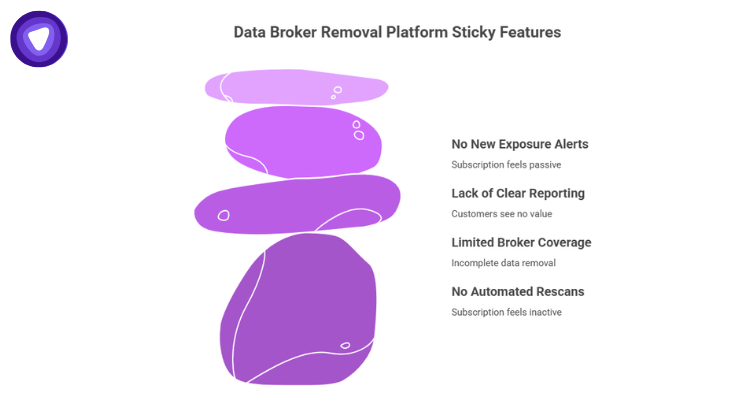
A data broker removal platform earns its recurring fee by staying active in the background. Customers rarely log in daily, so the product needs to demonstrate ongoing value without constant manual interaction. Strong implementations typically include:
- Automated rescans on a fixed schedule, not just at signup
- Coverage across a broad and regularly updated list of broker sites
- Clear reporting that shows what was found and what was removed
- Alerts when new exposure appears, so the subscription feels active
Without visible reporting, a removal subscription looks identical to a background process nobody notices, which increases churn risk. Dashboards and periodic email summaries solve this by giving customers proof that the subscription is doing something every month.
Compliance and Trust Considerations
Handling personal data at scale means compliance cannot be an afterthought. A data broker removal platform touches names, addresses, and sometimes financial identifiers, all of which fall under regional privacy regulation. Businesses adding this feature need to confirm how opt-out requests are logged. They also need clarity on data retention and how broker disputes get resolved.
This is also where reputation matters more than in most subscription categories. A removal service is only as credible as its actual removal rate. Overpromising coverage while underdelivering on real opt-outs damages trust quickly. Privacy-conscious buyers tend to research a provider before subscribing.
Positioning the Right Infrastructure Partner
Digital businesses considering this expansion do not need to choose between building slowly or launching with weak coverage. PureVPN’s white label VPN solution extends beyond VPN infrastructure into privacy tools, including data broker removal. It is packaged for resellers who want to launch under their own brand, without managing broker relationships or compliance workflows directly.
For a business already selling privacy or security subscriptions, this kind of white label data broker removal platform simplifies things. A complex build becomes a straightforward addition to an existing product line. The branding stays with the reseller. The removal infrastructure, broker coverage, and monitoring cycles are handled on the backend.
Closing Thoughts
Recurring revenue in digital products usually comes from solving a problem that never fully goes away. Data broker exposure fits that pattern exactly. Brokers keep collecting and reselling personal information regardless of how many times it gets removed. A data broker removal platform turns that ongoing exposure into a subscription businesses can sell with confidence. It is backed by a market, and a fraud problem, that keep growing year over year. Companies that add this capability now are positioning themselves ahead of a demand curve that shows no sign of flattening.