


- Broker Coverage: Broker coverage claims are often inflated. Ask for the exact broker list and refresh cycle, not just a total count, since over 4,000 data brokers operate in the US alone.
- Removal Rates: Removal effectiveness varies sharply by method. Manual opt-out requests hit a 70% removal rate in four months, while the average paid automated service only reached 35%.
- API Depth: API depth matters as much as broker coverage. Look for automated provisioning, webhooks, bulk onboarding, and documented rate limits instead of manual workarounds.
- Pricing Structure: Pricing structure affects margins more than the sticker price. Revenue share models shift some performance risk onto the vendor, unlike flat per-seat licensing.
- Support and Compliance: Support and compliance separate strong vendors from weak ones. Check for guaranteed response times, dedicated account managers, and integration with state registries like California’s DROP platform.
Reselling a data broker removal service sounds straightforward. Then a customer asks why their old address still shows up on a people search site three months after signup. That question exposes the real gap between a branded product and a working one. Anyone building a white label data broker solution needs to know which parts of the stack determine whether removals stick. Everything else is just packaging.
The Market Behind the Demand
Demand for personal data removal has grown fast, and the growth is not slowing down. The global personal data removal services market reached $1.68 billion in 2024, according to recent market data. It is projected to pass $7.99 billion within the next decade. Rising privacy regulation, new state data broker registries, and growing awareness of identity theft are driving that expansion. VPN providers, cybersecurity brands, and reseller networks are adding removal services to existing subscriptions. Building the technology from scratch rarely makes sense. That is where a white label option becomes attractive. Attractiveness alone does not guarantee quality.
Why a White Label Data Broker Solution Needs More Than Reseller Branding
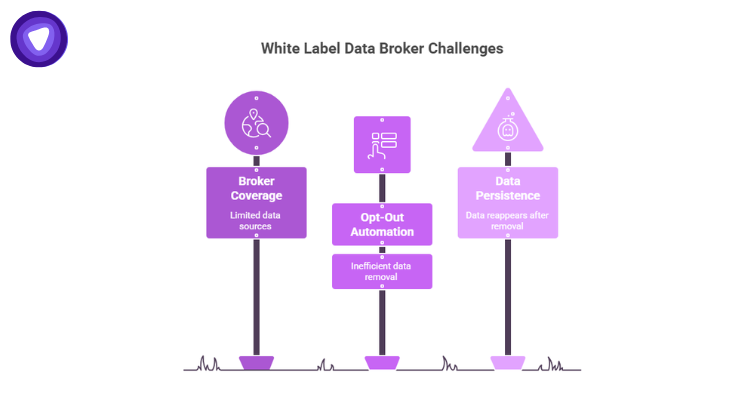
A white label data broker solution is not just a rebranded dashboard with your logo on it. Branding is the easy part. The hard part sits behind the interface: broker coverage, opt-out automation, and how quickly removed data actually stays removed. Buyers who evaluate a vendor only on price and design often inherit a weak backend. That backend is hard to fix later, since the removal engine belongs to the vendor, not the reseller.
What “White Label” Actually Covers
Before comparing vendors, it helps to know what should be included under a proper white label agreement.
- A fully branded dashboard and mobile experience, with no vendor logos visible to end users
- A custom domain for account access and email notifications
- API access for account provisioning and status checks
- Reporting that reaches either the reseller only, or end users directly, depending on your plan
Core Technical Requirements Before You Sign a Contract
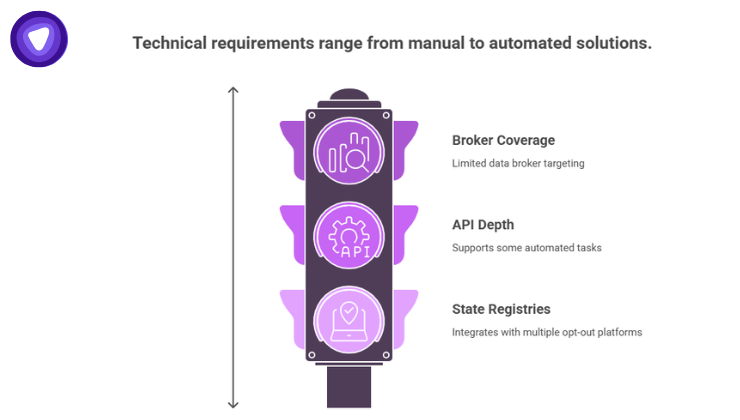
Technical due diligence matters more than marketing claims. Before committing to any vendor, examine four areas. Together, they determine whether a white label data broker solution performs as advertised once real customers start using it.
Broker Coverage and Refresh Cycles
Coverage numbers get inflated often. Ask for the exact list of data brokers and people search sites the vendor targets. A total count on a sales page means little on its own. There are over 4,000 data brokers operating in the United States alone, per industry data. Most vendors cover only a small fraction of that list. Ask how often the vendor rechecks each broker after an initial removal. Data frequently reappears within weeks once a broker reacquires it from a third party.
API Depth and Automation Support
A vendor’s API determines how much manual work your team ends up doing.
- Account provisioning should run through API calls, not manual spreadsheet uploads
- Webhooks should push removal status updates automatically
- Bulk onboarding should support importing an existing subscriber base in one pass
- Rate limits and error handling should be documented before you sign, not discovered later
Compliance With State Registries
California’s Delete Request and Opt-Out Platform was created under the Delete Act. One submission through it reaches every registered broker in the state. A capable vendor already integrates with this platform, plus similar registries in Oregon, Vermont, and Texas. This kind of integration cuts down on manual opt-out work. It also produces more consistent results across states with different rules.
Removal Effectiveness: What the Data Actually Shows
Marketing pages rarely show real removal rates. Independent testing does. A 2024 investigation tracked profile removal across several paid services over four months. The results were compared against manual opt-out requests, submitted without any paid tool at all.
| Removal Method | Profiles Removed After 4 Months |
| Manual opt-out requests (no paid tool) | 70% |
| Average paid automated service | 35% |
| Weakest performing paid service tested | Under 27% |
Full findings and methodology are available in this independent analysis.
These numbers do not mean automation is pointless. They show that automation without strong broker relationships can underperform basic manual effort. Consistent refresh cycles matter just as much. A white label data broker solution built on a weak vendor will show the same disappointing numbers over time. Polished branding on the front end will not change that.
The Real Risk of Getting This Wrong
Weak removal performance creates real consequences for end users, not just churn for resellers. A review of ten major data breaches found that over 210 million records were exposed in the United States, per breach research. That is close to two-thirds of the population. Much of that exposed data ends up resold through broker networks within weeks of a breach. Customers who sign up for a white label data broker solution expect their information to disappear. They do not expect it to resurface under a different broker’s listing a month later.
Pricing Models and Margin Structure
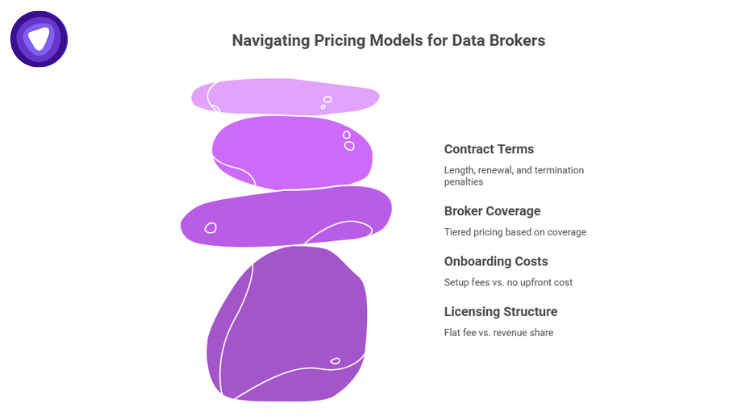
Pricing structures vary widely across vendors, and the structure affects long-term margins more than the sticker price does.
- Flat per-seat licensing versus revenue share on subscriptions sold
- Setup fees versus no upfront cost for onboarding
- Tiered pricing based on the level of broker coverage included
- Contract length, renewal terms, and any penalties for early termination
A white label data broker solution priced on revenue share can protect margins better when broker coverage proves inconsistent. The vendor shares some of the performance risk instead of collecting a flat fee regardless of results.
Support, SLAs, and Ongoing Vendor Reliability
Support responsiveness affects your brand’s reputation directly, not the vendor’s, since customers see your name on the product.
- Guaranteed response times for escalated customer issues
- A dedicated account manager for reseller accounts, not a shared ticket queue
- Uptime guarantees covering both the dashboard and the underlying API
- Proactive notifications when a broker changes its opt-out process or removal requirements
Reliable support keeps a white label data broker solution useful long after the initial contract is signed. This matters most when broker sites change their policies without warning.
Red Flags to Watch For When Evaluating Vendors
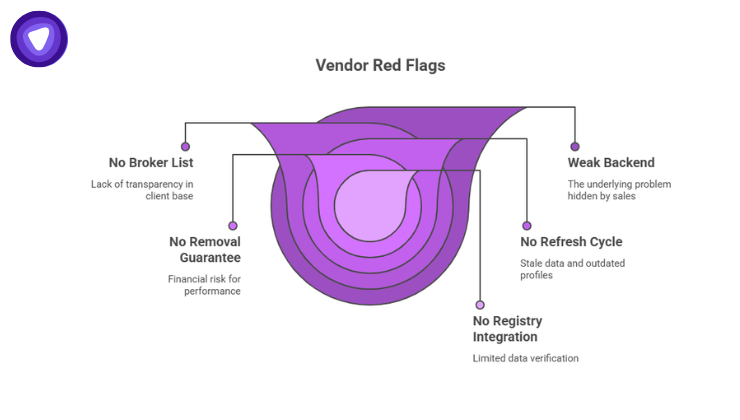
Certain warning signs point to a weak backend hiding behind a strong sales pitch.
- The vendor cannot provide a specific, current broker list on request
- There is no documented refresh cycle for rechecking previously removed profiles
- Pricing is based only on seats sold, with no removal performance guarantee
- The vendor shows no integration with DROP or other state registries
- Support runs only through generic ticket queues with no defined response time
None of these issues show up during a sales demo. They surface three months later, when customers start asking questions your support team cannot answer.
Where PureVPN Fits Into This
PureVPN’s white label VPN solution applies the same operational standards the company uses across its VPN infrastructure. That means documented broker coverage, API-based account provisioning, and support built specifically for reseller teams, not just end users. Partners get visibility into removal status through the dashboard itself, rather than working around a black box.
For a brand comparing vendors against everything above, pairing network reliability with privacy tooling under one partner has a clear edge. It cuts down on the number of integrations a reseller has to manage. That operational simplicity ends up mattering as much as the raw removal rate. Fewer moving parts means fewer places for something to break.
Closing Thoughts
Choosing a data broker removal partner comes down to what happens after the contract is signed. The sales page promises rarely tell the full story. Coverage, refresh cycles, API depth, and support responsiveness decide the outcome. They determine whether customers see real results or a dashboard that looks active while doing very little. Vendors who can show their work on all four points are worth a long-term reseller relationship.