

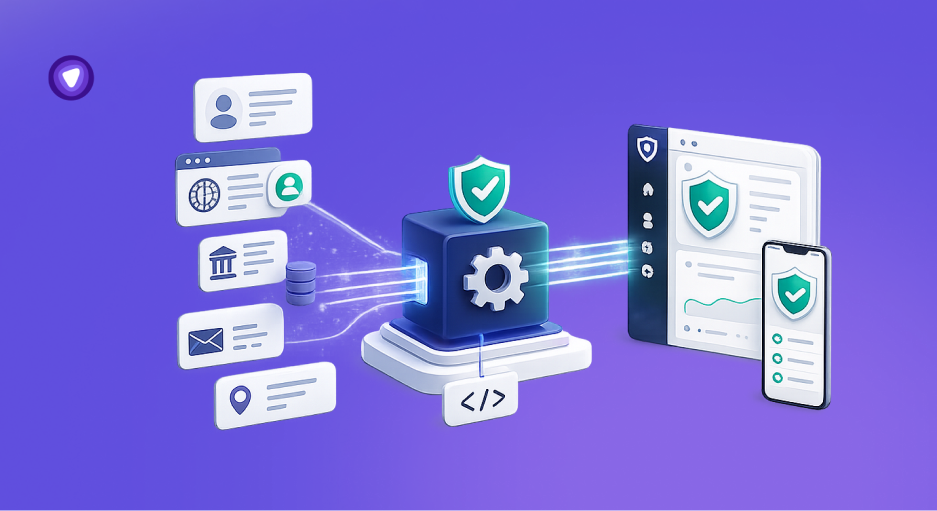
- White Label Model: White label data broker removal allows businesses to offer branded privacy services without building infrastructure or managing data broker networks.
- Data Broker Exposure: Data brokers collect and distribute personal information such as names, phone numbers, emails, and addresses across multiple databases.
- Ongoing Process: Data removal is continuous because exposed personal information can reappear as broker databases update.
- Rising Demand: Demand is increasing due to privacy risks, identity fraud, phishing attacks, and large-scale data exposure incidents.
- Business Opportunity: VPN providers, cybersecurity firms, and identity protection platforms can expand revenue by offering white label data broker removal services.
The business of collecting and selling personal information operates largely behind the scenes, but its impact is visible everywhere. Data brokers aggregate information from public records, online activity, marketing databases, and commercial sources, creating profiles that often contain names, phone numbers, addresses, family relationships, and other personal details.
For consumers, this creates growing concerns around privacy, identity fraud, phishing attacks, and unwanted exposure. For businesses, it creates a significant market opportunity. Demand for services that identify and remove personal information from data broker databases continues to grow, driving interest in white label data broker removal solutions.
These platforms allow companies to launch branded privacy services quickly without investing in the complex infrastructure required to discover, monitor, and remove data across hundreds of broker networks.
Understanding Data Brokers
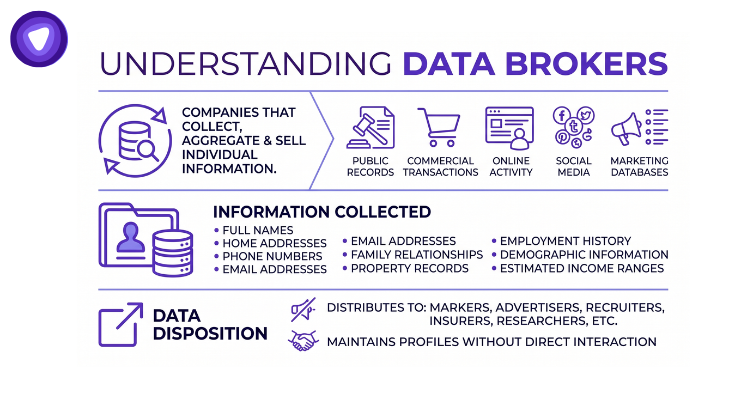
Data brokers are companies that collect, aggregate, and sell information about individuals from public records, commercial transactions, online activity, social media platforms, marketing databases, and other sources.
The information collected often includes:
- Full names
- Home addresses
- Phone numbers
- Email addresses
- Family relationships
- Property records
- Employment history
- Demographic information
- Estimated income ranges
Data brokers package and distribute this information to marketers, advertisers, recruiters, insurers, researchers, and other organizations.
While much of this data collection operates within legal frameworks, consumers increasingly object to how accessible their personal information has become.
Data brokers can maintain extensive profiles on millions of individuals, often without direct interaction with the people whose information they collect.
Why Data Broker Removal Is Becoming a High-Demand Service
Privacy concerns have moved beyond niche audiences.
Consumers are becoming more aware of how personal information circulates online and how exposed data contributes to fraud, phishing, and identity theft.
According to the Federal Trade Commission, consumers reported losing more than $12.5 billion to fraud in 2024, representing a 25% increase compared to the previous year.
Many fraud attempts begin with information gathered from publicly accessible sources, including data broker databases.
At the same time, demand for privacy services continues to grow.
Data compromises triggered more than 1.7 billion victim notices during 2024, demonstrating the scale at which personal information continues to be exposed.
As awareness increases, consumers are seeking solutions that help reduce their public digital footprint.
What Is Data Broker Removal?
Data broker removal is the process of identifying personal information stored by data brokers and submitting opt-out or removal requests to those organizations.
The process generally includes:
- Discovering where personal information appears
- Identifying data broker websites maintaining records
- Submitting removal requests
- Verifying successful removals
- Monitoring for reappearance
- Repeating removal actions when necessary
The challenge is scale.
There are hundreds of data brokers operating across different jurisdictions and industries. Each company maintains different removal procedures, requirements, verification methods, and review timelines.
Manual removal can take dozens of hours for a single consumer and requires continuous monitoring because data frequently reappears.
What Makes It White Label?
White label data broker removal allows businesses to offer privacy protection services under their own brand while a specialized provider handles the underlying technology, infrastructure, monitoring, and removal operations.
Customers interact with your brand, dashboard, and customer experience.
Behind the scenes, the white label provider manages:
- Data broker discovery
- Automated removal workflows
- Monitoring systems
- Compliance processes
- Removal verification
- Reporting infrastructure
This approach enables businesses to launch privacy services quickly without building a dedicated removal platform.
White Label vs Building In-House
| Factor | White Label Solution | In-House Development |
| Time to Market | Weeks | Months or years |
| Infrastructure Costs | Lower | High |
| Data Broker Relationships | Included | Must be established |
| Maintenance | Provider managed | Internal responsibility |
| Compliance Updates | Provider managed | Internal responsibility |
| Scalability | Immediate | Requires expansion efforts |
For most businesses, the white label model reduces operational complexity while accelerating revenue opportunities.
How White Label Data Broker Removal Works
Although implementations vary, most platforms follow a similar workflow.
Step 1: Customer Enrollment
Users sign up through the business’s branded platform.
They provide identifying information required to locate records across data broker databases.
Step 2: Data Discovery
The system scans participating broker networks and identifies exposed records.
These records are matched against customer information to determine exposure levels.
Step 3: Removal Requests
Automated workflows submit removal requests according to each broker’s specific requirements.
This eliminates manual submission work.
Step 4: Verification
The platform verifies whether records were successfully removed.
Failed removals are flagged for additional processing.
Step 5: Continuous Monitoring
Many data brokers regularly refresh their databases.
Ongoing monitoring ensures that previously removed records do not return unnoticed.
Step 6: Reporting
Customers receive visibility into:
- Records found
- Records removed
- Pending removals
- Monitoring status
- Privacy risk levels
This creates measurable value that customers can easily understand.
Businesses That Benefit Most From Offering Data Broker Removal
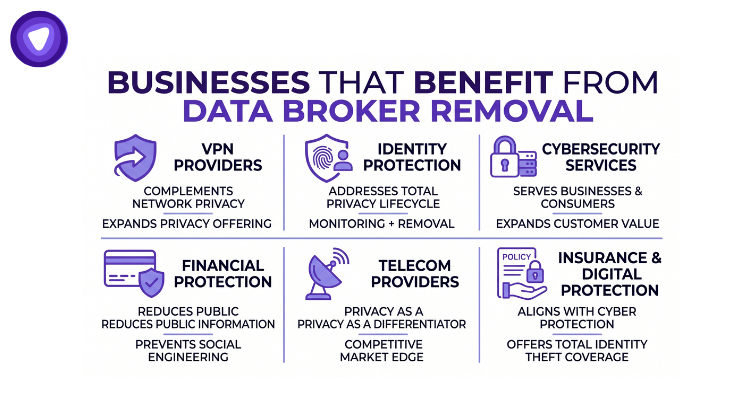
White label data broker removal aligns naturally with several industries.
VPN Providers
VPN users are already privacy-conscious.
Removing exposed personal information complements network privacy protection and creates a broader privacy offering.
Identity Protection Companies
Identity monitoring and data broker removal address different stages of the privacy lifecycle.
Monitoring identifies risks while removal reduces exposure.
Cybersecurity Service Providers
Managed security providers increasingly serve both businesses and consumers.
Adding privacy services expands customer value and recurring revenue.
Financial Protection Platforms
Fraud prevention initiatives benefit from reducing publicly available personal information.
Less exposed data means fewer opportunities for social engineering attacks.
Telecom Providers
Consumer privacy services have become a differentiator in highly competitive telecommunications markets.
Insurance and Digital Protection Services
Privacy protection services fit naturally alongside cyber protection products and identity theft coverage offerings.
Key Benefits for Businesses
Launching a white label data broker removal service creates advantages beyond product expansion.
Faster Market Entry
Building a removal infrastructure from the ground up requires engineering resources, legal expertise, broker relationships, and continuous maintenance.
White label platforms eliminate most of that complexity.
Recurring Revenue Opportunities
Privacy services are typically subscription-based.
This creates predictable recurring revenue rather than one-time purchases.
Strong Customer Retention
Customers who actively monitor their privacy status tend to remain engaged longer than users of single-purpose products.
Product Differentiation
Many businesses offer VPNs, monitoring tools, or cybersecurity services.
Fewer provide active data broker removal capabilities.
That distinction can strengthen market positioning.
Higher Customer Lifetime Value
Privacy services create opportunities for bundled offerings that increase overall customer value.
The Technology Behind Modern Data Broker Removal Platforms
Modern removal platforms rely heavily on automation.
Core technologies often include:
- Automated data discovery engines
- Record matching systems
- Identity verification workflows
- Monitoring infrastructure
- Compliance management tools
- Reporting dashboards
- Removal orchestration systems
Automation is essential because manual processing cannot efficiently manage hundreds of brokers and thousands of customer records.
Consumer privacy expectations continue to rise globally, increasing pressure on organizations to provide practical privacy controls and visibility.
Businesses entering this market require infrastructure capable of operating at scale from day one.
Challenges Businesses Should Consider
White label data broker removal is attractive, but several operational factors deserve attention.
Data Broker Diversity
Every broker maintains unique opt-out procedures.
Processes change frequently and require continuous updates.
Ongoing Monitoring Requirements
Data removal is not a one-time activity.
Information often reappears through new data sources and broker partnerships.
Regulatory Considerations
Privacy regulations continue evolving across regions.
Providers must maintain processes that align with applicable privacy requirements.
Customer Expectations
Customers expect visible results and clear reporting.
Strong transparency is essential for trust and retention.
The right white label partner helps address these challenges through established infrastructure and operational expertise.
Expanding Privacy Services with a White Label Solution
For businesses already operating in cybersecurity or privacy markets, data broker removal fits naturally alongside existing offerings.
A VPN protects online activity from interception and tracking.
Identity monitoring alerts users when personal information appears in breaches.
Data broker removal reduces the amount of personal information publicly available in the first place.
Together, these services create a more complete privacy ecosystem.
Businesses can expand beyond a single security product and offer customers a broader approach to digital privacy protection.
How PureVPN’s White Label VPN Solution Supports Privacy-Focused Businesses
Businesses looking to expand their privacy offerings often face a common challenge: launching new services without investing significant resources into infrastructure development, ongoing maintenance, and operational management.
PureVPN’s white label VPN solution helps organizations enter the privacy and cybersecurity market under their own brand while reducing the complexity traditionally associated with building privacy-focused products from scratch. This enables businesses to focus on customer acquisition, branding, and growth rather than backend development.
As consumer demand for privacy services continues to increase, combining VPN protection with complementary offerings such as identity protection, data exposure monitoring, and data broker removal creates a stronger value proposition. A white label approach allows businesses to build that ecosystem faster while maintaining full ownership of the customer experience.
Final Thoughts
Personal information has become one of the most widely distributed assets on the internet. Data broker removal addresses a growing consumer concern by reducing the visibility of sensitive information across public databases and people-search platforms.
For businesses, offering this capability creates new revenue opportunities, strengthens customer retention, and expands privacy product portfolios. White label deployment removes much of the operational burden, allowing organizations to deliver meaningful privacy protection under their own brand while responding to a rapidly growing market demand.