

- Consumers are increasingly willing to pay for privacy features as data protection becomes a key factor in digital trust and purchase decisions
- VPNs and other privacy tools are shifting from optional utilities to mainstream paid services due to rising awareness of data risks
- Users value privacy outcomes such as reduced tracking, secure public Wi-Fi usage, and greater control over personal data more than technical features
- Free privacy tools often fall short due to limitations like ads, slower performance, and trust concerns, increasing demand for paid alternatives
- Businesses can monetize this demand through models like a white label VPN solution, turning privacy into a scalable revenue opportunity
Privacy only becomes real to users when something feels off, like an unfamiliar login alert, cross-device tracking ads, or exposed data on public Wi-Fi. At that point, privacy stops being a hidden setting and becomes a visible product experience that directly affects trust and purchase decisions.
For digital businesses, this shift is important. Users are no longer asking if privacy exists, but whether it is strong enough to justify paying for. This creates a direct opportunity for a white label VPN solution, where privacy moves from a background feature to a core revenue driver.
Privacy Is Becoming a Purchase Decision
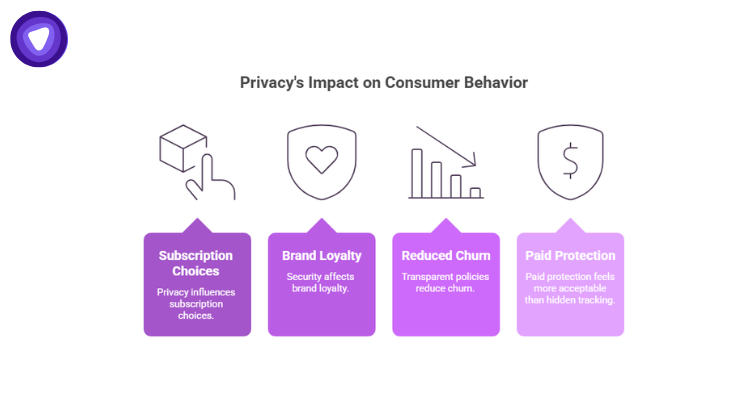
Consumer behavior shows a clear pattern. People increasingly connect privacy practices with brand trust.
Cisco’s survey found that 75% of consumers said they would not buy from organizations they do not trust with their personal data.
That number reflects a deeper shift in digital buying behavior:
- Privacy influences subscription choices
- Security affects brand loyalty
- Transparent policies reduce churn
- Paid protection feels more acceptable than hidden tracking
For years, companies assumed users wanted free services above everything else. That assumption is weakening. Many users now understand that “free” often means their data becomes the product.
That creates room for premium privacy services.
Users Already Pay for Digital Protection
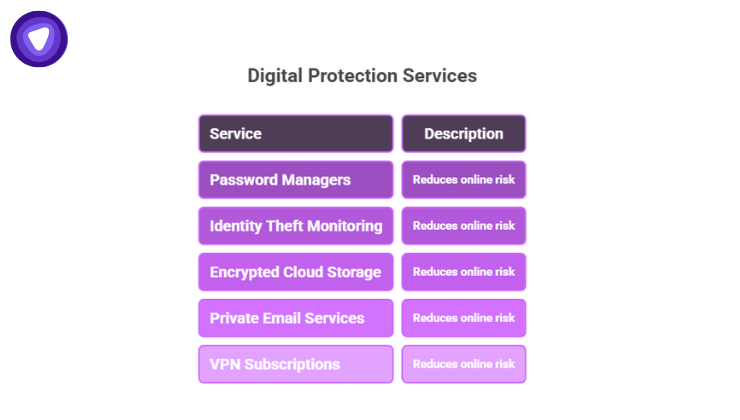
Consumers already spend money on services that reduce online risk.
Examples include:
- Password managers
- Identity theft monitoring
- Encrypted cloud storage
- Private email services
- VPN subscriptions
VPN adoption continues to grow because users see a direct relationship between privacy and personal control. Recent market tracking shows that about 23% of global internet users now use a VPN for part of their online activity.
That figure matters because it signals mainstream acceptance. VPNs are no longer niche tools for technical users. They are becoming standard consumer privacy products.
When consumers already understand the value of VPNs, businesses can enter the market faster with a white label VPN solution instead of building infrastructure from scratch.
What Consumers Are Actually Paying For
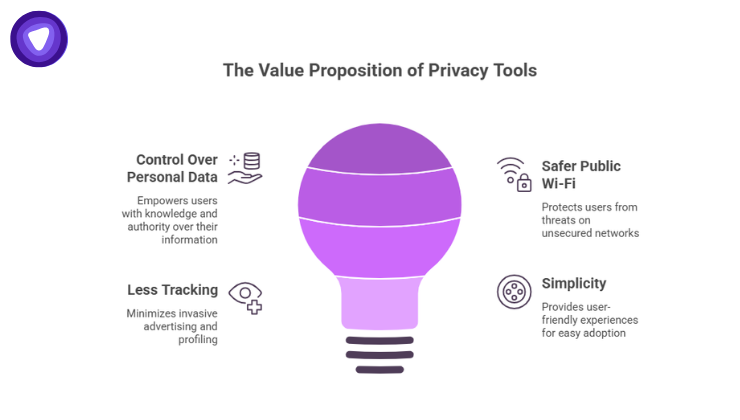
Consumers are not paying for encryption alone.
They pay for what encryption represents.
1. Control Over Personal Data
Users want to know:
- Who collects their data
- Where it is stored
- How long it remains accessible
- Who can sell it
Privacy tools reduce uncertainty. That emotional reassurance often drives payment more than the technical feature itself.
2. Safer Public Wi-Fi
Remote work and travel increased dependence on unsecured networks. Consumers now understand that airport, hotel, and café Wi-Fi can expose:
- Login credentials
- Payment details
- Browsing history
- Location data
A VPN offers visible protection in a situation people recognize immediately.
3. Less Tracking
People dislike behavioral advertising that feels invasive.
Many consumers now associate privacy services with:
- Fewer trackers
- Reduced profiling
- Less behavioral targeting
- More anonymous browsing
4. Simplicity
Consumers pay more for tools that feel simple.
A privacy product that requires technical knowledge creates friction. A branded service that works instantly increases conversions.
That is why businesses using a white label VPN solution often focus on user experience as much as security.
Why Free Privacy Products Have Limits
Free privacy tools attract users quickly, but they rarely build long-term trust.
Consumers have learned that free VPNs may come with tradeoffs:
| Free Service Concern | Consumer Reaction | Business Impact |
| Ads inside app | Reduced trust | Lower retention |
| Data logging concerns | Fear of misuse | Brand damage |
| Slower performance | Frustration | Higher churn |
| Limited support | Poor experience | Weak loyalty |
It was reported in 2025 that nearly 1 in 4 users still rely on free VPNs despite known risks, showing price matters, but so does trust.
The larger opportunity sits with users who are willing to pay for a cleaner experience.
Businesses that deliver privacy without compromise can position premium protection as a trusted service.
Younger Users Value Privacy More Than Before
Younger digital consumers often show stronger privacy expectations.
They grew up with:
- Social platform tracking
- App permissions
- Location sharing
- Targeted advertising
That constant exposure made them more aware of data collection.
Cisco’s survey also found privacy awareness continues to rise globally, with 53% of consumers now aware of privacy laws in their country.
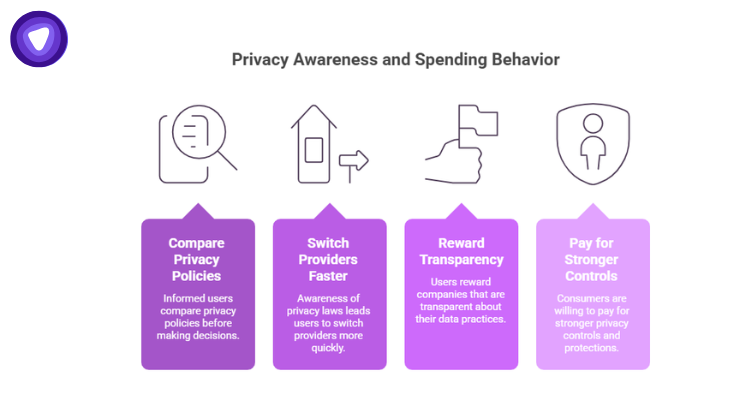
Awareness changes spending behavior because informed users tend to:
- Compare privacy policies
- Switch providers faster
- Reward transparency
- Pay for stronger controls
For digital brands, privacy is becoming part of customer acquisition, not just compliance.
Privacy as a Revenue Model
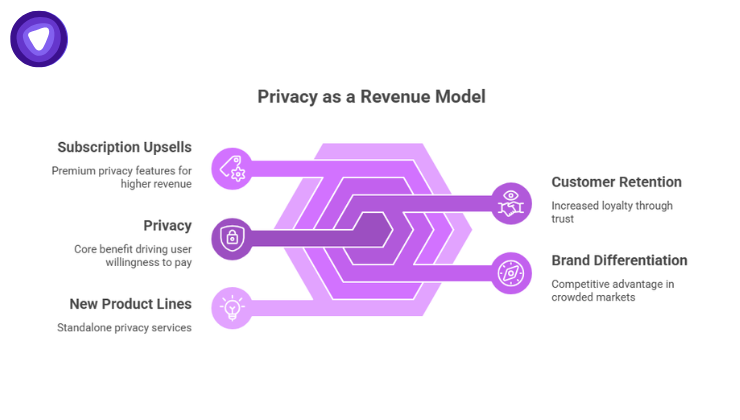
Businesses traditionally treated security as a cost center. That view is changing. Privacy can now support revenue through:
Subscription Upsells
Offer premium privacy tiers with:
- Dedicated IPs
- Stronger encryption
- Multi-device support
- Secure browsing tools
Customer Retention
Users stay longer when they trust the platform.
Brand Differentiation
Privacy creates separation in crowded markets.
New Product Lines
Companies can sell privacy as a standalone service under their own brand.
This is where a white label VPN solution becomes commercially attractive. It allows businesses to monetize privacy without investing years into infrastructure development.
Which Industries Benefit Most
Several industries can directly benefit from consumer willingness to pay for privacy.
Telecom Providers
ISPs can add privacy subscriptions to internet plans.
SaaS Companies
Platforms can bundle secure browsing into premium plans.
Financial Services
Banks can offer secure browsing tools for account holders.
Travel Platforms
Travel apps can provide protected connections abroad.
Cybersecurity Brands
Security companies can expand into consumer privacy.
In each case, the same pattern appears. Users are willing to pay when privacy feels relevant to their daily activity.
What Makes Consumers Trust a Paid Privacy Product
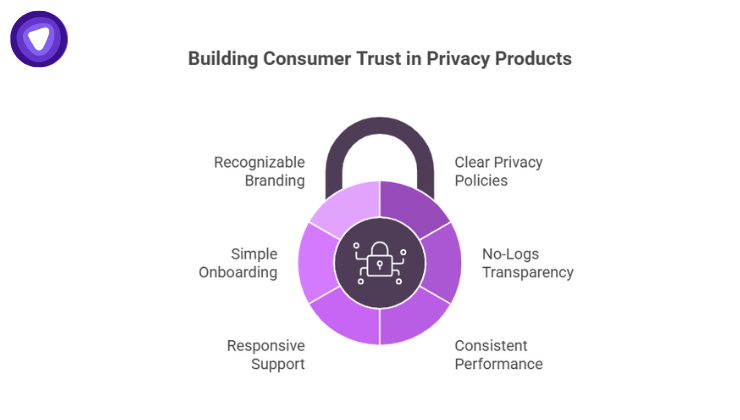
Price alone does not drive adoption. Consumers pay when they see credibility. Trust usually depends on:
- Clear privacy policies
- No-logs transparency
- Consistent performance
- Responsive support
- Simple onboarding
- Recognizable branding
A poorly positioned privacy product can fail even with strong technology.
A strong white label VPN solution must combine security with trust signals that consumers understand quickly.
Why Timing Matters
Privacy demand is not slowing as governments introduce stronger privacy regulations, stricter app store rules, and more transparency requirements. At the same time, consumers are becoming more selective about who handles their data, which is pushing privacy from an optional feature to an expected standard.
Businesses entering the market early can build trust and position themselves ahead of the curve before privacy becomes a baseline requirement across digital services.
Where PureVPN White Label VPN Solution Fits
For businesses that want to enter this space quickly, PureVPN offers a white label VPN solution that helps brands launch a privacy service under their own identity without building the backend themselves.
It gives companies access to secure infrastructure, global server coverage, and centralized management while keeping the customer relationship under the business’s own brand.
For companies watching consumer demand for privacy rise, that creates a faster path to turning privacy into a revenue-generating service instead of a technical burden.
Final Thoughts
Consumers no longer see privacy as an invisible technical layer.
They see it as something worth choosing.
They reward businesses that protect data responsibly. They leave brands that treat privacy as an afterthought. And increasingly, they pay for services that give them greater control online.
That shift creates a real opening for companies that want to offer trusted privacy products. A well-positioned white label VPN solution can help businesses meet that demand with a service consumers already understand, value, and increasingly expect to pay for.