

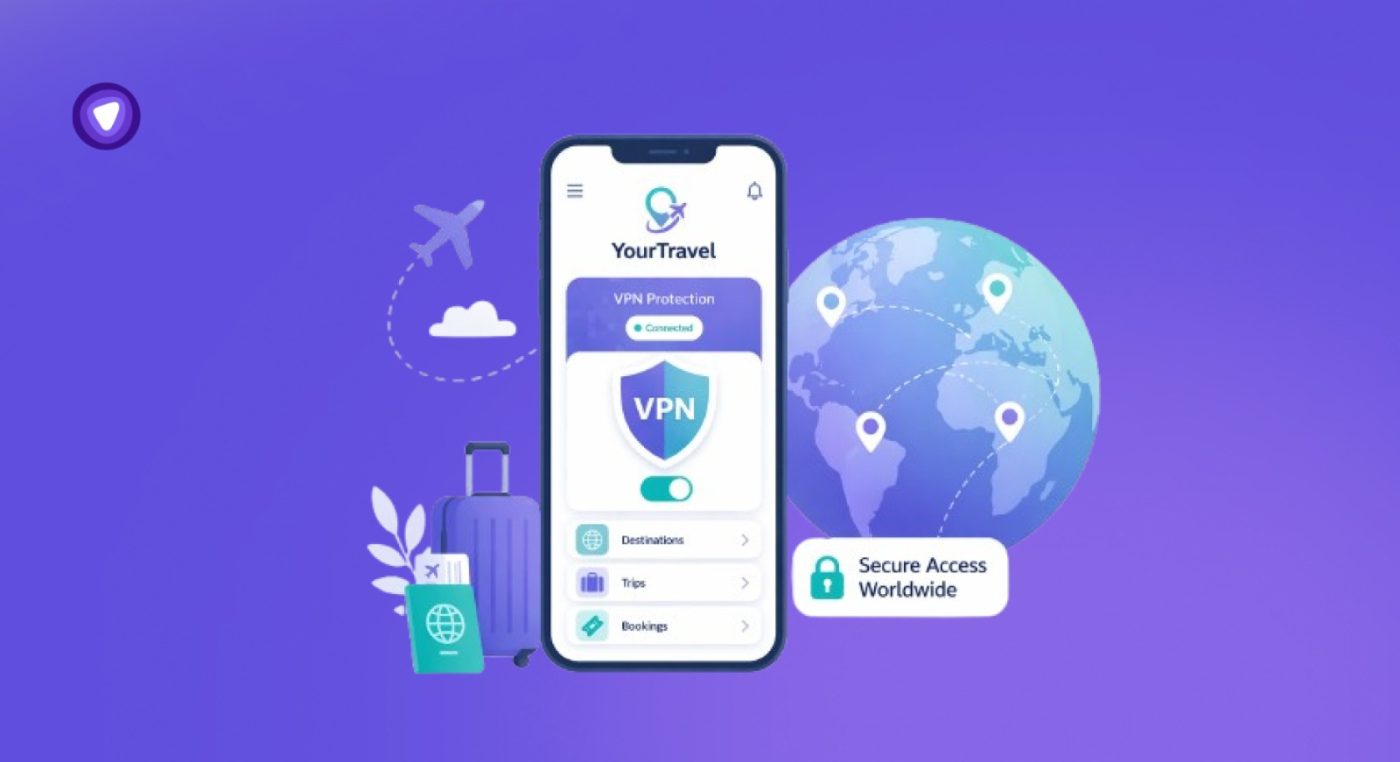
- A white label VPN for travel apps embeds secure connectivity directly into the app, ensuring users get consistent access across global networks without needing separate VPN tools.
- Travel apps face major challenges like unstable public Wi-Fi, regional restrictions, and inconsistent API performance, all of which impact user experience and trust.
- Integrating a white label VPN improves security by encrypting user data and protecting transactions, especially on public or unsecured networks.
- It also enhances performance by stabilizing connections, reducing region-based disruptions, and improving access to global services within the app.
- For travel platforms, it increases user retention, strengthens brand trust, and creates opportunities for premium security-based features and services.
A booking fails at checkout, not because of the app, but because the network silently blocks a payment request. A map takes longer to load in one country than another. A user logs in from airport Wi-Fi and unknowingly exposes session data. These are not edge cases for travel apps. They are daily friction points that directly affect retention, trust, and revenue.
For platforms operating across regions, connectivity is not just a backend concern. It shapes how users experience reliability. A white label VPN for travel apps shifts this from an external dependency to a built-in layer, giving travel platforms control over secure access, consistent performance, and user trust across unpredictable global networks.
Why Travel Apps Face Unique Connectivity Challenges
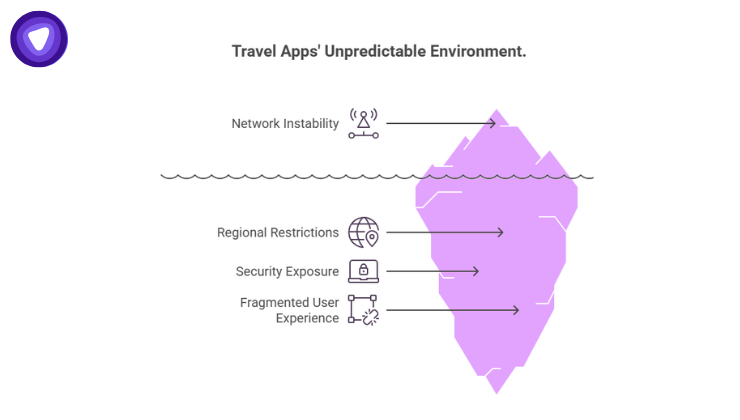
Travel apps operate in one of the most unpredictable environments in software. Unlike local services, they depend on global consistency across fragmented infrastructure.
Network instability across regions
Users frequently switch between:
- Airport Wi-Fi networks
- Hotel connections
- Mobile data roaming
Each network has different security standards and performance levels.
Regional restrictions and access limitations
Certain services, APIs, or content layers behave differently depending on location. Payment gateways, mapping services, and booking APIs may trigger restrictions or latency issues.
Security exposure on public networks
Public Wi-Fi remains one of the most common entry points for data interception. According to a 2024 report, over 25 percent of travelers have experienced a security issue while using public Wi-Fi. This directly impacts trust in digital services.
Fragmented user experience
When connectivity fails, users do not separate network issues from app performance. The travel app gets blamed for slow loading, failed transactions, or blocked content.
What a White Label VPN Adds to Travel Apps
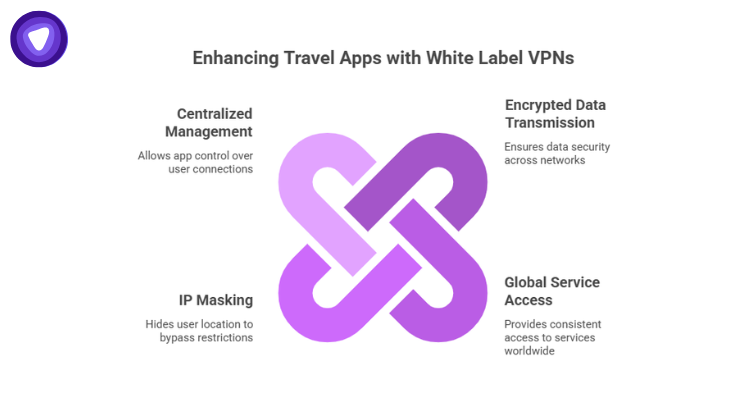
A white label VPN for travel apps embeds secure connectivity directly into the application under the app’s own brand. It removes reliance on third-party tools and gives the platform full control over how users connect.
Core capabilities
- Encrypted data transmission across all networks
- Stable access to global services regardless of region
- IP masking to reduce location-based restrictions
- Centralized connection management within the app
Instead of asking users to install a separate VPN, the app itself ensures secure and consistent access.
The Shift Toward Built-In Security
Users no longer treat security as optional. It has become part of the expected experience.
- A 2023 IBM report found the average cost of a data breach reached $4.45 million, highlighting the financial impact of weak infrastructure.
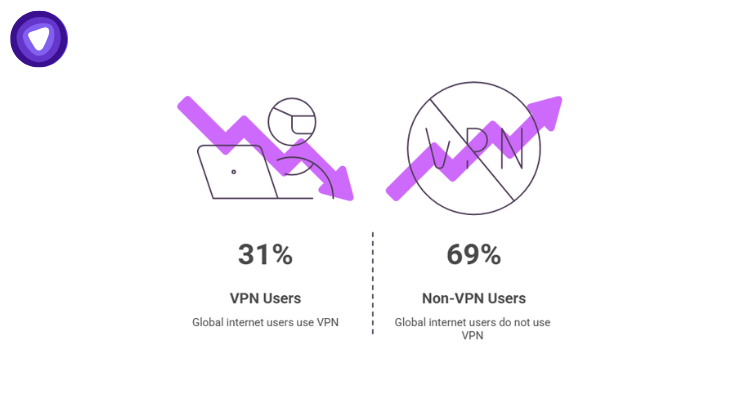
- Statista data from 2024 shows that over 31 percent of global internet users use a VPN regularly or occasionally.
- A cybersecurity study reported that public Wi-Fi attacks continue to rise in high-traffic travel hubs.
These trends show a clear pattern. Users are already aware of risks, and many take action independently. Travel apps that integrate security directly reduce friction and improve retention.
How White Label VPN Improves Travel App Performance
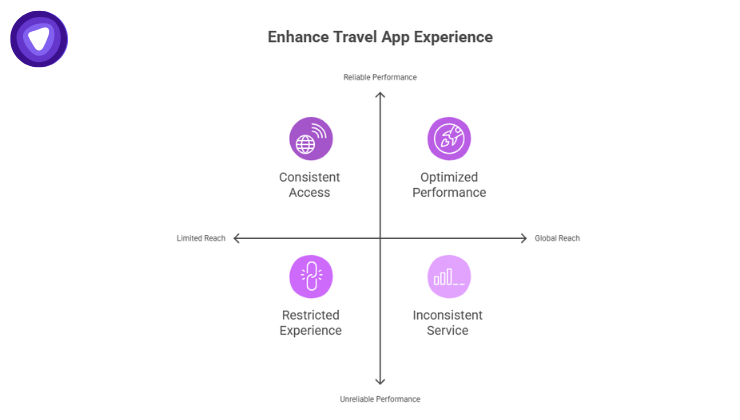
Security is one part of the equation. Performance and reliability are equally critical.
Consistent global access
A white label VPN for travel apps routes traffic through optimized servers. This stabilizes connections when users move between regions.
Reduced API failures
Many APIs respond differently based on geographic location. VPN routing helps maintain consistent responses, especially for:
- Booking engines
- Payment gateways
- Location-based services
Improved load times in restricted regions
In regions with throttled or filtered networks, VPN routing can improve access speed by bypassing inefficient routes.
Session continuity
Users can maintain active sessions without repeated logins or disruptions when switching networks.
Technical Architecture of a White Label VPN Integration
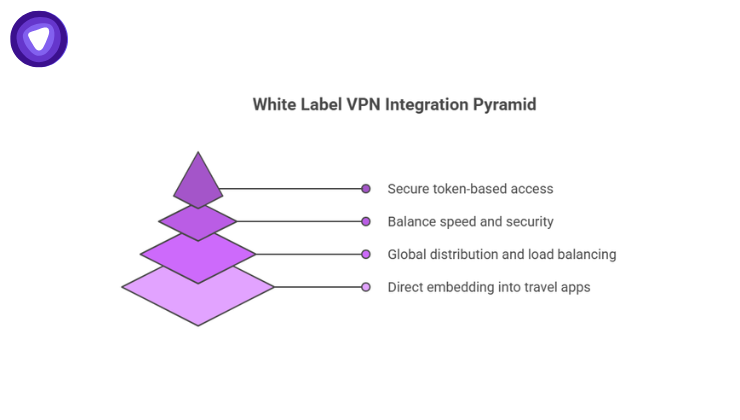
From a development perspective, integrating a VPN into a travel app involves several layers.
SDK or API-based integration
Most providers offer SDKs that allow direct embedding into mobile or web applications. This enables:
- One-tap connection within the app
- Automated server selection
- Background connection handling
Server infrastructure
Global server distribution is critical. A reliable white label VPN for travel apps requires:
- Multiple geographic server locations
- Load balancing
- Redundancy for uptime
Encryption protocols
Modern VPN implementations use protocols such as:
- WireGuard
- OpenVPN
- IKEv2
These protocols balance speed and security depending on user conditions.
User authentication and session management
VPN access is tied to the app’s authentication system, ensuring:
- Seamless login experience
- Secure token-based access
- Minimal user intervention
Key Use Cases in Travel Apps
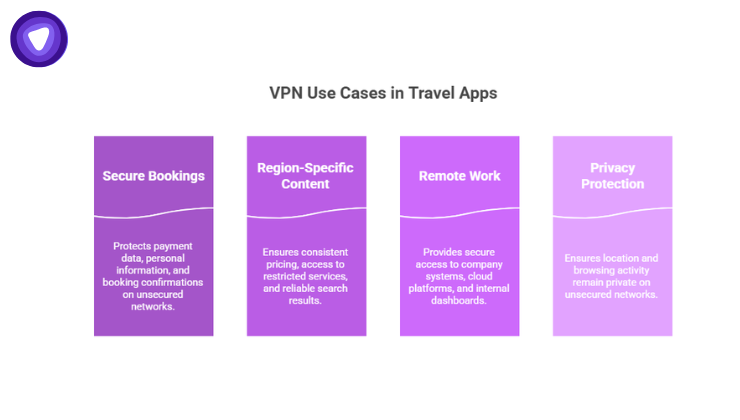
A white label VPN for travel apps supports multiple real-world scenarios that directly affect user experience.
Secure bookings and payments
Travelers often make transactions on unsecured networks. VPN integration protects:
- Payment data
- Personal information
- Booking confirmations
Access to region-specific content
Some travel features depend on localized data. VPN routing ensures:
- Consistent pricing visibility
- Access to restricted services
- Reliable search results
Remote work during travel
With remote work increasing, many travelers rely on secure access to:
- Company systems
- Cloud platforms
- Internal dashboards
Travel apps that include VPN capabilities can support this need directly.
Privacy protection
Users expect their location and browsing activity to remain private. VPN integration ensures data is not exposed on unsecured networks.
Comparison: Traditional vs VPN-Enabled Travel Apps
This comparison shows how connectivity directly influences both performance and perception.
| Feature | Traditional Travel App | VPN-Enabled Travel App |
| Data encryption | Limited | End-to-end encryption |
| Public Wi-Fi protection | None | Built-in |
| Global content consistency | Variable | Stable |
| API reliability | Region-dependent | Optimized routing |
| User trust | Moderate | Higher |
| App differentiation | Low | Strong |
Business Impact for Travel Platforms
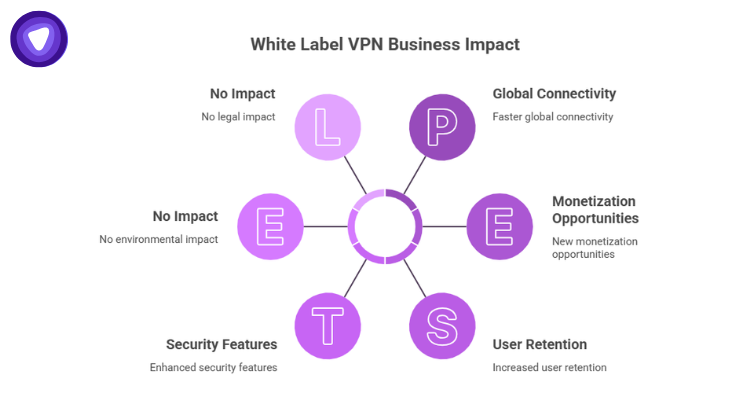
Beyond technical improvements, integrating a white label VPN for travel apps affects business outcomes.
Increased user retention
Users prefer apps that work consistently across regions. Reliable access reduces drop-offs during travel.
Stronger brand trust
Security built into the app signals reliability. Users associate the app with safety and stability.
New monetization opportunities
Travel apps can offer premium tiers that include:
- Enhanced security features
- Dedicated server access
- Faster global connectivity
Reduced support overhead
Fewer connectivity issues lead to:
- Lower customer complaints
- Reduced troubleshooting
- Improved operational efficiency
Implementation Considerations
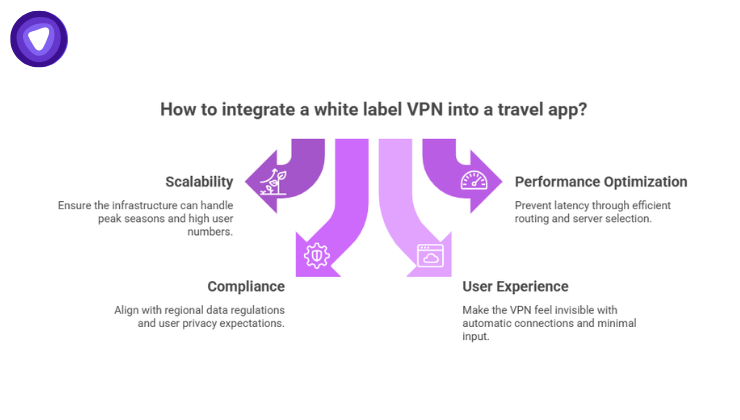
Before integrating a white label VPN for travel apps, several factors need attention.
Scalability
The infrastructure must handle:
- Peak travel seasons
- High concurrent users
- Global traffic distribution
Performance optimization
VPN routing should not introduce latency. Efficient server selection and protocol management are essential.
Compliance and data handling
Different regions have varying data regulations. The VPN architecture must align with:
- Data storage policies
- User privacy expectations
User experience design
The VPN should feel invisible. Key design principles include:
- Automatic connection options
- Minimal user input
- Clear status indicators
Where PureVPN White Label VPN Solution Fits
Travel apps looking to integrate secure connectivity without building infrastructure from scratch can rely on solutions like PureVPN’s white label offering. It provides ready-to-deploy VPN capabilities that can be embedded directly into the app environment, allowing platforms to maintain full control over branding and user experience.
The solution supports global server coverage, modern encryption protocols, and scalable architecture designed for applications with distributed user bases. This makes it suitable for travel platforms that need consistent performance across regions while ensuring secure access for users on any network.
Closing Perspective
Travel apps operate in a space where connectivity defines the experience as much as features do. Users expect instant access, secure transactions, and consistent performance regardless of location. When those expectations are not met, the app loses credibility.
A white label VPN for travel apps addresses these challenges at the infrastructure level. It transforms security into a built-in function and stabilizes access across regions. Instead of reacting to connectivity issues, travel platforms can prevent them entirely.
As travel becomes more digital and globally distributed, embedded connectivity solutions will move from optional to essential. The apps that adapt early will set the standard for reliability, security, and user trust.