


- White Label VPN Overview: Platforms allow businesses to offer branded VPN services without building infrastructure from scratch.
- Business Benefits: Reduces costs, accelerates market entry, and lets companies focus on branding and customer experience.
- Niche Opportunities: Specialized VPN services are emerging for gamers, remote teams, and regional audiences.
- Security Focus: Reliable performance and privacy remain critical, with users prioritizing secure connections.
- Industry Impact: White label VPN expands the market, increases competition, and enables more brands to deliver privacy services globally.
The VPN industry once belonged mostly to companies that built their own infrastructure, apps, billing systems, and networks. The cost and technical complexity kept many businesses out of the market.
That model is changing.
White label VPN platforms now allow companies to launch branded VPN services without building the technology from scratch. Media companies, telecom providers, cybersecurity firms, and SaaS startups are entering the space through these solutions.
As a result, the VPN industry is shifting from a market dominated by a few providers to a broader ecosystem where brands deliver privacy services tailored to specific audiences.
The VPN Industry Is Expanding Rapidly
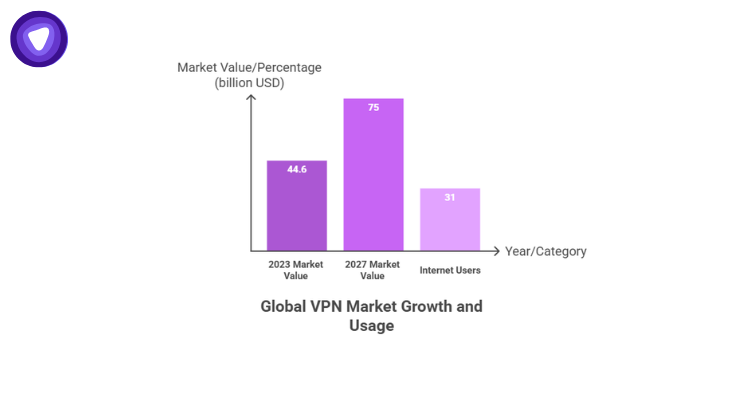
Demand for privacy and secure internet access continues to grow across the world. Increased data collection, stricter digital regulations, and remote work have pushed individuals and organizations to adopt VPN technology at a much higher rate.
The global VPN market was valued at $44.6 billion in 2023 and is projected to reach over $75 billion by 2027. This expansion is not limited to individual consumers. Businesses now rely heavily on VPN services for remote access, data protection, and network security.
Several trends are driving this growth:
- Remote and hybrid work models
- Rising awareness of online privacy risks
- Increased internet censorship in several regions
- Expansion of streaming and global content platforms
- Data security concerns for distributed teams
A study reported that 31% of internet users worldwide now use a VPN, either occasionally or regularly.
As demand grows, more companies are exploring ways to enter the VPN market. White label VPN platforms provide a faster and more efficient path.
What Is a White Label VPN?
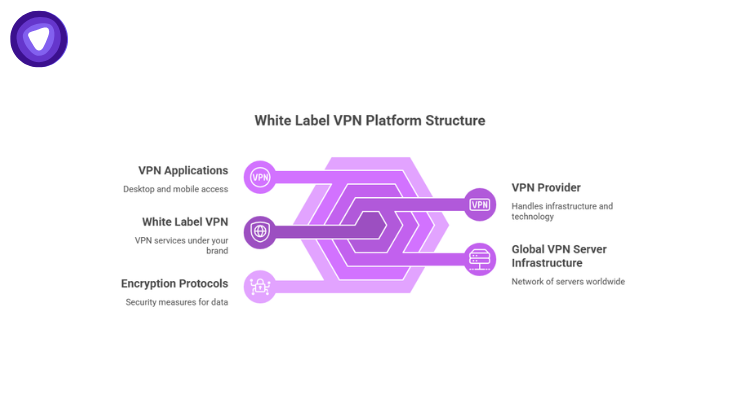
A white label VPN allows businesses to offer VPN services under their own brand while the underlying infrastructure is provided by a specialized VPN provider.
The core technology already exists. Businesses customize branding, pricing, and customer experience while the provider handles network operations.
Typical components of a white label VPN platform include:
- Global VPN server infrastructure
- VPN applications for desktop and mobile
- Encryption protocols and network management
- Authentication and billing systems
- Technical support infrastructure
This model separates the technology layer from the brand layer.
Instead of building servers across dozens of countries or maintaining security infrastructure, companies focus on branding, distribution, and customer relationships.
The result is a faster path to market with significantly lower development costs.
Why Businesses Are Turning to White Label VPN Solutions
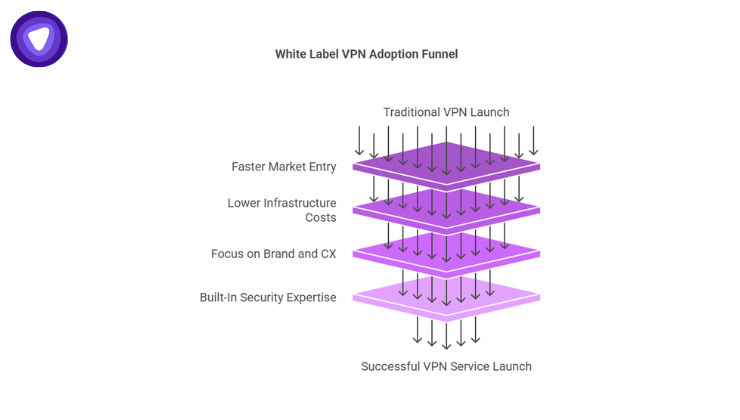
Launching a VPN service traditionally required substantial investment. Infrastructure alone could require millions of dollars in server deployment, network operations, and application development.
White label VPN platforms remove most of that complexity.
Businesses are adopting this model for several practical reasons.
1. Faster Market Entry
Building a VPN platform from the ground up can take years. White label services allow companies to launch much faster.
Many platforms enable businesses to release fully branded VPN applications within weeks instead of months or years.
This speed allows companies to respond quickly to rising demand for privacy tools.
2. Lower Infrastructure Costs
Operating a VPN network requires:
- Global servers
- Network monitoring systems
- Security engineers
- Data center partnerships
- Bandwidth management
These costs can quickly escalate.
White label providers already maintain this infrastructure. Businesses can launch services without managing server networks or engineering teams.
This significantly reduces startup costs.
3. Focus on Brand and Customer Experience
Companies entering the VPN market often already have established audiences.
Examples include:
- Internet service providers
- Cybersecurity companies
- Telecom operators
- Media platforms
- Privacy focused SaaS companies
White label VPN services allow these businesses to focus on what they already do well:
- Brand trust
- Marketing
- Customer relationships
Instead of spending resources on backend development, they deliver privacy services aligned with their audience.
4. Built-In Security Expertise
Security is not something companies can afford to get wrong.
VPN providers spend years refining encryption protocols, infrastructure security, and network performance.
White label platforms allow businesses to rely on established security systems instead of building them independently.
This reduces operational risk while maintaining high security standards.
How White Label VPN Is Transforming the Industry
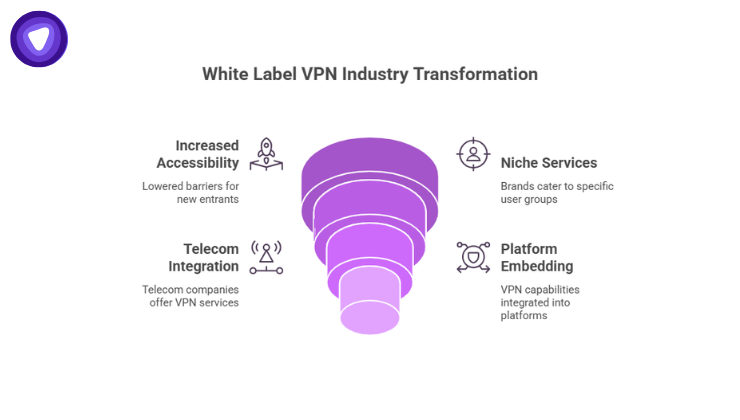
The rise of white label VPN platforms is changing how the industry operates. Instead of a few dominant providers, the ecosystem now includes a diverse range of branded VPN services.
Several key shifts are shaping the market.
The Industry Is Becoming More Accessible
Previously, launching a VPN required deep networking expertise and heavy infrastructure investment.
White label platforms have lowered these barriers.
Smaller companies can now enter the market without building complex technology stacks.
This increased accessibility has expanded the number of VPN services available globally.
Niche VPN Services Are Emerging
Traditional VPN providers target broad audiences. White label VPN services allow brands to serve very specific communities.
Examples include:
- VPN services for gamers
- VPNs designed for remote teams
- privacy tools integrated into productivity software
- VPNs bundled with telecom subscriptions
- regional VPN brands for specific countries
This niche focus helps companies differentiate their services while addressing the needs of specific user groups.
Telecom and ISP Companies Are Entering the Market
Telecommunication providers are increasingly offering privacy services as part of their product portfolio.
A 2024 report noted that privacy and security services are among the fastest growing add-ons in telecom subscriptions.
White label VPN platforms allow telecom companies to introduce VPN services without building new cybersecurity infrastructure.
This integration strengthens customer retention while adding value to existing packages.
VPN Services Are Becoming Part of Larger Digital Platforms
VPN technology is no longer limited to standalone apps.
Companies are embedding VPN capabilities into broader platforms such as:
- Security suites
- Remote work tools
- Cloud services
- Browser extensions
- Mobile applications
White label platforms make this integration easier because the underlying network infrastructure already exists.
Businesses simply connect their branded interface to the existing VPN backend.
Market Opportunities Created by White Label VPN
The expansion of white label VPN services has created new business opportunities across several industries.
Companies are discovering that privacy services can strengthen their core offerings.
| Industry | How White Label VPN Is Used |
| Telecom providers | Offer VPN subscriptions alongside mobile or broadband plans |
| SaaS platforms | Add secure internet access for remote teams |
| Media platforms | Provide privacy protection for streaming users |
| Cybersecurity companies | Expand services beyond antivirus or monitoring tools |
| Startups | Launch branded privacy services without infrastructure investment |
These opportunities are encouraging businesses to treat VPN services as part of their digital product strategy rather than a standalone cybersecurity product.
Security Expectations Are Rising
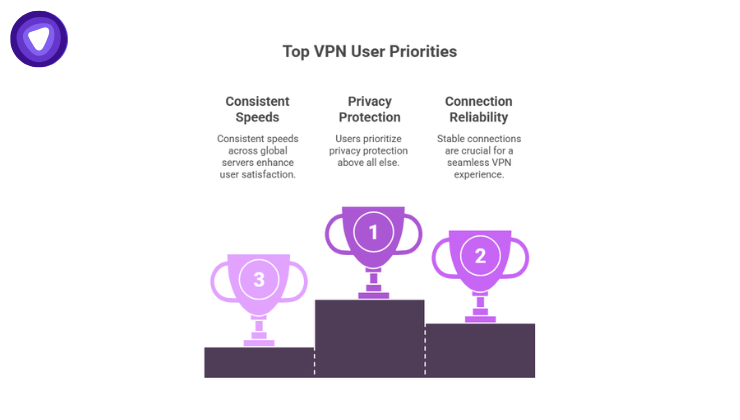
While white label VPN platforms simplify entry into the market, they also raise expectations for reliability and security.
Users now expect VPN services to deliver:
- Stable connections
- Strong encryption protocols
- Transparent privacy policies
- Consistent speeds across global servers
A 2024 survey found that over 68% of VPN users consider privacy protection the most important factor when choosing a service, followed by connection reliability and speed.
Businesses launching VPN services must ensure their white label provider maintains strong infrastructure and clear privacy standards.
The reputation of the brand depends on it.
The Competitive Landscape Is Expanding
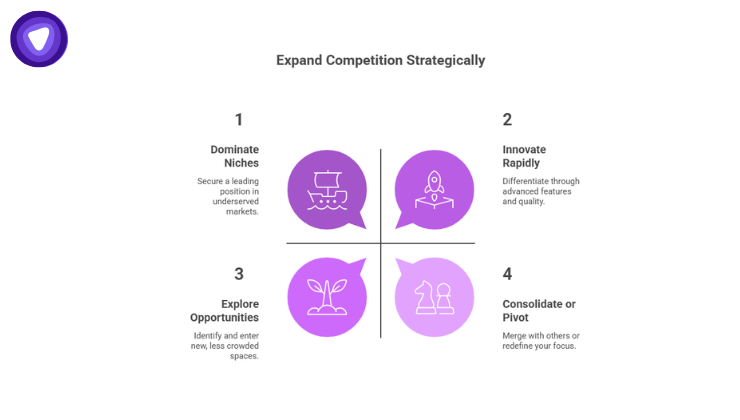
The rise of white label VPN services is increasing competition in the market.
More brands now offer privacy services under their own identity.
However, competition does not only come from traditional VPN companies. It increasingly includes:
- Telecom providers
- Software platforms
- Browser developers
- Security vendors
- Regional technology companies
This broader competition is pushing the entire industry toward higher quality services and more specialized offerings.
The result is greater choice for users and stronger privacy tools overall.
The Role of White Label VPN Platforms in the Future
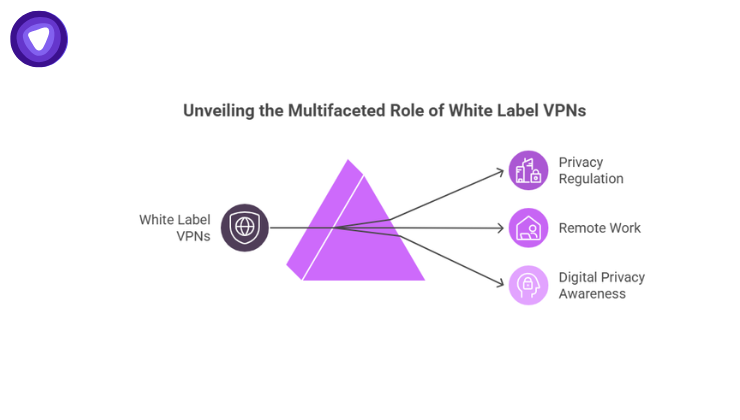
White label VPN services are likely to become a permanent part of the digital privacy ecosystem.
Several long term trends support this direction.
Privacy Regulation Is Expanding
Governments around the world continue to introduce stricter data protection regulations.
Businesses must protect sensitive data and ensure secure connections for remote employees.
VPN technology plays a direct role in meeting these expectations.
Remote Work Is Here to Stay
A 2024 Gartner report estimated that 48% of knowledge workers worldwide will remain remote or hybrid through 2027.
Secure access to corporate systems will remain a major requirement for distributed teams.
VPN services continue to be one of the most widely used solutions for this challenge.
Digital Privacy Awareness Is Increasing
Consumers are becoming more aware of how online platforms collect and store data.
Privacy tools such as VPNs are becoming a standard part of digital security habits rather than niche technologies.
White label platforms allow companies to meet this demand while maintaining control over the customer relationship.
How PureVPN’s White Label VPN Solution Supports This Shift
Businesses entering the VPN market need infrastructure that is reliable, scalable, and easy to integrate with their brand.
The PureVPN White Label VPN solution provides companies with the tools to launch their own VPN services without managing network infrastructure. Businesses receive fully customizable VPN applications, global server coverage, and backend systems that handle authentication, network performance, and service management.
This approach allows companies to focus on building their brand and serving their audience while relying on an established VPN infrastructure.
For organizations looking to expand their digital services with privacy protection, white label VPN platforms offer a practical entry point into a growing industry.
Conclusion
The evolution of white label VPN technology is transforming the industry from a small group of providers into a broader ecosystem of privacy services.
Businesses across telecom, cybersecurity, SaaS, and media sectors are now able to launch VPN services under their own brands. This shift increases accessibility, encourages niche offerings, and expands the availability of privacy tools worldwide.
As demand for secure internet access continues to grow, white label VPN platforms will likely play a central role in how companies deliver digital privacy services in the years ahead.