

- The Robinhood impersonation scam uses a phone number instead of a link, since a call feels more trustworthy and slips past the link-based phishing training most people already know.
- Calling the number connects to a trained scammer, not Robinhood, who pushes for account verification, a one-time passcode, or a fund transfer framed as a security check.
- Receiving the text does not mean an account was breached. Numbers are pulled from old data breaches and sent in bulk regardless of who actually holds a Robinhood account.
- Text scam losses reached $470 million in 2024, more than five times the 2020 figure, with a growing share of reports now resulting in actual financial loss.
- The safest response is to skip the call and the link entirely, then verify account activity only through the official Robinhood app or by manually typing robinhood.com into a browser.
The Robinhood impersonation scam is not a fringe phishing attempt. It is a coordinated campaign built well enough to fool people who consider themselves cautious online. A police department in New Jersey issued a public warning about it. Reddit threads tracked dozens of nearly identical reports within a single week. Cybersecurity outlets have covered it repeatedly since it first surfaced, and coverage is still active well into 2026.
What makes this scam worth examining is not just who it targets. It is how it was built, and what that design says about where digital fraud is heading next.
How the Robinhood Impersonation Scam Works
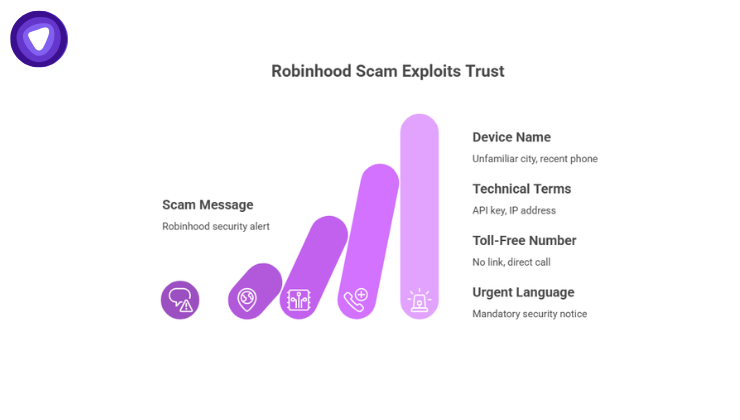
The scam arrives as a text message styled to look like an official Robinhood security alert. It typically warns of a new device login, unauthorized access, or suspicious account activity, then instructs the recipient to call a phone number to resolve it.
A few consistent details show up across reported versions of the message:
- A specific device name, such as a recent iPhone or Pixel model, paired with a foreign or unfamiliar city
- Technical terms like “API key” or “IP address” inserted to sound like a system-generated alert
- A toll-free number instead of a link
- Urgent language framing the message as a mandatory security notice
That last detail, the absence of a link, separates this campaign from older phishing attempts. Most phishing prevention training tells people to distrust links, hover before clicking, and check domain names. None of that applies when the call to action is a phone number instead.
Why a Phone Number Works Better Than a Link
Years of phishing awareness training have made people suspicious of clickable links in text messages. Scammers running this campaign adapted accordingly, swapping the link for a phone number, since a phone call feels more personal and less likely to be a scam than a suspicious URL.
Once someone dials, they reach a live person trained to sound calm, professional, and aligned with Robinhood’s actual communication style. The caller may ask for account verification details, a one-time passcode, or approval for a fund transfer framed as a protective measure. No legitimate financial company handles account security through an unsolicited phone call, and Robinhood has confirmed directly that it does not operate a direct dial support line connecting to a live agent. Any number provided in an unsolicited text is fraudulent by definition.
The Targeting Is Broad, Not Personal
A common assumption is that receiving a targeted-feeling scam text means a specific account was flagged. That is rarely how it works.
Phone numbers used in this campaign are typically sourced from old data breaches and bulk marketing lists, then blasted out at scale regardless of whether the recipient even has a Robinhood account. The scam plays a numbers game. Out of millions of recipients, a percentage will hold a Robinhood account, and a smaller percentage will react out of fear rather than skepticism. That smaller percentage is enough to make the campaign profitable.
This pattern has been documented repeatedly. A local police department in Manchester Township issued a public alert after residents reported receiving the fake Robinhood messages, and online communities tracked the same message format spreading rapidly across spoofed numbers within days.
What Happens After the Call Connects
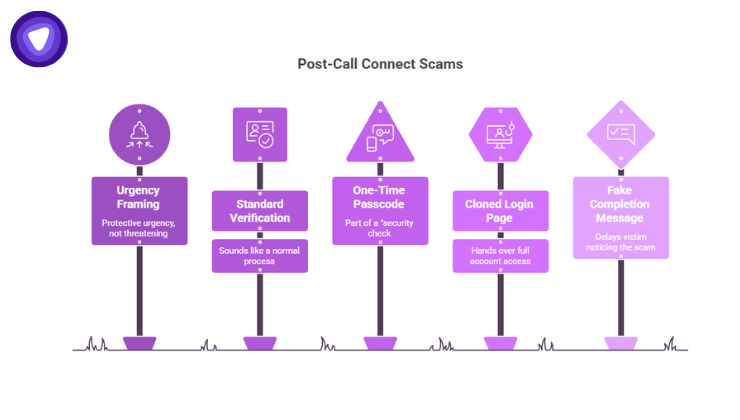
For people who do call the number, the experience is designed to feel routine rather than alarming.
- The caller claims there is active suspicious activity on the account and frames urgency as protective rather than threatening.
- They request identity verification details that sound standard, such as a username or last four digits of a linked card.
- They may ask for a one-time passcode sent to the victim’s phone, framing it as part of the “security check.”
- In some versions, they direct the victim to a cloned login page instead of asking for details over the phone, where entering credentials hands over full account access.
- Some fake login pages redirect to the real Robinhood site afterward, displaying a fake “verification complete” message that delays the victim from noticing anything was wrong.
Text Scam Losses Are Climbing Fast
The Robinhood impersonation scam fits inside a much larger and accelerating problem. Text-based fraud has moved from a minor annoyance to a financially significant threat category in just a few years.
In 2024, reported losses to text scams reached $470 million, more than five times the amount reported in 2020. The number of reports actually declined during that same period, which means each successful scam is extracting more money on average than it used to.
| Year | Reported Text Scam Losses | Share of Reports With Financial Loss |
| 2020 | $86 million | 5% |
| 2022 | $327 million | 6% |
| 2023 | ~$373 million | 9% |
| 2024 | $470 million | 11% |
Fake fraud alert messages warning of suspicious purchases or bank issues are already one of the most frequently reported text scam categories. The Robinhood impersonation campaign applies that exact template to a platform managing real, liquid financial assets, which raises the stakes considerably compared to a fake delivery notice or toll payment text.
Why This Particular Scam Spreads So Effectively
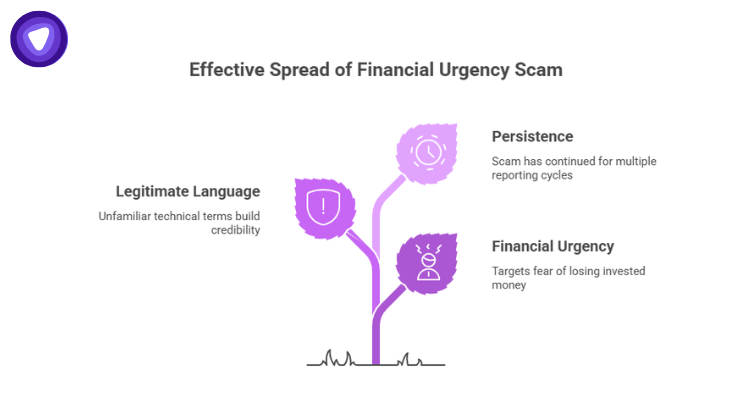
Three factors explain why this campaign has outperformed typical phishing attempts.
It Targets Financial Urgency Directly
Most phishing scams rely on generic curiosity or mild inconvenience. This one targets the fear of losing invested money, a far stronger emotional trigger that pushes people to act before verifying anything.
It Mimics Legitimate Security Language
Terms like API key and IP address rarely appear in real consumer security alerts, but most recipients do not know that. The unfamiliar technical language reads as credibility rather than as a warning sign.
It Has Persisted Across Multiple Reporting Cycles
Coverage and user reports describing the same scam format have continued into 2026, well past its initial wave. Smishing as a broader category has grown enough that FBI Internet Crime Complaint Center data now ranks it among the most reported cybercrime types overall, not just within financial services specifically.
How to Verify a Suspicious Robinhood Text
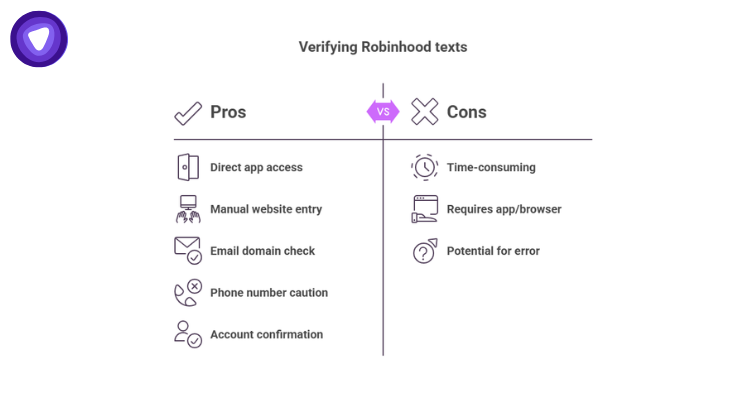
Skip the number and the link entirely. Use these steps instead:
- Open the official Robinhood app directly from your home screen and check the account activity or device login history
- If using a browser, manually type robinhood.com rather than searching for it, since paid scam listings sometimes outrank the real site
- Confirm that any email communication comes from an authentic Robinhood domain, not a close variation
- Treat any phone number included in a text or email as untrustworthy by default
- If nothing unusual appears in the account, the message was fake and can be deleted
What This Scam Signals for Digital Security Broadly
The Robinhood impersonation scam is not really about Robinhood. It is a demonstration of how quickly social engineering tactics adapt once a defense becomes common knowledge. Link-based phishing training pushed scammers toward phone-based fraud. As phone-based awareness grows, the next iteration will likely shift again, possibly toward AI-generated voice calls or even more convincing cloned interfaces.
This adaptability is the real takeaway for anyone responsible for protecting users, customers, or employees. A single awareness campaign about one tactic has a short shelf life. Layered protection, covering credentials, devices, and network connections, holds up far better against a threat that keeps changing shape.
Building Layered Protection Into Everyday Habits
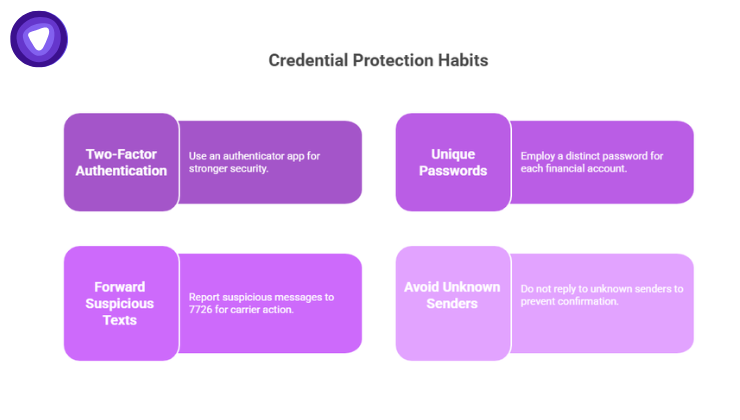
Strong credential hygiene closes one of the most common entry points scammers rely on. A few habits make a measurable difference:
- Enable two-factor authentication through an authenticator app rather than SMS, since SMS codes can be intercepted through SIM swapping
- Use a unique password for every financial account rather than reusing credentials across platforms
- Forward suspicious texts to 7726 so carriers can flag and block similar messages going forward
- Avoid replying to unknown senders in any form, including “STOP,” since a reply confirms the number is active and reachable
Credential protection covers one half of the picture. The other half is the network connection carrying that data in the first place, particularly on public Wi-Fi where traffic can be intercepted before it ever reaches a login screen.
PureVPN White Label and the Network Layer
This is where a white label VPN solution like PureVPN White Label VPN Solution becomes a relevant addition to a broader security stack. PureVPN White Label allows businesses, from fintech platforms to telecom providers, to launch their own branded VPN service built on infrastructure already trusted by millions of users worldwide, without building encryption technology from scratch.
For companies serving security-conscious users, offering a branded VPN gives customers a tangible, encrypted layer of protection for their network connections, complementing the credential hygiene and scam awareness habits covered above rather than replacing them. Closing both gaps, the credentials someone might be tricked into giving up and the network path their data travels through, produces a more resilient defense than either approach alone.
The Bottom Line
The Robinhood impersonation scam succeeds because it removes the one warning sign most people have been trained to spot: the suspicious link. A phone number feels safer, sounds more human, and bypasses years of phishing education in a single design choice. The defense against it is just as simple as the scam itself. Do not call, do not click, and verify directly through the official app every time. Scammers are counting on speed and fear. A short pause is usually enough to stop them.