


Quick Answer
A data broker removal security suite adds automated broker opt-outs to an antivirus product’s plan. AV vendors can build it in house, bundle a white-label engine, or refer users to a third-party service. Bundling keeps the brand, billing, and renewal with the vendor while launching in weeks.
Key Takeaways
- Objection fit: Price and doubt are the top reasons consumers skip removal tools. A paid, trusted suite answers both.
- Data intake: Removal needs names, addresses, and birth dates that antivirus never collected. Plan consent and storage first.
- Recurring work: Brokers re-list removed records, so removal runs on monthly rescans and resubmissions, not a single scan.
- Proof over counts: Subscribers renew on visible evidence, such as screenshots and request status, not broker totals.
- Build, bundle, or refer: Referring users out hands away revenue and the brand relationship. Bundling keeps both.
Every AV vendor without a data broker removal security suite tier leaves recurring revenue on the table. The customer still wants the feature. They simply buy it from another brand, often one that also sells antivirus.
The demand gap is measurable. A Security.org survey found that 31% of non-users call removal services too expensive. Another 27% doubt the services work at all. An antivirus suite already solves both problems. The subscriber pays your brand today, and your brand has already earned their trust.
The cost of waiting keeps rising, too. The FTC logged $15.9 billion in reported fraud losses for 2025. That total rose from just over $12 billion a year earlier. Imposter scams alone drew more than 1 million reports and $3.5 billion in losses. Broker profiles supply the names, addresses, and relatives that make those scams convincing. This guide covers what AV vendors miss when they add removal. It also shows how to choose between building, bundling, and referring.
Why Buyers Now Expect a Data Broker Removal Security Suite
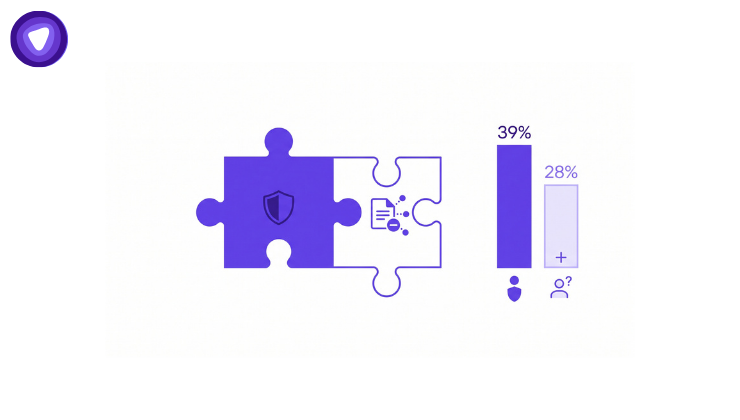
Removal used to sit in its own product category. That split is fading. Several major consumer security brands now place broker removal inside their top suite tier. It sits next to antivirus, VPN, and identity monitoring in a single subscription.
Demand also goes well past current users. December 2024 survey data shows that 39% of US adults already have access to removal tools. Another 28% want access but do not have it yet.
That 28% is the opening for AV vendors. These buyers want the feature but have not picked a provider. As a result, a suite they already pay for becomes the shortest path to a yes.
The Objection Math Favors AV Vendors
Standalone removal services fight both top objections from zero. They must win a new payment and new trust at the same time. By contrast, an AV vendor starts with both already in place. That head start is the real case for a data broker removal security suite.
The same survey found that 12% of non-users are highly likely to try a removal service within a year. Those buyers will choose a provider soon. The only open question is whose brand they choose.
Consider an illustrative AV vendor with 500,000 paid suite subscribers. Suppose 4% upgrade to a top tier that adds removal for $4 more each month. That produces 20,000 upgraded seats and $80,000 in new monthly revenue.
Now suppose the vendor refers those same users to an outside removal service instead. A one-time $10 affiliate fee per signup returns $200,000 once. After that, the recurring revenue belongs to the other brand. These figures are illustrative, not industry benchmarks.
Five Things AV Vendors Miss When They Bundle Data Broker Removal
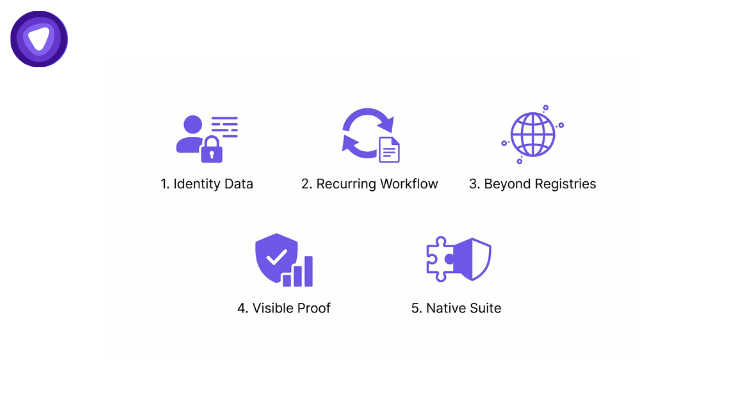
Adding removal looks like a new tile on the dashboard. In practice, it changes your data model, your support load, and your evidence model. Five gaps show up most often when teams plan a data broker removal security suite.
Removal Needs Identity Data Your Suite Never Held
Antivirus works on devices, files, and network traffic. Broker removal, however, works on people. To find a record, the service needs a name, past addresses, a birth date, and phone numbers. Some brokers also demand identity verification before they act on a request.
That shift has three consequences:
- Consent: Users must say yes to sharing this data for removal. Keep that consent apart from device data consent.
- Minimization: Collect only the fields the broker workflow needs, and nothing more.
- Storage: Decide who holds the profile, how you encrypt it, and when you delete it after a user cancels.
Treat this step as a privacy review, not a design task. A vague consent screen can undo the trust that made the bundle attractive.
Removal Is a Recurring Workflow, Not a Scan
AV teams think in scans and detections. Broker removal behaves differently. Brokers rebuild records from public filings and reseller feeds. As a result, cleared listings return. A working service scans again on a schedule and resends any request when data returns.
This creates support load your team has never handled. Users will ask why a listing came back. They will also ask why one broker shows pending verification for weeks. Script those answers before launch, and show request status inside the app. Otherwise, each re-listing becomes a support ticket instead of proof the service works.
Registered Brokers Are Only Part of the Map
Registration laws help, but they cover a small slice of the market. Only five states require data broker registration in 2026. California’s free deletion tool reaches only registered brokers, and only for state residents. Meanwhile, many people-search sites sit outside those lists.
For an AV vendor, this matters in two ways. First, a free state tool does not replace a paid removal feature for most users. Second, your coverage must reach the people-search sites that drive real exposure. Ask every provider how much of its coverage sits outside state registries.
Proof Beats Coverage Counts
Antivirus has a value problem. When it works, nothing happens, and users see no evidence. Removal can fix that problem, but only when users see results.
Broker coverage claims vary widely between providers. Counts alone win over few buyers. Recall that 27% of non-users doubt removal services work at all. A large broker total does not answer that doubt. Evidence does:
- Screenshots of each listing found
- Request status by broker, updated over time
- A monthly summary of what was removed and what returned
Each monthly report reminds the subscriber what the suite does. That reminder lands before renewal decisions, which is exactly where it matters. It is the one thing a data broker removal security suite adds that antivirus alone cannot.
Suite Architecture Shapes the User Experience
Removal should feel native to the suite. Users should not need a second login, a second app, or a second bill. The cleanest builds run removal on the existing account layer that already handles licensing.
Each opt-out also moves through a set of states. Typical states are submitted, in progress, pending verification, completed, and re-listed. Map each state to in-app copy before launch. Then pair removal with dark web monitoring. The two work as connected components, not separate tools. Monitoring flags leaked credentials, while removal shrinks the public profile attackers use.
Build, Bundle, or Refer: Choosing a Data Broker Removal Security Suite Model
Every AV vendor reaches the same decision point. Each path trades speed, control, and long-term revenue differently.
| Factor | Build In-House | White-Label Bundle | Refer to a Third-Party Service |
| Time to launch | 12 to 24 months | Weeks | Fastest |
| Broker workflow upkeep | Your engineering team | Provider | Third party |
| Brand and billing | Yours | Yours | Third party |
| Subscriber identity data | Held by you | Shared under contract | Held by third party |
| Recurring revenue | Full, minus build cost | Margin above wholesale | One-time or small fee |
| Evidence shown to users | Whatever you build | Provider reports, your brand | Third-party app |
| Renewal benefit | Yours | Yours | Third party |
An in-house build takes 12 to 24 months of engineering and legal work. Broker workflows also change often, so the work never ends. Referral looks cheapest, yet it hands away the relationship you spent years building. The user meets another brand, pays another bill, and renews somewhere else. A white-label bundle keeps the brand, the billing, and the renewal benefit with you.
Where Removal Fits in Your Pricing Tiers
Where removal sits decides how it earns money. Three models are common:
- Top tier only: Removal anchors the premium plan and lifts upgrades from mid-tier users.
- Paid add-on: Removal sells on its own, which suits suites with low-priced base plans.
- Family plans: Removal covers each person in the household, so each plan is worth more.
Removal is recurring revenue by nature, because exposure never stays fixed. Price it as a monthly service, not a one-time cleanup. Also keep its cost logic separate from VPN and monitoring. Mixed cost logic hides which product drives margin. Our bundle pricing guide covers this point in depth.
Proof: How an Antivirus Product Became a Full Security Suite
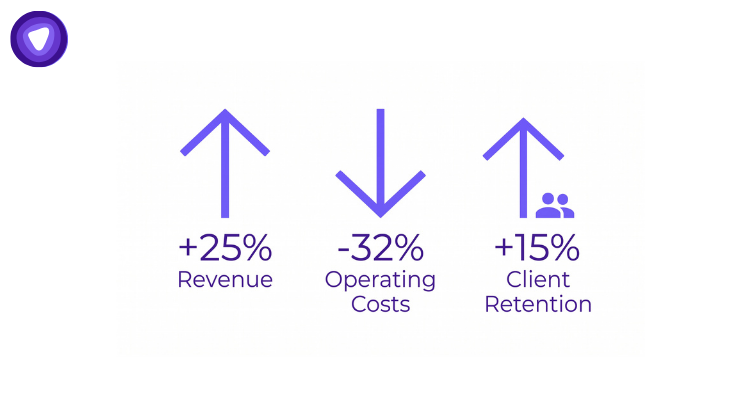
One partner case shows the bundling pattern at work, though with VPN rather than removal. A US-based MSP had built its business on antivirus for over two decades. It wanted broader protection without asking clients to install anything new.
The MSP folded a white-label VPN into its existing antivirus app through an SDK. Clients kept the same install, launch, and management flow. According to the antivirus partner case study, revenue rose 25% within two months of launch. Operating costs fell 32%, and client retention rose 15%.
These figures come from the partner’s own report, and no third party audited them. They also track VPN bundling, not removal. Still, the same logic holds for a data broker removal security suite. A new privacy layer inside a trusted antivirus app grew revenue with no second product to support.
How PureVPN White Label Data Broker Removal Fits Your Suite
PureVPN White Label Data Broker Removal gives AV vendors the removal engine without the build. It covers 400+ people-search and broker sites, rescans monthly, and captures screenshots and request status as evidence. Vendors can embed it through an API and SDK, launch a hosted branded platform, or combine both. The platform holds SOC 2 Type II and ISO 27001 certifications.
PureVPN White Label reports 150+ partners worldwide, a company-stated figure rather than an audited one. For suites that want the full loop, Dark Web Monitoring runs on the same engine as a separate module. Together, the two form Data Privacy Protection, the bundled offering for partners.
Conclusion: Make the Data Broker Removal Security Suite Decision Early
A data broker removal security suite is now an expected tier, not a novelty. AV vendors already hold the two things standalone services lack: a paying user and earned trust. The risk sits in how you ship it, not in demand. Plan data intake, repeat workflows, wide coverage, and visible proof before launch.
Then decide how you will deliver it. Building costs time you may not have. Referring hands away the subscriber. Bundling keeps the revenue and the renewal story inside your own brand.
Frequently Asked Questions
Do antivirus suites include data broker removal?
Several major consumer security suites now include data broker removal in their top tier, beside antivirus and VPN.
How does data broker removal work inside a security suite?
The service scans broker sites, files opt-out requests, rescans monthly, and resubmits any record that reappears.
Is bundling better than referring users to a removal service?
Yes. Bundling keeps the brand, billing, and renewal with your suite, while referral hands all three to another company.
What personal data does data broker removal require?
It needs a full name, current and past addresses, birth date, and phone numbers to match broker records.
How long does it take to add data broker removal to a security product?
A white-label bundle launches in weeks, while an in-house build takes 12 to 24 months.