If you enjoy live streaming, gaming broadcasts, or chatting with creators, you know how competitive, saturated or restricted it can get on Twitch. Maybe the moderation feels strict, maybe monetization isn’t fair, or maybe you just want a fresh start. Whatever the reason, there are now dozens of solid Twitch‑style alternatives out there. These platforms offer live streams, community interaction, and often friendlier monetization or simpler rules.
The blog discusses 10 of the best Twitch‑style alternatives today, many accessible globally, along with their highlighting features and drawbacks.
Why Try Twitch TV Alternatives?
Twitch remains the biggest name in live streaming, but it’s not perfect for everyone. As competition grows and policies tighten, many creators and viewers look for more flexibility, better revenue sharing, or simply a different community vibe.
Switching to another live‑streaming platform can mean:
- More creative freedom and fewer restrictions on content style.
- Easier monetization models or more favorable revenue splits.
- Less competition: easier to stand out if you’re new or niche.
- Alternative content mixes: mobile gaming, casual IRL streams, niche creative content.
- Reduced dependence on one platform’s rules or algorithm changes.
If you care about freedom, variety, or experimenting with streaming, alternatives might suit you better.
9 Top Twitch Alternatives You Can’t Miss
Whether you’re a viewer seeking fresh content or a streamer wanting more freedom, these Twitch alternatives are worth exploring.
1. Kick
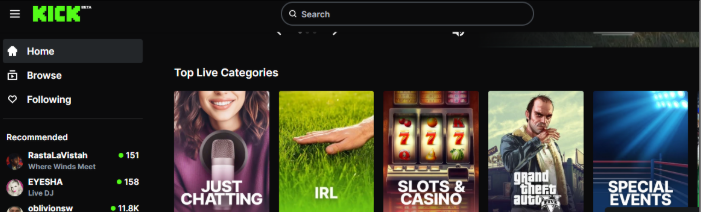
Kick is one of the newest big competitors to Twitch, launched in 2022, but is already making waves.
Why it stands out:
- Generous revenue share: Streamers reportedly keep ~ 95% of subscription earnings, much higher than Twitch’s typical 50‑50 split.
- Familiar interface: For Twitch users, Kick feels familiar: live chat, categories, 1080p streaming, VODs, etc.
- Less competition: Since it’s newer and smaller, new streamers might find it easier to get visibility.
Drawbacks:
- Far fewer viewers than Twitch, which can limit growth or revenue potential.
- Moderation and content safety issues — looser content rules have led to controversial streams on Kick.
- Some tools and community features are still nascent compared to older platforms.
Best for: Streamers who want maximum revenue share, creative freedom, and are okay trading big audience size for more control.
2. Trovo Live
Trovo Live is a platform targeting PC and mobile gamers with a lighter competitive field than Twitch.
Pros:
- Low barrier to entry — easier for new or small streamers to start broadcasting and build viewers.
- Supports many content types: gaming, just chatting, creative streams, plus mobile‑optimized streaming.
- Less saturated categories — easier to stand out compared to oversaturated Twitch niches.
Cons:
- Smaller viewer base compared to Twitch, growth still can be slow.
- Revenue share and monetization are less generous or less mature than some alternatives (compared to Kick).
Best for: New streamers trying to build community early, mobile gamers, or those wanting a simpler streaming start.

3. DLive
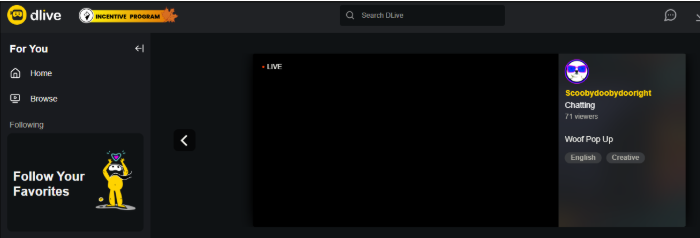
DLive takes a unique approach: blockchain-based streaming and decentralized monetization.
Pros:
- Transparent monetization with crypto-based rewards, appealing for Web3 / blockchain‑savvy creators.
- Potential for different kinds of content, gaming, creative streams, IRL, and flexible formats.
- Independent and decentralized, less corporate oversight, possibly more freedom for niche content.
Cons:
- Very small user base, harder to build a big audience.
- Discoverability is limited, unless you create content that appeals to specific communities.
- Crypto-based monetization can be complicated or volatile, not ideal if you prefer stable, mainstream payment options.
Best for: Creators who care about decentralization, crypto rewards, or niche/respectful communities, not obviously mainstream gaming stars.
4. YouTube Live (or YouTube Gaming / general YouTube live streaming)
While known primarily as a VOD video platform, YouTube’s live streaming capabilities remain a powerful alternative.
Pros:
- Massive audience, you tap into YouTube’s huge global user base.
- Versatility: gaming, creative content, talk shows, tutorials, music, not just gaming.
- Strong monetization tools: ads, channel memberships, Super Chats, VOD + live integration.
Cons:
- High competition, getting noticed among millions of videos/streams can be challenging.
- Live‑chat interactivity and streaming culture may feel less intimate or community‑driven than Twitch‐native platforms.
Best for: Creators who already use YouTube or want to mix live + VOD + wide content variety.
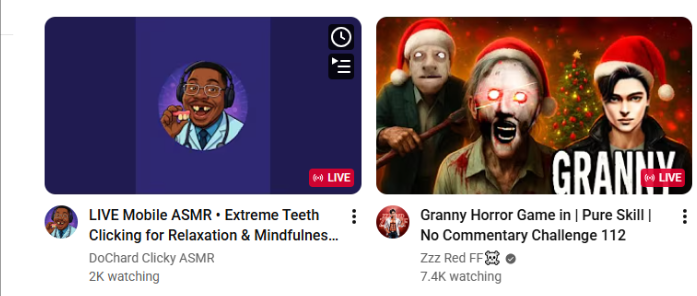
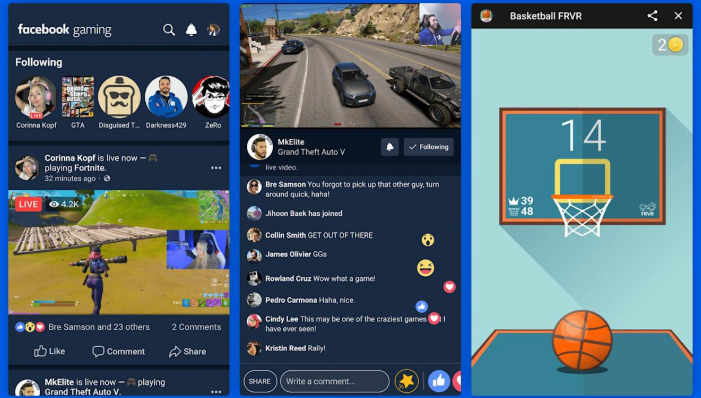
5. Facebook Gaming / Facebook Live
Social‑network‑backed streaming platforms with built-in audience and easy access for many users.
Pros:
- Massive existing user base — easier to reach followers, friends, or social audiences after a few shares.
- Good for casual streams, IRL, events, or connecting with non‑gaming audiences.
- Built-in social features make promotion and discovery simpler if you already have a Facebook presence.
Cons:
- Platform not always gaming‑optimized, more mixed content, less focused on dedicated streaming features.
- Monetization and discoverability depend heavily on social reach, not live‑streaming audiences.
Best for: Streamers with existing social media following or those focusing on lifestyle, IRL, or casual content.
6. Glimesh
A smaller, community-driven streaming platform that emphasizes real-time chat, simpler interface, and a creator‑first approach.
Pros:
- More intimate community, easier to connect with viewers and build stronger engagement.
- Great for niche or creative content, artists, music, IRL streaming, chats, less competitive categories.
Cons:
- Very small audience, discoverability and growth can be slow.
- Less polished monetization features compared to big platforms, limited visibility and fewer tools.
Best for: Creators who care more about community and creative freedom than large-scale monetization.
7. Nimo TV
Nimo TV is a mobile‑first streaming platform, often used for mobile gaming, casual streams and e‑sports broadcasts.
Pros:
- Optimized for mobile, great if you stream or watch on phone/tablet rather than PC.
- Focus on esports and mobile gaming could be ideal if you mainly play or watch mobile games.
Cons:
- A smaller, perhaps more regional audience may not suit global reach or high expectations.
- Less built-out ecosystem compared to YouTube, Twitch or Kick, fewer features and a smaller community.
Best for: Mobile gamers, casual streamers, or users in regions where mobile gaming dominates.
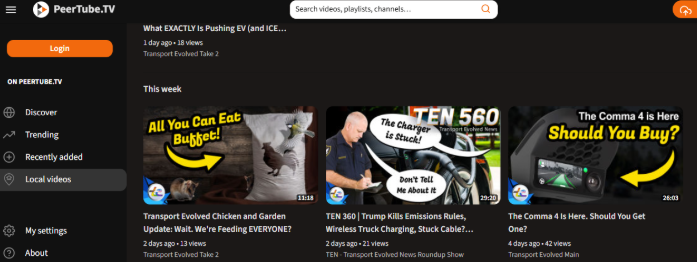
8. Self‑Hosted or Open‑Source Streaming (e.g. PeerTube / DIY Streams)
For creators who value control, privacy, or independence, self-hosted or open-source streaming platforms remain an option.
Pros:
- Full ownership and control: you manage content, rules, monetization, no platform interference.
- Privacy and independence, ideal if you avoid big‑platform dependency, ads, or data tracking.
Cons:
- Technical overhead, requires setup, hosting, moderation, and marketing on your side.
- Very limited built‑in audience, growth depends on your own promotion.
Best for: Tech‑savvy creators, niche communities, privacy‑focused streamers.
9. Multi‑platform Streaming with Tools like Restream
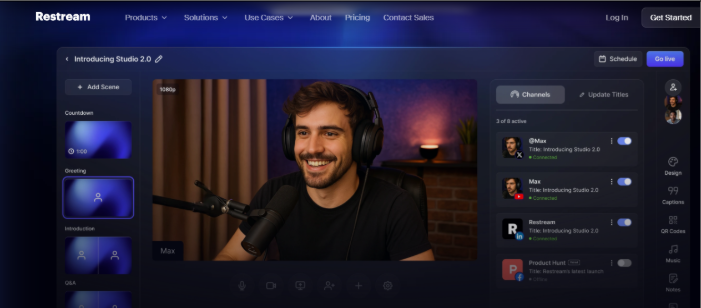
If you don’t want to choose just one platform, you can stream to multiple simultaneously, spreading reach across platforms like Twitch, Live, Kick, Trovo, etc. Restream is a tool that lets you broadcast to several at once.
Pros:
- Maximize exposure, you tap multiple audiences across platforms.
- Flexibility, you don’t depend on a single platform’s rules or audience.
- Great for experimenting, find which platform suits you best without committing.
Cons:
- Requires more management, moderating multiple chats, handling multiple accounts, more effort.
- Bandwidth and hardware requirements can increase if streaming to multiple platforms.
- Growth and monetization can be diluted if the audience spreads thin across platforms.
Best for: Streamers wanting maximum reach, exploring multiple platforms, or diversifying risk.
Twitch TV Alternatives in a Glance
| Platform | Strengths | Limitations |
| Kick | 95% revenue to creator; familiar Twitch‑like interface; easier to stand out | Small audience; mixed moderation & safety issues; fewer polished tools |
| Trovo Live | Low entry barrier; supportive for new/small streamers; variety of content types | Smaller viewership; monetization less mature |
| DLive | Blockchain‑based monetization; decentralized & independent; flexibility for niche | Very limited audience; discoverability challenges; crypto‑based complexity |
| YouTube Live | Huge audience reach; versatile content + live + VOD; solid monetization tools | High competition; harder to stand out; chat/community less “streaming native” |
| Facebook Gaming / Live | Easy social reach; good for casual/IRL content; instant access to friends/followers | Not streaming‑focused; limited for serious gaming or gaming‑centric communities |
| Glimesh | Community‑driven; intimate viewers; great for niche/creative content | Very small audience; limited monetization and growth potential |
| Nimo TV | Mobile‑first; good for mobile gamers and esports; simpler streaming setup | Smaller/less global audience; fewer features |
| Self‑Hosted / PeerTube | Full control, privacy, independence | Requires technical skill; self‑promotion needed; no built‑in audience |
| Multi‑platform (e.g. via Restream) | Max reach; diversify audience; reduce reliance on one platform | More complexity; higher resource need; risk of diluted audience or burnout |
Final Thoughts
Twitch is still a powerhouse, but the growth of alternatives shows the streaming world is evolving. Platforms like Kick, Trovo Live, DLive, YouTube Live, and others offer real opportunities for streamers and viewers seeking creative freedom, better revenue share, niche communities, or simpler streaming setups.
If you’re a streamer, giving one or more of these platforms a shot might help you stand out, grow, or find a better fit for your content style. If you’re a viewer, exploring beyond Twitch opens you to fresh communities, varied content, and often a more relaxed vibe. Go for it!
Frequently Asked Questions
Yes, most popular alternatives like Kick, Trovo Live, YouTube Live, DLive, etc., are legitimate streaming platforms. However, safety and content standards vary. Platforms with looser moderation (e.g. Kick or DLive) can carry content risks, so always follow their community guidelines and use discretion when in chat or donation features.
For beginners, platforms like Trovo Live, Glimesh, or Kick tend to offer easier entry, less competition, and more chances to get noticed. YouTube Live is also viable for creators planning broader content beyond gaming.
Yes. Services like Nimo TV, Caffeine, Trovo Live, or mobile‑optimized platforms are friendly for smartphone streaming. Multi‑platform tools like Restream can also help — though hardware and bandwidth should suffice for stable streaming.
Not necessarily. Many platforms are free to join, and monetization (donations, subscriptions, ads) is optional. If you already have a decent setup, you can start streaming with minimal cost.
Yes, but some platforms or content may be region‑locked. In such cases PureVPN can help you access or stream from different regions, by connecting through optimal servers placed strategically around the globe.