If your phone has been ringing up lately from unknown numbers starting with 929, you’re not alone. Calls and texts from 929 numbers have become a common vector for fraudsters: everything from one-ring “ping” schemes to spoofed customer-support scams and phishing SMSes.
This guide unpacks what’s happening right now, what social channels have experienced, cites regulator advice and reputable research, and, most importantly, gives you clear, practical steps to protect yourself and your family.
Is 929 a Scam?
No, the 929 area code itself is legitimate. It’s an overlay for New York City (added by NANPA to meet demand). But like any area code that covers a major metro area, 929 numbers are frequently used and spoofed by scammers because they look local to millions of people in NYC. Treat unknown 929 numbers with caution, specifically if the caller pressures you, asks for codes or money, or sends sketchy links.
Why Scammers Pick 929 and Other Urban Area Codes
A call from a familiar area code is more likely to be answered than one from an unknown country code. Scammers piggyback on that psychological trust, besides that
- VOIP and spoofing: Cheap Voice-over-IP services let criminals create thousands of numbers or spoof caller IDs to appear local.
- High volume, low cost: Automated dialers and robo-call services enable huge volumes of calls for very little money, a numbers game for fraudsters.
- Overlay codes create confusion: When many area codes overlay the same city (718/347/646/929 etc.), people are less suspicious and more likely to pick up.
Area Code 929 Scams Experienced by Real People
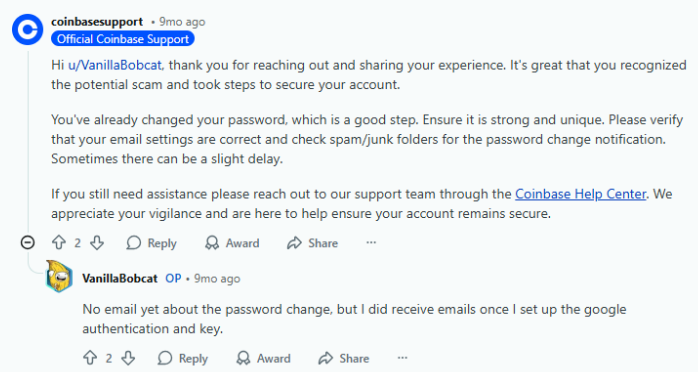
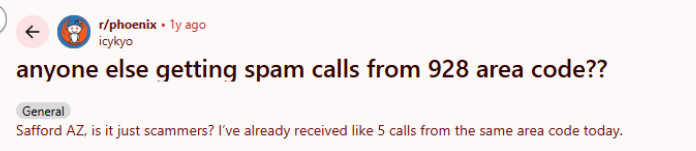
Reddit threads in r/Scams and r/CoinBase show multiple users receiving calls/texts from 929 numbers claiming to be Coinbase security alerts or other account warnings, often with garbled audio, pressure tactics, or links. These threads are useful field reports because they include the exact phrasing and phone numbers reported by victims.
Local subreddits (e.g., r/AskNYC) contain posts from residents reporting daily calls from varying 929 numbers claiming to be health companies, mortgage companies or other services, a hallmark of call-farm rotation to avoid individual blocking.
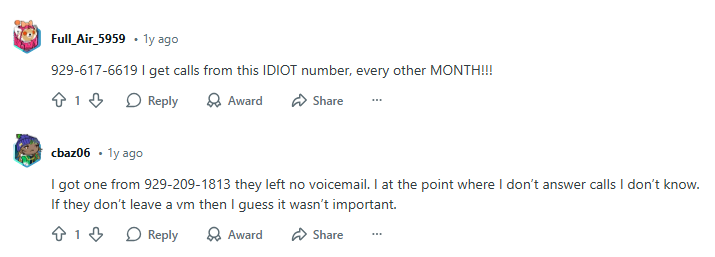
A set of Reddit posts documents phishing texts instructing recipients to call back or enter a code; sometimes the texts include a 929 number reproducing a bogus “withdrawal” or “account change” alert.
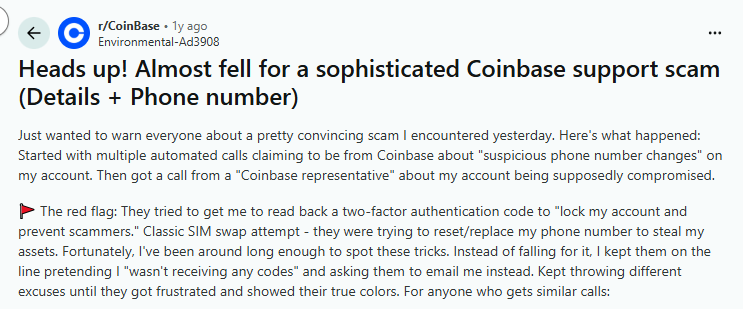
These community reports are valuable as real-time signals; they show scammers are mixing spoofing, automated mass texting, and social-engineering scripts using 929 numbers.
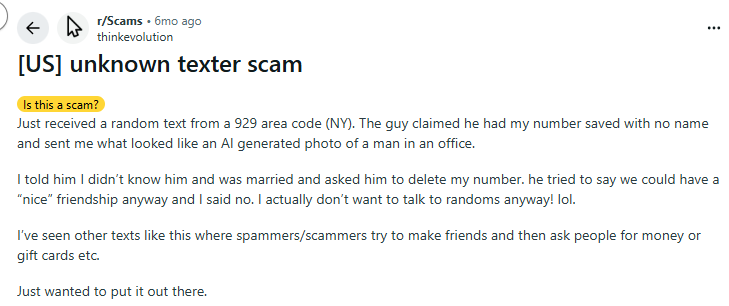
Common 929 Scam Types You Must Recognize
Knowing the most common scam patterns makes it much easier to shut them down instantly.
Impersonation / Account Alerts
You get a call or text claiming to be from a bank, Coinbase, Apple, or Amazon saying there’s suspicious activity and asking you to confirm codes or log in. These often use a 929 caller ID to look “local.”
Tech Support Fraud
A caller pretends to be from Microsoft or Apple and tries to get remote access or payment for fake repairs. Some reports identify 929 numbers used in these scripts.
Phishing SMS (smishing)
Texts with urgent links (“$820 charge at H&M — dispute here”) instruct recipients to click a link or call a 929 number. Don’t click.
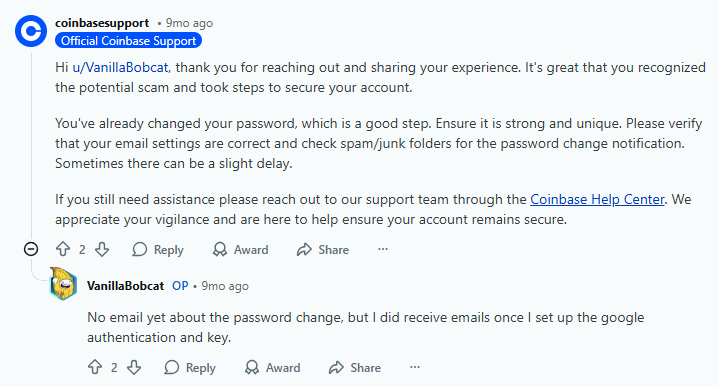
One-ring + call-back Traps
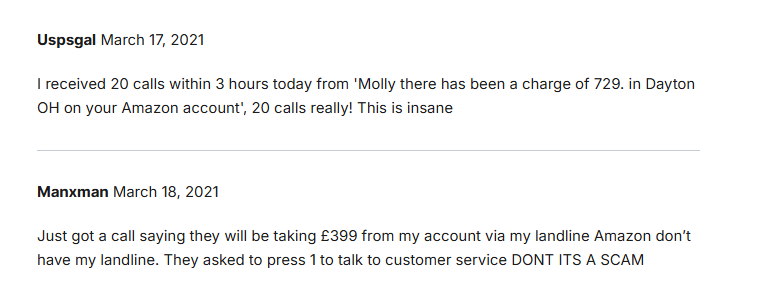
You get a very short call (one ring) from a 929 number. If you call back, it connects to paid lines or confirms your number as active for more spam. This can be combined with missed call text prompts.
Spoofed Local Numbers
Scammers can spoof numbers that look like your neighbor’s or local business, but the voice or call quality, pressure tactics, and requests for money are giveaway signs.
What To Do If You Are Being Scammed by Area Code 929
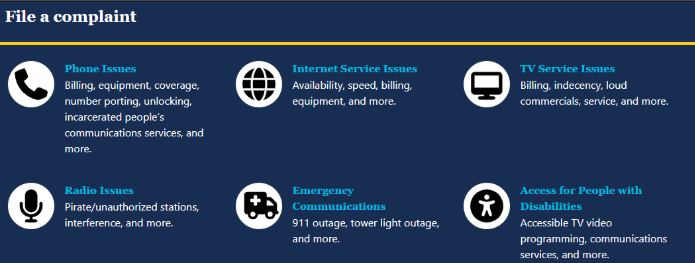
The Federal Communications Commission (FCC) maintains a complaints portal and guides robocalls and spoofing. Filing complaints helps regulators and carriers spot trends and take action.
The FTC and other consumer-protection bodies have long warned about tech-support scams and caller-ID impersonation; their educational materials are good references when you want to understand red flags.
How Scammers Actually Get Your Details
Most people imagine scammers randomly dialing numbers, but the reality is far more targeted. Fraudsters often gather your information long before they reach out. Here’s how:
- Data brokers and breaches: Your phone number may be available via data aggregators, previous data breaches, or public forms.
- Random dialers + verification: Robo-callers “seed” numbers and marks which respond to refine lists. Answering briefly can mark your line as a live target.
- Linked account correlation: If criminals have partial identity data (name + phone), they use social-engineering scripts to confirm the rest.
- Spoofing: Caller ID can be faked; seeing a local 929 number is not proof the caller is local.
How to Stop Area Code 929 Scams in Their Tracks
Below are high-impact steps you can take now to avoid area code 929 scams and similar tactics:
1) Never Share Codes or Payment Information Over an Unsolicited Call or Text
If someone pressures you for an authentication code, password, or payment info, hang up and contact the company directly using the number on their official website or app. This is the number-one rule.
2) Use Call-Blocking Tools and Carrier Features
Major carriers and many handset makers offer spam call protection (call-filtering, spam labeling, and automatic blocking). Turn them on. Third-party apps can help, but choose well-reviewed ones.
3) Don’t Call Back Missed 929 Calls You Don’t Recognize
If it was important, the caller will likely leave a voicemail. Calling back can confirm your number is live to scammers. If you must know, look up the organization’s official contact independently.
4) Report and Document
File complaints with the FCC and (for financial/identity fraud) with the FTC. Reporting improves detection and enforcement. Include dates, numbers, and messages when possible.
5) Enable Two-Factor Authentication (2FA)
Use authenticator apps or hardware keys rather than SMS 2FA where possible, SMS codes can be intercepted via SIM swap attacks.
6) Set Privacy Options on Social Platforms and Data Brokers
Remove phone numbers from public profiles and consider opting out of people-search sites and data broker lists to reduce exposure. PureVPN optimises your privacy settings and helps you opt out of 200+ data brokers to keep your privacy under control.
7) Train Household Members
Scams target people who are less familiar with spoofing or common scripts. Walk through example calls and texts with family and show them how to verify.
8) If Money or Identity was Lost, Act Fast
Contact your bank, freeze cards, change passwords, and file an identity theft report if needed.
Case studies: real-world 929 scam examples (what happened and lessons learned)
What tech and carriers are doing (and what still needs work)
Stay Protected from Scammers With PureVPN
When scam calls and phishing texts are becoming this aggressive, having a security layer that works silently in the background is a massive advantage. PureVPN helps you stay anonymous, reduce data exposure, and keep your digital identity out of the hands of callers who rely on tracking and profiling. It’s one of the simplest ways to make scam attempts far less effective.
Why PureVPN Helps You Stay Safer
- Hides your real IP and location, making it harder for scammers, data brokers, and tracking scripts to connect your number or online activity to a real identity.
- Encrypts all your data, so even if you’re on public WiFi, no snooper can intercept logins, messages, or account details that scammers try to harvest.
- Blocks malicious domains and trackers, helping you avoid phishing websites often linked in scam texts.
- Tracks your data for dark web exposure, preventing multiple sharing on various platforms.
- Gives you a clean, protected connection every time you go online, reducing exposure across apps, email, and messaging services.
- Strengthens online privacy for your family, letting you secure multiple devices so everyone stays protected from scam links and fake alerts.
Final Verdict — Protect First, Panic Later
Area code 929 is not the villain; the tactics are. Scammers use local numbers because they work: people answer them. Many defenses are simple and immediate: don’t share codes, enable carrier protections, and report attacks.
Frequently Asked Questions
No. 929 is a legitimate New York area code. But because it’s local to millions and easily spoofed, unknown 929 numbers are often used in scams. Treat unexpected 929 calls cautiously.
Don’t trust the caller ID alone. Ask for a callback number and verify it independently on the company’s official site. For urgent security alerts, log into the official app or website rather than following caller instructions.
Don’t click links. Log in to your account directly (bank/retailer) through official channels to confirm. Report the text to your carrier and the company being impersonated.
Blocking individual numbers helps a bit, but scammers rotate numbers. Enable carrier spam filters and use reporting tools for greater effect.