Children today don’t just use the internet, they live on it. In online classrooms, gaming consoles, social media, and streaming apps, kids are constantly connected. While this digital access opens doors to learning and entertainment, it also exposes children to serious privacy risks that many parents underestimate.
Data tracking, behavioral profiling, and location exposure aren’t just adult problems anymore. This is why more parents ask, can VPNs help protect children online?
Let’s explore how VPNs fit into modern digital parenting, and can you really protect your children with a VPN.
Why Children’s Online Privacy Is at Risk?
Unlike adults, children don’t fully understand how their data is collected, stored, or shared. Many platforms rely on passive data collection, meaning kids don’t have to actively share anything for their information to be logged.
This includes:
- IP addresses revealing location
- Device fingerprints
- Browsing behavior
- Voice chat recordings
- Interaction patterns
A growing number of parents on Reddit are voicing concern about how early this data trail begins.
How VPNs Help Protect Children Online
A VPN encrypts internet traffic and hides the real IP address. For children, this adds a protective layer between their devices and data-hungry platforms.
1. VPNs Hide a Child’s Real Location
Many apps infer a child’s location without asking, simply by reading their IP address. This can expose:
- City or region
- School district
- Household internet patterns
A VPN replaces the real IP with a virtual one, reducing how accurately platforms can track where a child is connecting from. A VPN is important for kids using
- Tablets for school
- Gaming consoles
- Shared family Wi-Fi networks
2. VPNs Encrypt Data on School and Public Wi-Fi
Children regularly connect to networks that aren’t fully secure, including:
- School Wi-Fi
- Libraries
- Cafés
- Friends’ homes
Unencrypted connections can expose login details, browsing activity, and app usage. A VPN encrypts this traffic, making it harder for third parties to intercept or monitor it.
How Major Platforms Have Exploited or Mishandled Children’s Data
Gaming platforms don’t just exist to let kids play anymore, they’re full-scale data ecosystems. Take Xbox and similar online gaming networks as an example. Beyond matchmaking and achievements, these platforms can log voice chats, monitor gameplay behavior, and store interaction data linked to minors’ accounts.
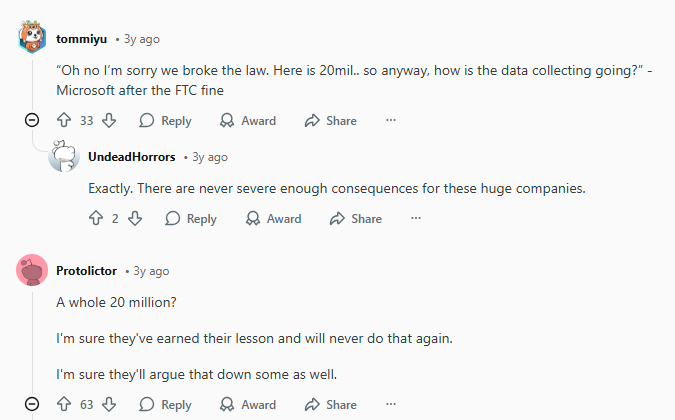
While using a VPN won’t magically stop a game from collecting in-app data, it does help by masking network-level identifiers like IP addresses, making it harder to tie a child’s gaming activity back to their real-world location or home network.
Your email could be compromised.
Scan it on the dark web for free – no signup required.
Similar concerns come up when parents talk about Facebook, Instagram, and other Meta-owned platforms. Meta has faced global regulatory pressure over profiling teenage users, collecting engagement data from minors, and serving content based on behavioral analysis rather than age-appropriate safeguards.
Even when parents set accounts to private, background metadata such as IP addresses, device type, and usage patterns can still be collected and analyzed.
The same pattern shows up on Twitter and other social platforms. These services collect extensive metadata, including interaction history, session length, device identifiers, and even cross-site tracking through embedded pixels.
A VPN helps limit how easily this data can be linked back to a specific household or physical location, adding a layer of privacy in an environment where data collection is the default.
Many websites and apps include third-party trackers that follow users across the web. Children are particularly vulnerable because:
- They click impulsively
- They don’t recognize sponsored content
- They don’t understand behavioral advertising
While VPNs are not ad blockers, they reduce exposure to:
- Network-based tracking
- Data aggregation tied to IP addresses
- Some forms of behavioral profiling
Using VPNs in a Family Environment
For households with multiple devices, VPNs are most effective when used consistently across:
- Smartphones
- Tablets
- Laptops
- Gaming consoles
Some VPN providers allow multiple devices under a single subscription, making it easier for parents to cover the entire household without managing separate accounts.
PureVPN allows up to 10 simultaneous connections, which can be useful for families juggling school devices, consoles, and personal phones, without needing to constantly switch protection on and off.
What Else You Must Do While Using a VPN To Protect Your Kids
A VPN is a strong first step, but it’s not a magic shield, and setting the right expectations matters. A VPN protects the connection, not your child’s choices or the platform’s internal systems. It doesn’t replace parental controls, won’t automatically block inappropriate content, can’t stop kids from oversharing personal information, and doesn’t prevent apps from collecting data inside their own platforms.
That’s why VPNs work best when they’re part of a broader digital safety strategy. Pair them with built-in parental controls on devices, age-appropriate content filters, regular permission checks, and open conversations about online behavior.
Frequently Asked Questions
It reduces network-level tracking, but apps can still collect internal data.
Yes, VPNs are legal in most countries and commonly used for privacy.
High-quality VPNs have minimal impact on speed on stable connections, as they have optimized servers around the globe to prevent lag.
The internet isn’t designed with children’s privacy as a priority. Platforms optimize for engagement, data, and growth, not long-term digital safety. VPNs add a layer of protection by encrypting data, masking locations, and reducing passive tracking, helping your kids stay private with parental controls.

Arsalan Rashid

January 6, 2026

2 months ago