Receiving unexpected calls from the 786 area code can feel unsettling, especially when the caller leaves vague threats, asks for personal information, or hangs up immediately. In recent years, Area Code 786 scams have grown significantly, tricking thousands of people through spoofed Miami-based numbers. While the 786 prefix is legitimate and widely used across Miami-Dade County, scammers increasingly exploit it to make fraudulent calls seem local and trustworthy.
This blog breaks down everything you need to know about 786 scam calls, including how they work, the most common scam types, warning signs to look out for, and practical steps to protect yourself. By understanding their tactics, you can avoid falling victim and help others stay informed.
Understanding the 786 Area Code
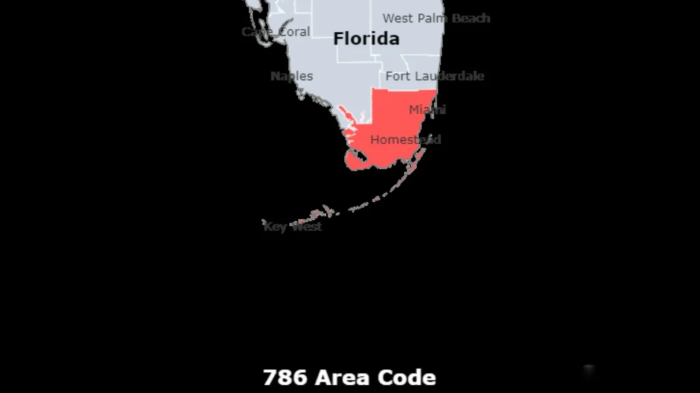
The 786 area code belongs to Miami, Florida, and is paired with the well-known 305 area code. It supports millions of residents and thousands of businesses. However, because Miami is a major metropolitan and international hub, scammers see it as the perfect disguise. Fraudsters can easily spoof local numbers using internet-based calling tools, allowing them to impersonate people and businesses from the area.
This tactic is known as neighbor spoofing, and it dramatically increases the chance that victims will answer the phone. Since many people associate Miami with business, tourism, government agencies, and immigration services, they may not immediately question the legitimacy of a 786 area code call.
Why Scammers Use the 786 Area Code
Scammers target the 786 area code for several strategic reasons. First, Miami has a diverse population that includes many immigrants, students, and business owners—groups that scammers frequently try to manipulate with threats or financial schemes. The mixture of languages, including English, Spanish, and Creole, allows scammers to approach victims in multiple dialects.
Another reason is that Miami is home to numerous financial institutions, shipping companies, and federal offices. By spoofing the Miami 786 area code, scammers pretend to represent these organizations, making their calls sound more credible. People are more likely to respond when they think a local bank, delivery service, lawyer, or immigration office is contacting them.
This combination of population diversity, economic activity, and technological spoofing tools creates the perfect environment for 786 scam numbers to thrive.
Common Types of Area Code 786 Scams
Scammers use a wide variety of tactics. Below are the most reported Area Code 786 scams you should be aware of.
1. The One-Ring Scam (Wangiri Fraud)
One of the simplest yet most effective tactics involves calling your phone once and hanging up immediately. The hope is that you return the call, thinking it might be urgent.
If you call back, you may be connected to a premium international number with extremely high per-minute rates. Even staying on the line for a few seconds can cost you money. This technique is common among 786 scam calls, especially late at night.
2. IRS and Social Security Scams
Scammers impersonate IRS or Social Security Administration agents, claiming that:
- Your SSN is suspended
- You owe back taxes
- Your identity is linked to a crime
They use aggressive language, threats of arrest, or deportation to pressure victims. These 786 area code scam calls often demand payment via gift cards, cryptocurrency, or wire transfers, methods that are impossible to trace.
No government agency requests money by phone. This is a guaranteed red flag.
3. Tech Support Scams
Fraudsters pretending to be from Microsoft, Apple, or your internet provider are another common type of 786 scam. They may claim your device is infected or your network is compromised.
Their goal is to convince you to install remote-access software so they can gain control of your computer. Once connected, they often steal credentials or lock your device until a ransom is paid.
4. Bank and Credit Card Scams
Financial scams are especially dangerous because scammers spoof Miami-based bank numbers. Victims receive calls claiming suspicious transactions, account holds, or potential fraud.
The caller then asks for verification details such as:
- PIN codes
- Online banking passwords
- One-time verification codes (OTP)
This is a major warning sign. Banks never request this information over the phone.
5. Immigration and Visa Threat Calls
Given Miami’s large immigrant population, scammers often impersonate USCIS or Homeland Security officers. They claim your visa status is at risk, threatening legal action unless you pay a fee immediately. These area code 786 scam calls target students, visitors, and residents who may not be familiar with U.S. processes.
Remember: immigration agencies never make unsolicited calls demanding money.
6. Fake Prize, Loan, and Lottery Calls
Some scammers tempt victims with offers such as:
- Free vacations
- Car giveaways
- Low-interest loans
- Guaranteed sweepstakes winnings
The catch? You must pay a “processing fee” or “release charge” first. This is a classic 786 scam number technique used worldwide.
Red Flags That Show a 786 Call Is a Scam
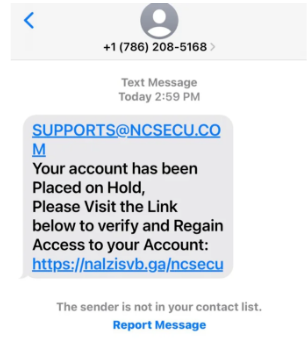
While scammers constantly change tactics, several warning signs remain consistent. Be cautious if:
- The caller asks for money
- You are threatened with arrest or legal trouble
- Payment is requested through gift cards or crypto
- You are asked to provide passwords or verification codes
- The caller refuses to verify their identity
- You hear a noisy call center in the background
- The message is pre-recorded or robotic
- The caller pressures you to act immediately
If any of these apply, you’re likely dealing with a 786 area code scam.
How to Protect Yourself From 786 Scam Calls
Fortunately, with a few simple habits, you can greatly reduce your risk.
1. Don’t Answer Unknown 786 Numbers
If the call is important, the caller will leave a message. Ignoring suspicious calls prevents scammers from confirming that your number is active.
2. Never Share Personal Information
Scammers often pretend to verify identities. No legitimate business will ask for:
- Social Security numbers
- PINs
- Online banking passwords
- Crypto wallet keys
If asked, hang up immediately.
3. Block and Report the Number
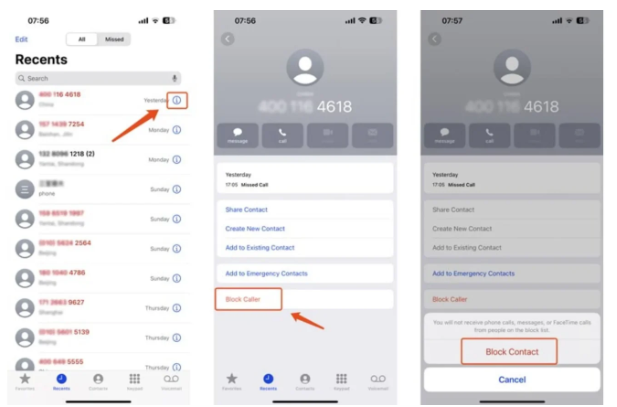
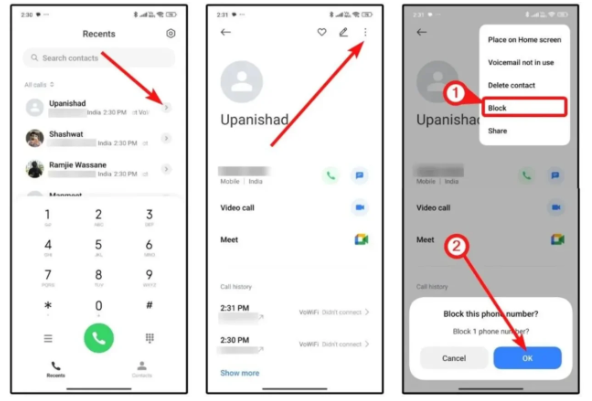
Use your phone’s block feature and report the number to:
- FTC
- FCC
- IdentityTheft.gov
- Your mobile carrier
Reporting helps flag future 786 scam calls for others.
4. Use a Call-Blocking App
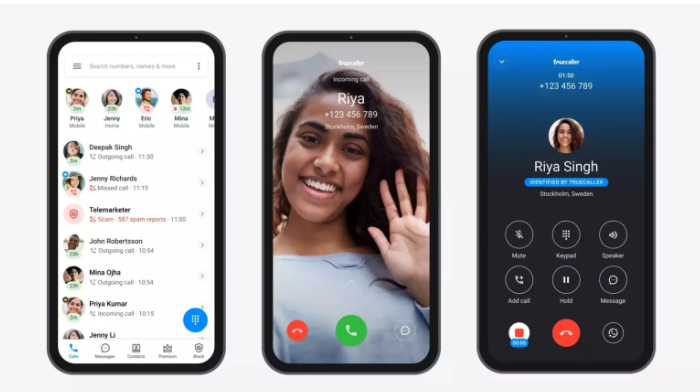
Apps like Truecaller, Nomorobo, and RoboKiller automatically block known scam calls and identify suspicious numbers using large databases.
5. Warn Family and Friends
Elderly individuals are especially vulnerable. Share information about area code 786 scam calls so they know what to avoid.
Are All 786 Calls Scams?
No. The 786 area code is real and widely used in Miami. Millions of legitimate calls originate from this area. The danger comes from scammers who misuse or spoof the number. If you regularly communicate with someone in Miami, their calls will be safe. The key is identifying unexpected or suspicious calls.
How PureVPN Can Protect You From Area Code 786 Scams
PureVPN adds an essential layer of privacy that can help protect you from Area Code 786 scams and other spoofed calls targeting your personal information. By masking your IP address and encrypting your online activity, PureVPN makes it significantly harder for scammers, data brokers, and malicious websites to track you, collect your data, or link your digital identity to your phone number.
With features like threat protection, secure browsing, and advanced anti-tracking tools, PureVPN reduces the chances of your information being harvested and used in scam campaigns.
Whether you’re browsing, shopping, or managing sensitive accounts online, PureVPN helps you stay anonymous, making it far less likely for scammers to target you through phishing attempts, robocalls, or spoofed numbers like those coming from the 786 area code.
FAQs
No. The 786 area code is legitimate and based in Miami. Scammers simply spoof this number to trick victims.
If it seems suspicious, do not answer. If you do answer, avoid sharing any information and hang up immediately.
Miami is a major city with high call volume, making it easy for scammers to blend in and appear local.
You can block the number, report it to the FTC, and use spam-blocking apps to reduce future calls.
Not at all. Only unexpected calls, threats, or financial requests should be treated as potential scams.
Immediately contact your bank, freeze your credit, and report the incident through IdentityTheft.gov.