
Trading crypto isn’t something you do casually on hotel Wi-Fi or public hotspots, not if you care about your money. Between phishing sites, exchange bans in certain regions, and data scraping tools watching every move, there’s a lot more to worry about than just price volatility.
That’s where a crypto VPN comes into play, giving you a stable, private way to access wallets, exchanges, and tools without exposing your activity or credentials.
However, not all VPNs are built for this. They’re designed for streaming or casual browsing and not for real-time trades, KYC-sensitive logins, or staying under the radar in restrictive environments. When you’re dealing with actual funds, the last thing you want is a VPN that leaks, lags, or randomly drops connection.
Why Crypto Traders Need a VPN + Password Manager Combo
When you’re trading crypto, your login credentials are just as valuable as the funds in your wallet. A single leaked password can expose your accounts to hackers, phishing scams, or unauthorized trades. That’s why protecting your activity with a VPN alone isn’t enough, you also need airtight control over your credentials.
PureVPN now offers a built-in Password Manager. While the VPN shields your trades from prying eyes, trackers, and region-based restrictions, the password manager secures the very keys to your accounts. It helps you create and store ultra-strong, unique passwords for every exchange, wallet, or trading platform, so you never risk reusing logins or relying on weak ones.
For traders who log in across multiple devices, this combo makes life simpler and safer. You get seamless, encrypted access to your accounts anywhere, without the stress of remembering dozens of credentials. Instead of juggling two separate tools, you get all-around digital protection in one solution.
10 Must-Have VPN Features for Crypto Traders
Not every VPN is cut out for crypto. These are the features that matter when you’re protecting funds, accessing blocked platforms, and trading without leaving a trail.
1-Audited No-Log Policy

When you’re trading crypto, you don’t want your connection history, IP address, or server usage stored anywhere, not even for a second. Some VPNs say they don’t keep logs, but unless that claim has been independently audited, it’s just marketing.
An audited no-log policy means that even if someone comes asking there’s nothing on file to hand over. For traders working across jurisdictions or using sensitive platforms, always check if the provider has gone through a third-party audit, and read the fine print while you’re at it.
2-Kill Switch
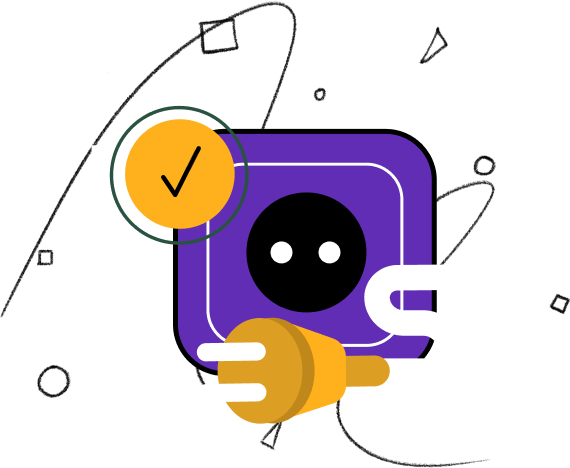
A dropped VPN connection might not seem like a big deal, until your real IP leaks in the middle of a trade. That split-second exposure can reveal your location, flag your account, or cut you off from a region-locked exchange altogether.
A kill switch shuts down your internet the moment your VPN disconnects, so nothing slips through unprotected. It’s a simple feature, but for traders who can’t afford exposure, especially in highly restricted regions, it’s non-negotiable.
3-DNS and IPv5 Leak Protection
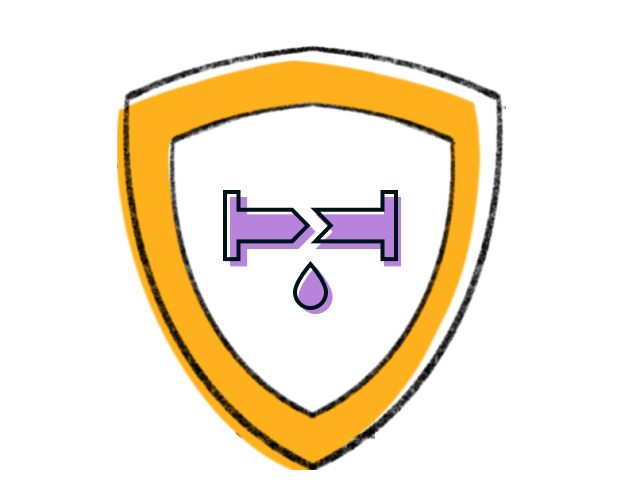
Even with a VPN on, your device can still reveal information if leaks aren’t properly blocked. DNS leaks expose the websites you’re visiting, while IPv6 leaks can reveal your actual IP, particularly if your VPN isn’t built to handle newer network protocols.
For crypto traders, that kind of exposure is dangerous, as it can compromise your privacy, trigger exchange restrictions, or make you visible to trackers. Choose a VPN that actively blocks both DNS and IPv6 leaks by default, not just in advanced settings buried deep in the app.
4-Modern VPN Protocols

Outdated VPN protocols slow you down and leave gaps in your security, which isn’t ideal when you’re placing time-sensitive trades or moving assets between wallets. Older options like PPTP or L2TP just can’t keep up with what today’s crypto traders need.
Look for providers that offer modern VPN protocols like WireGuard, OpenVPN, or IKEv2. They’re faster, more secure, and better equipped to handle unstable networks without dropping your connection or leaking data.
5-Static or Dedicated IP

Some exchanges get picky about shared IPs, especially if too many users are logging in from the same VPN server. A static or dedicated IP gives you a consistent address that’s tied to your account, reducing the chances of being flagged or blocked.
It also helps with smoother logins on KYC platforms and avoids annoying verification loops triggered by location changes. If you trade crypto regularly on strict platforms, a dedicated IP can save you time and headaches.
6-Obfuscated Servers

In some countries, VPN traffic gets detected and blocked, even before you reach a crypto exchange. Obfuscated servers disguise your VPN traffic to look like regular internet activity, helping you slip past firewalls and censorship.
If you’re trading from or traveling through a region with VPN restrictions, this feature is a must-have. It keeps your connection open and your activity under the radar, without tipping off networks that a VPN is even in use.
7-Quantum-Resistant Encryption
Quantum computing isn’t mainstream yet, but it’s coming, and when it does, old encryption methods could become vulnerable overnight. That’s a problem if you’re serious about long-term privacy or storing high-value assets.
Some VPNs are already testing or offering quantum-resistant encryption to stay ahead of that curve. It’s not a dealbreaker today, but if your provider is thinking about this now, it shows they’re planning for what’s next, not just what’s easy.
8-Fast and Stable Speeds
Lag isn’t just annoying—it can cost you trades, timing, or worse, access. Whether you’re executing market orders, monitoring live charts, or syncing data between wallets, delays and drops can throw everything off.
Consider a VPN that offers consistently fast speeds with low latency, not just on paper but in practice. Stability is just as important, one sudden disconnect in the middle of a session can leave you locked out or reacting too late.
9-Cross-Device Compatibility

Most traders don’t stick to one device. You might start on your laptop, check prices on your phone, and move funds from a tablet or cold wallet interface. Your VPN should work seamlessly across all of them without breaking your flow.
Select providers that support desktop, mobile, browser extensions, and even routers, with consistent performance and a clean user experience. Switching devices shouldn’t mean switching off your protection.
10- 24/7 Customer Support

When something breaks, it rarely happens at a convenient time, especially in crypto. Maybe you can’t access your exchange, or your connection drops during a trade. That’s when support actually matters.
Pick a VPN service with fast, around-the-clock help such as live chat or phone support. Bonus points if they understand the urgency of trading environments and don’t leave you stuck waiting for “business hours.”
Final Word
Trading crypto comes with enough risk. Your VPN shouldn’t be one of them. The right features can make the difference between staying connected and getting locked out, between flying under the radar and showing up on it. If you’re putting real money into the market, it’s worth putting real thought into the tools that protect it. Not all VPNs are built for this, but now you know what to look for.

PureVPN

August 6, 2025

8 months ago


