Access to independent news is something many people take for granted, until it disappears. Across the world, governments, ISPs, and even workplaces restrict access to news and media platforms. From international outlets like BBC and Al Jazeera to local investigative journalism sites, information is increasingly filtered.
So people still do not know if they can use a VPN to access blocked news sites or not? It depends on how the block is implemented, where you live, and which VPN you use. The guide covers how VPNs unblock news websites, countries known for blocking news and media and how to stay safe while accessing the region locked platforms.
Why Are News Websites Being Blocked in the First Place?
Before understanding how VPNs help, it’s important to know why news sites are blocked. Common reasons Governments block news are:
- Political instability or protests
- National security narratives
- Control over elections or public opinion
- Misinformation laws are used broadly
- Temporary internet shutdowns that become permanent
In many cases, blocking is selective; international media gets restricted while state-approved outlets remain accessible.
How a VPN Helps You Access Blocked News Sites
A VPN works by encrypting your internet traffic and routing it through a server in another location. This changes two critical things:
- Your IP address (appears as if you’re browsing from another country)
- Traffic visibility (ISPs and networks can’t see which sites you’re visiting)
So when a country blocks a news site locally, connecting to a VPN server abroad often restores access.
For Example
- Your country blocks access to BBC News
- You connect to a VPN server in Germany or Canada
- BBC sees a foreign IP and loads normally
This is why VPNs are widely discussed as the most reliable tools to bypass censorship, not just for streaming.
Countries Known for Blocking News and Media Access
Around the world, access to news isn’t always guaranteed. Governments increasingly restrict international media, independent journalism, and digital news platforms to control narratives during political, social, or security crises.
- China: The Great Firewall & Media Blackouts
China is one of the most well-known examples of systematic news censorship.
What’s Blocked
- BBC
- The New York Times
- Reuters
- The Guardian
- Wikipedia (partial)
Chinese authorities openly justify censorship under national security and social stability laws. Government statements on Xinhua and official ministry briefings regularly reinforce this stance.
Conversations often focus on which VPNs still work, why obfuscated servers are vital for bypassing deep censorship, and how connections can suddenly fail when major political events are approaching, and even popular VPNs can struggle in strict environments.

Iran: Blocking Independent & Foreign Media
Iran regularly restricts access to both international and domestic independent news platforms.
What’s Blocked
- BBC Persian
- Radio Farda
- Voice of America (VOA)
- Social platforms hosting news content
During protests, Iranian officials have publicly stated (via government spokesperson tweets and press conferences) that restrictions are imposed to maintain order.
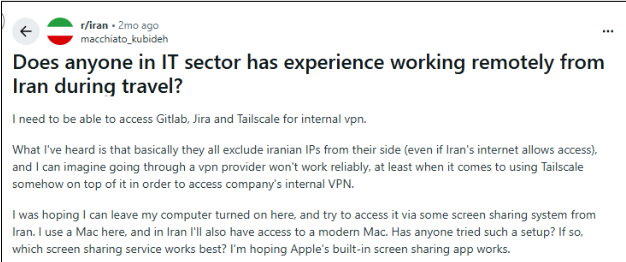
- VPN usage spikes during protests
- Mobile VPN connections are often throttled
- WireGuard and obfuscation help bypass DPI (Deep Packet Inspection)
Russia: Blocking Western Media Outlets
Since geopolitical conflicts escalated, Russia has aggressively restricted news access.
Blocked or Restricted
- BBC
- Deutsche Welle
- Meduza
- Radio Free Europe
Russian regulators (Roskomnadzor) publicly announced bans through official channels and government websites, accusing outlets of false information. Users recommend VPNs with European servers. Many note that ISP-level DNS blocking is common and split tunneling helps access local services while reading foreign news.
Pakistan: VPNs and News Restrictions
Pakistan has periodically blocked:
- YouTube news channels
- International coverage during political unrest
- Select websites during protests
Telecommunication authorities have issued notices stating that unregistered VPNs may be restricted. After that, journalists rely on VPNs to access foreign reporting, report inconsistent enforcement and DNS-based blocks which are easily bypassed with VPNs.
Turkey: Social Media & News Controls
Turkey has a history of temporarily blocking news platforms during emergencies.
What Gets Restricted
- Twitter/X (news sharing)
- Independent journalism sites
- Wikipedia (previously blocked for years)
Officials often announce restrictions via official Twitter/X accounts, calling them temporary measures.
People in Turkey report that VPN usage spikes during election periods, reflecting efforts to access unrestricted news and social media. Mobile data networks often face stricter blocks than broadband connections, making VPNs essential for uninterrupted access. Connecting through foreign servers usually restores access quickly, bypasses local restrictions, and keeps you informed.
Is It Legal to Use a VPN to Access News?
The legality of using a VPN depends entirely on where you are. In countries like the US, UK, Canada, Australia, and EU members, using a VPN to access news is perfectly legal and widely accepted.
Millions of users, including journalists and researchers, rely on VPNs to bypass region blocks, access foreign reporting, or simply protect their online privacy. In fact, a 2025 survey by Statista found that over 31% of internet users in the US use a VPN regularly, often for news and media access.
The story is very different in countries like China, Iran, Russia, and the UAE. Here, VPNs are either heavily regulated or require government approval. Authorities monitor internet traffic closely, and unofficial VPN use can carry penalties.
In China, for example, the government blocks most foreign news sites and routinely restricts unapproved VPNs, while in Russia, Roskomnadzor actively monitors VPN traffic to enforce media bans.
Even in legal regions, it’s important to remember that a VPN doesn’t make illegal activities legal, but simply reading blocked news isn’t a crime. For users in restrictive regions, choosing a reputable VPN such as PureVPN, using obfuscated servers, and following local laws can help you stay updated about the news trends safely and securely.
VPN Use for Accessing Blocked News: Country-by-Country Overview (2026)
| Country | Examples of Blocked News & Media | VPN Legal Status |
| China | BBC, NY Times, Reuters, The Guardian, Wikipedia (partial) | Restricted (state-approved only) |
| Iran | BBC Persian, Radio Farda, VOA | Restricted |
| Russia | BBC, Deutsche Welle, Meduza, RFE/RL | Legal but regulated |
| Turkey | Independent news sites, Twitter/X (temporary), Wikipedia (previously) | Legal but monitored |
| Pakistan | International news portals, YouTube news channels (intermittent) | Legal but unregistered VPNs targeted |
| UAE | VoIP-based news streams, select media platforms | Legal with restrictions |
| Egypt | Al Jazeera, independent journalism sites | Restricted |
| India | Selected news portals during unrest | Legal but logging laws apply |
| United Kingdom | No direct bans, but age-gated news & content | Legal |
| United States | Rare (network or workplace-level blocks only) | Legal |
| European Union | Russia Today (RT), Sputnik (EU-wide ban) | Legal |
Which VPN Helps in Accessing News Seamlessly
When it comes to bypassing censorship or accessing blocked news sites, not all VPNs perform the same. Basic VPNs may work for simple geo-blocks, but restrictive environments require stronger privacy and anti-censorship capabilities.
Features That Actually Make a Difference
- Strong encryption (AES-256)
- No-logs policy
- Obfuscated servers
- Large server network
- Reliable kill switch
Security-focused VPNs like PureVPN are designed with these scenarios in mind, specifically for those who care about privacy, safety, and unrestricted access rather than just entertainment.
Best Practices for Using a VPN to Access News Safely
Using a VPN is one thing, using it correctly is what actually protects your privacy and keeps access consistent. In regions where news sites are blocked or monitored, small configuration choices can make a big difference. Following these best practices would definitely help:
1. Choose the Right Server Location
Connect to countries with strong press freedom and minimal censorship, as these regions are less likely to restrict access to international news outlets.
2. Avoid Free VPNs
Free VPN services often log user activity, inject ads, or sell data, which defeats the purpose of private and secure news access.
3. Enable a Kill Switch
A kill switch prevents accidental IP leaks by cutting your internet connection instantly if the VPN drops.
4. Use Private DNS
Private DNS helps bypass ISP-level DNS filtering, a common method used to block news websites.
5. Stay Updated
Censorship methods constantly evolve. Keeping your VPN app updated ensures you benefit from the latest anti-blocking and security improvements.
Wrap Up
You can use a VPN to access blocked news sites, and for millions of people worldwide, it’s not a luxury but a necessity. As governments tighten control over information, VPNs remain one of the most practical ways for accessing global journalism, independent reporting, and alternative viewpoints.
If your goal is staying informed without compromising privacy, try PureVPN today!
Frequently Asked Questions
Not always. Advanced firewalls can block weak VPNs, but premium services usually provide a seamless connection.
Yes, but they can’t see what sites you visit.
VPNs are a basic layer of protection, often combined with secure browsers and encrypted messaging. Many journalists around the world choose VPNs to stay anonymous.
In some countries, VPN usage is monitored, but PureVPN doesn’t log activity even to itself and offers advanced obfuscation that helps you stay anonymous.